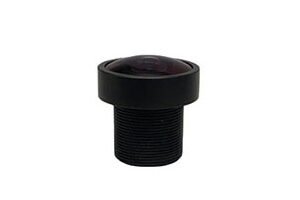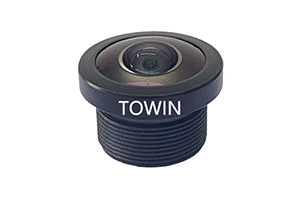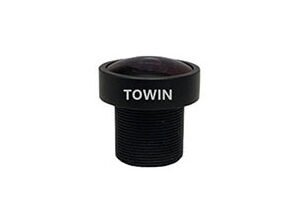


When it comes to capturing ultra-wide-angle views with minimal distortion, the Fisheye Lens stands as a game-changer in photography, videography, and industrial imaging. Whether you’re a professional filmmaker, a drone enthusiast, or a security system installer, choosing the right High-Quality Fisheye Lens Supplier can make or break your project.
Why a High-Quality Fisheye Lens Supplier Matters
A Fisheye Lens isn’t just another camera accessory—it’s a specialized tool designed to capture 180-degree or even 220-degree fields of view. Unlike standard wide-angle lenses, Fisheye Lenses produce a distinctive hemispherical distortion, creating dramatic, immersive visuals. Applications range from action sports cinematography to 360-degree virtual tours and surveillance systems.
However, not all Fisheye Lenses are created equal. Low-quality lenses may suffer from chromatic aberration, soft edges, or inconsistent focal lengths, compromising your results. This is where a High-Quality Fisheye Lens Supplier shines. By partnering with a reputable supplier, you gain access to:
- Precision-engineered optics for sharp, distortion-free images.
- Durable materials resistant to scratches, moisture, and temperature fluctuations.
- Customization options tailored to your specific needs (e.g., focal length, mount type).
- Reliable warranties and technical support to troubleshoot issues promptly.
Key Traits of a Top-Tier Fisheye Lens Supplier
1. Optical Excellence
The hallmark of a High-Quality Fisheye Lens Supplier is uncompromising optical performance. Look for suppliers that use multi-coated glass elements to reduce glare and enhance contrast. Advanced aspherical designs minimize spherical aberration, ensuring edge-to-edge sharpness. For instance, brands like Canon and Nikon are renowned for their Fisheye Lens precision, though third-party suppliers like Rokinon also offer competitive options.
2. Build Quality and Durability
A Fisheye Lens often faces harsh conditions, from outdoor shoots to industrial environments. A reliable supplier prioritizes rugged construction, using materials like aluminum alloys or magnesium for lightweight yet sturdy frames. Sealed designs prevent dust and moisture ingress, extending the lens’s lifespan.
3. Customization and Compatibility
No two projects are identical. A High-Quality Fisheye Lens Supplier should offer lenses compatible with various camera systems (e.g., DSLR, mirrorless, C-mount) and customizable features like adjustable aperture rings or interchangeable mounts.
4. Transparent Pricing and Value
While premium Fisheye Lenses command higher prices, a trustworthy supplier balances cost with quality. Beware of overly cheap options, as they may cut corners on materials or calibration. Instead, seek suppliers with transparent pricing models and bulk discounts for professional users.
5. Exceptional Customer Support
Even the best lenses can encounter issues. A top supplier provides responsive technical support, including calibration services, repair options, and firmware updates for smart lenses.
FAQs
1. What is the average price range for a high-quality Fisheye Lens?
Prices vary based on brand, features, and mount type. Entry-level Fisheye Lenses start at200–500, while professional-grade models from brands like Zeiss or Sigma can exceed $1,500.
2. Can a Fisheye Lens be used for professional filmmaking?
Absolutely! Many Hollywood films and commercials use Fisheye Lenses for dynamic establishing shots or surreal visual effects. However, post-production correction may be needed to manage distortion.
3. How do I clean a Fisheye Lens without damaging it?
Use a microfiber cloth and lens-cleaning solution. Avoid abrasive materials or excessive pressure. Some suppliers offer specialized cleaning kits.
4. What is the difference between circular and full-frame Fisheye Lenses?
Circular Fisheye Lenses produce a distinct circular image with black borders, while full-frame Fisheye Lenses fill the entire frame with a warped perspective. Choose based on your creative needs.
5. Can a Fisheye Lens be used for macro photography?
No, Fisheye Lenses are designed for ultra-wide angles. For macro shots, opt for a dedicated macro lens or extension tubes.
Final Thoughts
Investing in a Fisheye Lens is a commitment to creativity and precision. By partnering with a High-Quality Fisheye Lens Supplier, you ensure your projects stand out with breathtaking visuals and reliable performance. Prioritize optical clarity, durability, and customer support to make an informed decision.