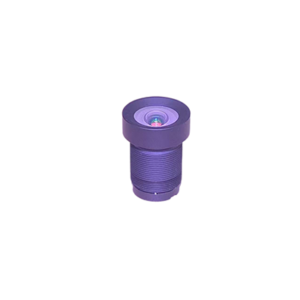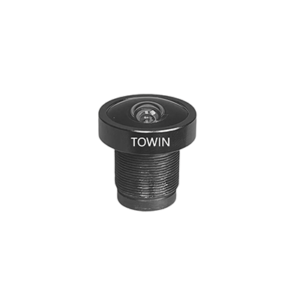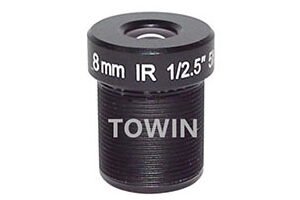


Cine lenses with T-stop aperture ratings are revolutionizing the way filmmakers capture light, color, and motion. Unlike traditional photography lenses that use F-stops (focal ratio), Cine lenses with T-stop aperture ratings provide a precise measurement of the actual amount of light transmitted through the lens.
Why T-Stops Matter in Cine Lenses
The term “T-stop” (Transmission stop) accounts for light loss caused by the lens’s internal elements, such as glass coatings and mechanical designs. While F-stops theoretically indicate the aperture size, T-stops reflect real-world light transmission. For example, a lens marked as T2.0 will deliver exactly two stops of light, ensuring predictable exposure even when switching lenses or adjusting settings mid-shoot.
Cine lenses with T-stop aperture ratings are engineered for filmmakers who prioritize technical precision. A T2.8 lens, for instance, guarantees uniform brightness across multiple takes, reducing post-production corrections. This reliability is invaluable for narrative films, commercials, and documentaries where consistency is non-negotiable.
Key Advantages of Cine Lenses with T-Stop Aperture Ratings
- Consistent Exposure: T-stops eliminate guesswork by providing accurate light transmission data. This is especially useful in multi-camera setups or when matching shots across different lenses.
- Enhanced Image Quality: By minimizing light loss, Cine lenses with T-stop aperture ratings preserve sharpness, contrast, and color fidelity, even in low-light conditions.
- Professional Workflow: Cinematographers can rely on T-stops to maintain exposure continuity, streamlining editing and color grading processes.
- Durability and Build: Cine lenses are designed for heavy use, with robust metal housings, smooth focus rings, and standardized gearing for follow-focus systems.
- Creative Flexibility: T-stops allow filmmakers to experiment with depth of field and motion blur without sacrificing exposure accuracy.
FAQs
1. What is the difference between T-stop and F-stop?
F-stop measures the theoretical aperture size, while T-stop accounts for actual light transmission. T-stops are more accurate for filmmaking.
2. Are Cine lenses with T-stop aperture ratings worth the investment?
Absolutely! They ensure consistent exposure, reduce post-production work, and elevate production value.
3. Can I use T-stop lenses on my DSLR or mirrorless camera?
Yes, but you may need an adapter. However, dedicated cine cameras like the ARRI Alexa or RED Komodo optimize T-stop performance.
4. Do T-stop lenses affect depth of field?
No. Depth of field depends on aperture size (F-stop), but T-stops ensure the exposure remains consistent regardless of lens design.
Final Thoughts
Cine lenses with T-stop aperture ratings are a game-changer for filmmakers seeking professional-grade results. By prioritizing light transmission accuracy, these lenses empower creators to focus on storytelling rather than technical limitations. Whether you’re shooting a blockbuster or an indie short, investing in Cine lenses with T-stop aperture ratings is a step toward cinematic excellence.