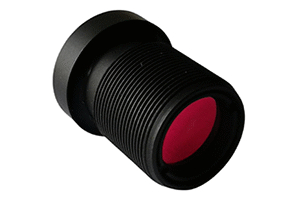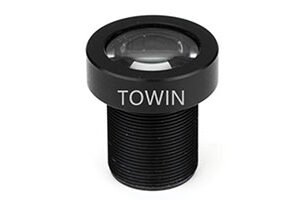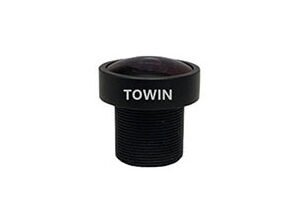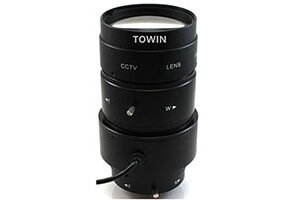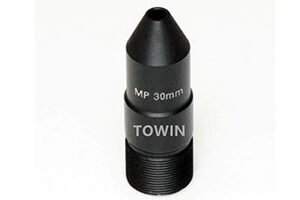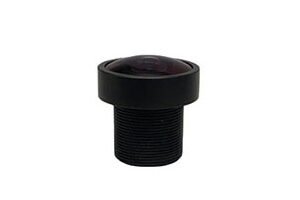


In the world of machine vision, surveillance, and industrial imaging, S-Mount Lenses with Manual Iris Control stand out as a versatile and cost-effective solution. These lenses combine the compact design of S-Mount (M12) threading with the precision of manual iris adjustment, offering photographers and engineers unparalleled control over light intake.
Why Choose S-Mount Lenses with Manual Iris Control?
1. Precision Light Control
Manual iris adjustment allows users to fine-tune the aperture, regulating the amount of light entering the lens. Unlike auto-iris lenses, which rely on electronic sensors, manual iris lenses provide consistent performance in static lighting conditions, reducing the risk of flicker or lag. This makes S-Mount Lenses with Manual Iris Control ideal for applications like quality inspection, where lighting stability is paramount.
2. Cost-Effective Flexibility
S-Mount lenses are renowned for their affordability and compact size. By integrating manual iris control, manufacturers eliminate the need for complex electronic components, keeping costs low without sacrificing functionality. This makes them a popular choice for budget-conscious projects, from DIY robotics to small-scale security systems.
3. Durability in Harsh Environments
Manual iris mechanisms are less prone to wear and tear compared to electronic counterparts. Without sensitive circuitry, S-Mount Lenses with Manual Iris Control can withstand vibrations, dust, and temperature fluctuations, making them suitable for outdoor surveillance or industrial automation.
4. Compatibility with Diverse Sensors
S-Mount lenses are designed to pair seamlessly with CMOS and CCD image sensors, common in embedded vision systems. The manual iris feature ensures compatibility across varying sensor sensitivities, allowing users to optimize image clarity regardless of the camera’s specifications.
5. Enhanced Depth of Field Control
Adjusting the iris manually enables photographers to influence depth of field, a critical factor in applications like barcode scanning or 3D modeling. A narrower aperture (smaller iris) increases depth of field, ensuring sharp focus across the entire frame.
Applications of S-Mount Lenses with Manual Iris Control
- Machine Vision Systems: Used in factory automation for part inspection and defect detection.
- Surveillance Cameras: Ideal for fixed-light environments like warehouses or parking lots.
- Medical Devices: Supports endoscopy and microscopic imaging with precise light management.
- Aerospace & Defense: Withstands extreme conditions in drone cameras or satellite imaging.
FAQs
1. What is the main advantage of manual iris over auto-iris?
Manual iris lenses offer consistent performance in static lighting, avoiding the delays or inaccuracies of electronic sensors.
2. Can S-Mount lenses with manual iris be used outdoors?
Yes! Their durable design makes them resistant to environmental factors like dust and temperature swings.
3. How do I adjust the iris on an S-Mount lens?
Most manual iris lenses feature a threaded ring near the front element. Rotate it clockwise to narrow the aperture (reduce light) or counterclockwise to widen it.
4. Are S-Mount lenses compatible with all cameras?
They work best with cameras using M12 mounts and sensors up to 1/2.3”. Always verify compatibility with your device’s specifications.
5. What is the typical price range for S-Mount lenses with manual iris?
Prices vary based on focal length and quality, but budget models start at 20–50, while premium options may exceed $100.
Conclusion
S-Mount Lenses with Manual Iris Control empower users with precision, affordability, and reliability. Whether you’re a hobbyist or a professional, these lenses offer a robust solution for applications demanding consistent light management.