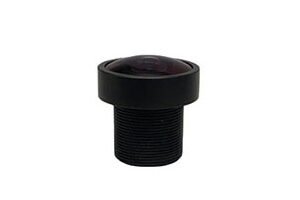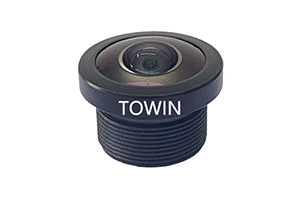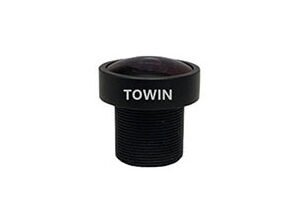


Photography enthusiasts seeking to push creative boundaries often turn to specialized lenses. Among these, the Fisheye Lens with Ultra-Wide Angle stands out as a game-changer, offering unparalleled perspectives and dramatic visual effects. Whether capturing landscapes, architecture, or action sports, this lens type delivers a unique blend of distortion and expansive field of view.
What Is a Fisheye Lens with Ultra-Wide Angle?
A Fisheye Lens with Ultra-Wide Angle is a specialized optical tool designed to capture an extremely wide field of view—often exceeding 180 degrees. Unlike standard wide-angle lenses, fisheye lenses produce intentional barrel distortion, curving straight lines into dramatic arcs. This effect creates a surreal, immersive quality that’s instantly recognizable.
There are two primary types of fisheye lenses:
- Circular Fisheye: Projects a circular image within the frame, leaving black corners.
- Full-Frame Fisheye: Fills the entire frame with a distorted, wide-angle view.
- The Fisheye Lens with Ultra-Wide Angle excels in scenarios where conventional lenses fall short, such as tight indoor spaces, astrophotography, or creative portraiture.
Key Features of a Fisheye Lens with Ultra-Wide Angle
- Extreme Field of View: Captures expansive scenes in a single shot, ideal for landscapes or crowded events.
- Distinctive Distortion: Creates a spherical, warped effect that adds artistic flair.
- Compact Design: Many fisheye lenses are lightweight and portable, despite their wide coverage.
- Close Focusing: Allows shooting subjects inches from the lens, perfect for macro-style effects.
- Low Light Performance: Some models feature wide apertures (e.g., f/2.8) for better low-light shooting.
Why Use a Fisheye Lens with Ultra-Wide Angle?
- Creative Freedom: Transform mundane scenes into abstract masterpieces.
- Immersive Storytelling: Engage viewers with a sense of “being there.”
- Versatility: From architecture to underwater photography, this lens adapts to diverse genres.
- Compact Alternative: Avoid carrying multiple lenses by relying on one for wide shots.
For example, a photographer shooting a music festival could use a Fisheye Lens with Ultra-Wide Angle to capture the energy of the crowd and stage in a single, dynamic frame.
How to Use a Fisheye Lens with Ultra-Wide Angle Effectively
- Mind the Horizon: Keep the camera level to avoid unintentional tilting.
- Embrace Distortion: Use curved lines to emphasize motion or depth.
- Get Close: Fill the frame with subjects for maximum impact.
- Post-Processing: Correct minor distortions or enhance effects using software like Adobe Lightroom.
Pro Tip: Pair your Fisheye Lens with Ultra-Wide Angle with a tripod for sharp, steady shots in low light.
FAQs
What is the difference between a fisheye and a regular wide-angle lens?
A fisheye lens intentionally distorts images for artistic effect, while a wide-angle lens minimizes distortion to maintain straight lines.
Can I use a fisheye lens for portraits?
Yes! Position the subject close to the center to minimize distortion and create a unique, engaging portrait.
Are fisheye lenses compatible with all cameras?
Most fisheye lenses are designed for DSLRs or mirrorless systems. Check compatibility with your camera mount.
How do I avoid vignetting with a fisheye lens?
Stop down the aperture (e.g., f/8 or higher) and ensure proper lens hood alignment.
What’s the best aperture for fisheye photography?
Start with f/5.6–f/8 for balance between sharpness and depth of field. Use wider apertures (f/2.8) in low light.
Conclusion
The Fisheye Lens with Ultra-Wide Angle is a powerful tool for photographers seeking to break free from conventional compositions. Its ability to capture extreme perspectives, combined with creative distortion, opens doors to experimental and immersive storytelling. Whether you’re a hobbyist or a pro, investing in a Fisheye Lens with Ultra-Wide Angle can transform your visual approach.