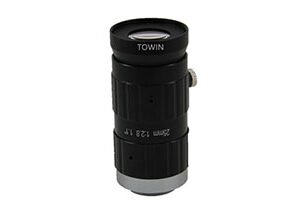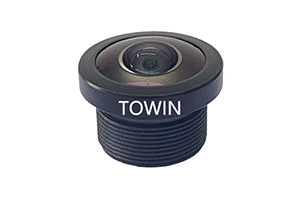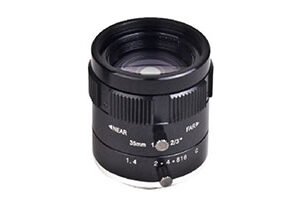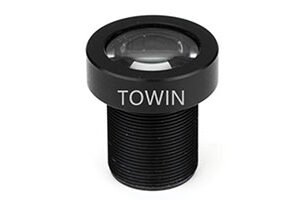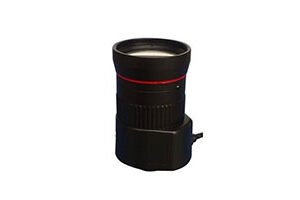


The world of industrial manufacturing demands unparalleled accuracy, efficiency, and durability. Among the critical tools driving this progress is the Metal Surface Inspection Lens, a specialized Industrial Lens designed to detect flaws, measure textures, and ensure quality in metal production. As industries shift toward automation and AI-driven quality control, this lens has emerged as a game-changer.
What Is a Metal Surface Inspection Lens?
A Metal Surface Inspection Lens is a high-precision Industrial Lens engineered to analyze metallic surfaces at microscopic levels. Unlike standard lenses, it integrates advanced optics and coatings to enhance contrast, reduce glare, and capture minute defects such as scratches, cracks, or uneven textures. These lenses are often paired with machine vision systems, enabling real-time inspection in industries like automotive, aerospace, and electronics.
Why It Matters: Metal surfaces are prone to imperfections during manufacturing. A single undetected flaw can compromise product performance, leading to costly recalls or safety hazards. The Metal Surface Inspection Lens addresses this by providing rapid, non-destructive evaluation, ensuring compliance with stringent quality standards.
Key Features of the Metal Surface Inspection Lens
- 1. High-Resolution Imaging: Captures details as small as 1 micron, ideal for detecting subsurface defects.
- 2. Anti-Reflective Coatings: Minimizes light interference, enhancing clarity in bright industrial environments.
- 3. Wide Field of View: Enables inspection of large metal sheets or components without repositioning.
- 4. Durability: Built to withstand harsh conditions, including dust, vibrations, and temperature fluctuations.
- 5. Compatibility: Works seamlessly with AI-powered software for automated defect classification.
For example, a leading automotive manufacturer reduced defect rates by 40% after integrating Metal Surface Inspection Lenses into their production line. By identifying issues early, they avoided expensive rework and improved customer trust.
How Does the Metal Surface Inspection Lens Work?
The lens operates by projecting structured light onto a metal surface. The reflected patterns are analyzed by a camera or sensor, which detects deviations from the expected texture. Machine learning algorithms then classify these deviations as defects or acceptable variations.
Step-by-Step Process:
- Illumination: LED or laser light sources highlight surface features.
- Image Capture: The Industrial Lens captures high-definition images.
- Data Processing: Software compares images against predefined quality thresholds.
- Output: Results are displayed in real-time, triggering alerts for defective parts.
This method is 10x faster than manual inspection, with accuracy rates exceeding 99%.
Applications Across Industries
The versatility of the Metal Surface Inspection Lens makes it valuable in multiple sectors:
- Automotive: Inspects engine blocks, chassis, and exhaust systems for cracks or corrosion.
- Aerospace: Evaluates turbine blades and fuselage panels for micro-fractures.
- Electronics: Checks printed circuit boards (PCBs) for soldering defects.
- Construction: Analyzes steel beams for structural integrity.
Choosing the Right Metal Surface Inspection Lens
Selecting the ideal Industrial Lens depends on your specific needs:
- Resolution: Opt for ultra-high-definition lenses if detecting micro-scratches is critical.
- Lighting Compatibility: Ensure the lens works with your existing illumination setup.
- Environmental Resistance: Choose ruggedized models for dusty or humid factories.
- Software Integration: Verify compatibility with your quality control software.
FAQs
1. What makes a Metal Surface Inspection Lens different from a regular Industrial Lens?
A Metal Surface Inspection Lens is optimized for metallic surfaces, featuring specialized coatings and higher magnification to detect flaws invisible to the naked eye.
2. Can these lenses inspect non-metal surfaces?
While designed for metals, some models can analyze plastics or composites with adjusted lighting and software settings.
3. How often should the lens be calibrated?
Calibration frequency depends on usage, but most manufacturers recommend monthly checks to maintain accuracy.
4. Are Metal Surface Inspection Lenses expensive?
Prices vary based on specifications, but the ROI from reduced waste and improved quality often justifies the investment.
5. Can AI improve inspection accuracy?
Absolutely! AI algorithms enhance defect detection by learning from vast datasets, reducing false positives and negatives.
The Future of Metal Surface Inspection
Advancements in AI and robotics are set to revolutionize this field. Future lenses may incorporate 3D imaging, hyperspectral analysis, and even self-cleaning mechanisms to adapt to extreme environments. As industries prioritize sustainability, the Metal Surface Inspection Lens will play a vital role in minimizing material waste and energy consumption.
Conclusion
In an era where precision is non-negotiable, the Metal Surface Inspection Lens stands out as a critical tool for Industrial Lens applications. Its ability to detect defects early, streamline production, and integrate with smart factories makes it a wise investment for businesses aiming to stay competitive.