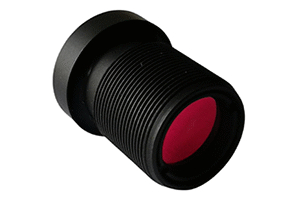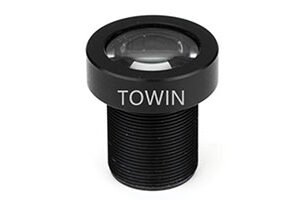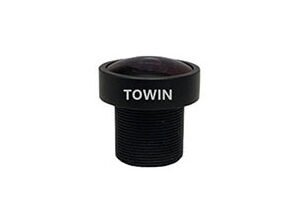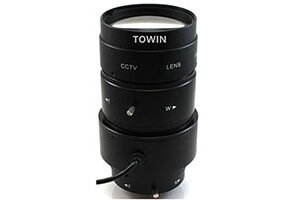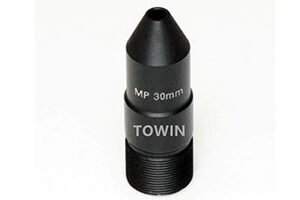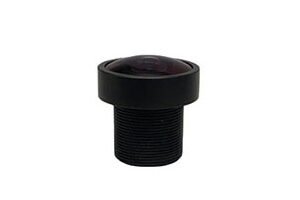


Biomedical imaging is a cornerstone of modern medicine, enabling clinicians and researchers to visualize cellular structures, diagnose diseases, and monitor treatment efficacy. Among the tools driving this innovation, S-Mount Lenses for Biomedical Imaging stand out for their compact size, versatility, and exceptional optical performance.
Why S-Mount Lenses for Biomedical Imaging Are a Game-Changer
S-Mount lenses, named for their threaded S-shaped housing, are engineered to meet the stringent demands of biomedical applications. Their compact design allows seamless integration into portable devices, while their advanced coatings minimize light loss and distortion. Here’s why they’re revolutionizing the field:
High-Resolution Imaging in Compact Form Factors
Biomedical imaging often requires magnification without sacrificing image quality. S-Mount Lenses for Biomedical Imaging achieve this by combining aspherical elements and multi-layer coatings to reduce aberrations. For example, a 20x S-Mount lens can capture detailed cellular structures in endoscopic procedures, enabling real-time diagnostics.
1. Versatility Across Imaging Modalities
From fluorescence microscopy to OCT (Optical Coherence Tomography), S-Mount Lenses adapt to diverse imaging techniques. Their compatibility with CMOS and CCD sensors ensures compatibility with modern imaging systems, making them ideal for both research and clinical settings.
2. Cost-Effective Scalability
Traditional lenses for biomedical imaging can be prohibitively expensive. S-Mount Lenses offer a cost-efficient alternative without compromising performance. Their modular design allows manufacturers to scale production for high-volume applications like point-of-care diagnostics.
3. Durability in Harsh Environments
Biomedical devices must withstand sterilization, humidity, and temperature fluctuations. S-Mount Lenses are built with rugged materials like stainless steel and sapphire windows, ensuring longevity even in demanding conditions.
4. Enhanced Field of View (FOV)
Wide-angle S-Mount Lenses expand the observable area, reducing the need for multiple lenses or device repositioning. This is critical in applications like surgical navigation, where real-time, panoramic views improve procedural accuracy.
Applications of S-Mount Lenses in Biomedical Imaging
The adaptability of S-Mount Lenses for Biomedical Imaging has led to their adoption across multiple fields:
- Endoscopy: Miniaturized lenses enable high-definition imaging in minimally invasive procedures, such as colonoscopies and arthroscopy.
- Microscopy: Researchers use S-Mount Lenses to study cellular dynamics in lab-on-a-chip devices, reducing sample preparation time.
- Ophthalmology: Retinal scanners leverage S-Mount optics to detect early signs of diseases like glaucoma and diabetic retinopathy.
- Dentistry: Intraoral cameras with S-Mount Lenses provide detailed images of teeth and gums, aiding in diagnosis and treatment planning.
- Wearable Health Tech: Smart patches and implants incorporate S-Mount Lenses to monitor biomarkers non-invasively.
How to Choose the Right S-Mount Lens for Your Application
Selecting the optimal S-Mount Lens for Biomedical Imaging involves evaluating several parameters:
- Focal Length: Shorter focal lengths (e.g., 2–10 mm) suit confined spaces like endoscopes, while longer focal lengths (15–50 mm) are ideal for macro imaging.
- Numerical Aperture (NA): A higher NA (e.g., 0.25–0.5) improves light collection, enhancing image brightness and contrast.
- Working Distance: Ensure the lens fits within your device’s physical constraints without compromising image quality.
- Coating Type: Anti-reflective coatings reduce glare, while fluorescence filters enhance signal-to-noise ratios in specialized applications.
For a deeper dive into technical specifications, visit Thorlabs’ S-Mount Lens Selection Guide, a trusted resource for biomedical optics.
FAQs
1. What makes S-Mount Lenses different from standard lenses?
S-Mount Lenses are distinguished by their threaded housing, which simplifies integration into mechanical systems. Their compact size and standardized mounting interface make them preferable for space-constrained biomedical devices.
2. Can S-Mount Lenses be used with any imaging sensor?
Yes, but compatibility depends on the sensor’s pixel size and active area. S-Mount Lenses are designed to match common sensor formats (e.g., 1/3”, 1/2”), ensuring optimal image circle coverage.
3. Are S-Mount Lenses suitable for high-speed imaging?
Absolutely. Their lightweight design minimizes vibration, making them ideal for applications like flow cytometry or high-speed microscopy, where motion blur must be avoided.
4. How do S-Mount Lenses handle autofluorescence in tissue samples?
Many S-Mount Lenses feature specialized coatings to suppress autofluorescence, improving signal clarity in fluorescence microscopy. For critical applications, opt for lenses with blackened barrels to reduce stray light.
5. What is the typical lifespan of an S-Mount Lens?
With proper care, S-Mount Lenses can last decades. Factors like environmental exposure and cleaning frequency influence longevity. Always follow manufacturer guidelines for maintenance.
6. The Future of S-Mount Lenses in Biomedicine
As biomedical imaging evolves, S-Mount Lenses are poised to play an even larger role. Innovations like liquid lenses (which adjust focus electronically) and AI-driven image enhancement will further expand their capabilities. Researchers are also exploring biocompatible coatings to reduce immune responses in implantable devices.
Conclusion
S-Mount Lenses for Biomedical Imaging represent a fusion of precision engineering and medical necessity. Their ability to deliver high-resolution images in compact, durable packages makes them indispensable in diagnostics, research, and therapy.