

Industrial automation relies heavily on advanced imaging systems to ensure precision, speed, and reliability in manufacturing, quality control, and robotics. Two critical components in these systems are fixed focus lenses and liquid lenses. While both serve to optimize image clarity, they differ significantly in design, performance, and cost.
Fixed Focus Lenses vs. Liquid Lenses: Core Differences
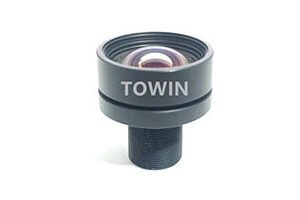
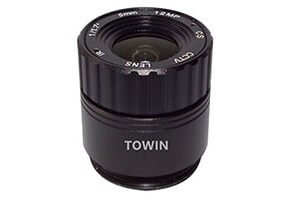
Fixed focus lenses are engineered with a stationary optical design, where the focal length is permanently set during manufacturing. This rigidity ensures consistent image quality across varying distances, making them ideal for applications requiring unwavering precision. In contrast, liquid lenses use electrowetting or fluid deformation to adjust focus dynamically, offering flexibility but at the cost of stability.
1. Performance and Stability
Fixed focus lenses excel in environments where vibration, temperature fluctuations, or rapid movement are common. Their rigid structure minimizes focal drift, ensuring accurate measurements in sectors like automotive assembly, semiconductor inspection, and pharmaceutical packaging. Liquid lenses, while adaptable, may struggle with consistency under dynamic conditions, leading to potential errors in critical processes.
2. Cost and Maintenance
Fixed focus lenses are typically more affordable upfront and require minimal maintenance. Their lack of moving parts reduces wear and tear, extending their lifespan. Liquid lenses, however, involve complex fluid systems that demand regular calibration and are prone to leaks or contamination, increasing long-term costs.
3. Speed and Latency
Liquid lenses boast rapid focus adjustment, making them suitable for applications like barcode scanning or 3D reconstruction. However, this speed often comes with latency issues, as the fluid response time can lag under high-speed automation. Fixed focus lenses eliminate this delay, ensuring instantaneous clarity for tasks like robotic vision guidance.
4. Environmental Resistance
Fixed focus lenses are inherently robust, withstanding dust, moisture, and extreme temperatures. Liquid lenses, with their fluid-based mechanism, are vulnerable to environmental contaminants and require hermetic sealing, complicating their use in harsh industrial settings.
5. Integration and Scalability
Fixed focus lenses are easier to integrate into existing systems due to their plug-and-play nature. Their compatibility with standard C-mount or CS-mount interfaces simplifies upgrades. Liquid lenses, while innovative, often require custom hardware and software adjustments, limiting scalability for small-to-medium enterprises.
Why Fixed Focus Lenses Dominate Industrial Automation
Despite the technological allure of liquid lenses, fixed focus lenses remain the preferred choice for industrial automation due to their reliability, cost-effectiveness, and low maintenance. For instance, in automotive quality control, where defects must be detected at sub-millimeter levels, fixed focus lenses provide the stability needed to avoid costly recalls.
Fixed Focus Lenses vs. Liquid Lenses: When to Choose Each?
While fixed focus lenses dominate, liquid lenses have niche applications:
- Dynamic focus needs: Liquid lenses shine in scenarios requiring rapid focus changes, such as drone-based inspection or augmented reality.
- Compact designs: Their ability to adjust focus without mechanical movement suits space-constrained devices like endoscopes.
However, for most industrial automation tasks—where stability, durability, and cost are paramount—fixed focus lenses offer an irreplaceable advantage.
FAQs
1. What are the main drawbacks of liquid lenses in industrial settings?
Liquid lenses are sensitive to environmental factors like temperature changes and dust, which can degrade performance. Their fluid-based mechanism also increases the risk of leaks, requiring frequent maintenance.
2. Can fixed focus lenses be used for variable-distance applications?
While fixed focus lenses are designed for a specific focal length, multi-lens systems or zoom attachments can extend their versatility. However, for truly variable distances, liquid lenses or motorized zoom lenses may be more suitable.
3. How do fixed focus lenses improve ROI in industrial automation?
Fixed focus lenses reduce downtime and maintenance costs, while their longevity minimizes replacement expenses. Their precision also lowers defect rates, directly boosting profitability.
4. Are liquid lenses more expensive than fixed focus lenses?
Yes, liquid lenses typically cost 20–50% more upfront, with additional expenses for calibration tools and environmental protections.
5. What industries benefit most from fixed focus lenses?
Automotive, electronics, pharmaceuticals, and food packaging industries prioritize fixed focus lenses for their reliability in quality control and assembly line automation.
Conclusion
The debate between fixed focus lenses vs. liquid lenses in industrial automation hinges on application-specific needs. While liquid lenses offer innovation, fixed focus lenses provide the stability, cost-efficiency, and durability required for most industrial tasks.