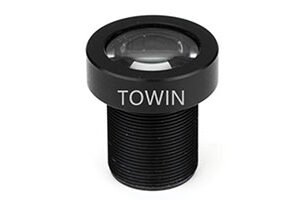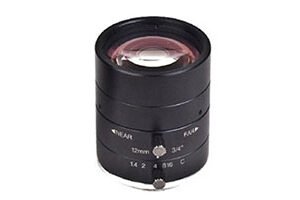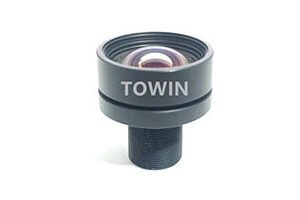


Photography enthusiasts and professionals alike understand the frustration of image distortion—warped edges, skewed proportions, and compromised clarity can ruin even the most meticulously composed shots. Enter the Low distortion lens, a game-changing innovation designed to eliminate these issues while offering versatile focal length flexibility.
What Is a Low Distortion Zoom Lens?
A Low distortion zoom lens combines the flexibility of adjustable focal lengths (zoom) with advanced optical engineering to minimize geometric distortion. Unlike traditional zoom lenses, which often introduce barrel distortion (bulging edges) or pincushion distortion (sunk-in centers), a Low distortion zoom lens uses aspherical elements, specialized coatings, and precision alignment to maintain straight lines and true-to-life proportions across the frame.
This makes it ideal for:
- Architectural photography: Straight verticals and horizontals remain crisp.
- Portrait photography: Facial features are rendered naturally.
- Product photography: Items appear undistorted for e-commerce.
Key Benefits of a Low Distortion Zoom Lens
1. Unmatched Image Clarity
By reducing distortion, these lenses preserve the integrity of your subject. A Low distortion zoom lens ensures that straight lines stay straight, even at extreme focal lengths.
2. Versatility Without Compromise
Unlike prime lenses, which offer fixed focal lengths, a Low distortion zoom lens lets you switch between wide-angle and telephoto settings without swapping gear. This is invaluable for fast-paced shoots or travel photography.
3. Enhanced Post-Processing Efficiency
Less distortion means fewer corrections in editing software. This saves time and maintains image quality, as heavy post-processing can degrade resolution.
4. Professional-Grade Results
For commercial photographers, clients demand flawless images. A Low distortion zoom lens delivers the precision needed for high-stakes projects like advertising campaigns or real estate listings.
How Does a Low Distortion Zoom Lens Work?
The secret lies in its optical design. Manufacturers incorporate:
- Aspherical Lens Elements: These curved surfaces counteract spherical aberration, a common cause of distortion.
- ED (Extra-Low Dispersion) Glass: Reduces chromatic aberration, ensuring colors align correctly.
- Advanced Coatings: Minimize reflections and flare, which can indirectly affect distortion.
Who Should Use a Low Distortion Zoom Lens?
- Professional Photographers: Architects, product shooters, and wedding photographers benefit from distortion-free results.
- Content Creators: Vloggers and YouTubers need clean footage for branding consistency.
- Hobbyists: Enthusiasts upgrading from kit lenses will notice a dramatic improvement in image quality.
FAQs
1. What makes a lens “low distortion”?
A Low distortion zoom lens uses specialized optical components to correct geometric flaws, ensuring subjects appear natural.
2. Are Low distortion zoom lenses more expensive?
Generally, yes. The advanced engineering and materials required justify the higher cost, but the investment pays off in image quality.
3. Can a Low distortion zoom lens replace prime lenses?
For many users, yes. While primes may offer slightly better low-light performance, a Low distortion zoom lens provides unmatched versatility.
4. Do all zoom lenses cause distortion?
No. High-quality Low distortion zoom lenses are designed to minimize or eliminate this issue entirely.
5. How do I know if a lens has low distortion?
Check reviews, technical specs, or test images. Many manufacturers also highlight distortion ratings in their product descriptions.
Conclusion
In a world where visual precision matters, a Low distortion zoom lens is an indispensable tool. It bridges the gap between convenience and quality, offering photographers the freedom to zoom without the fear of warped images.