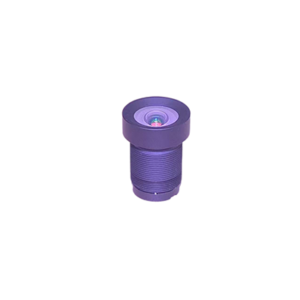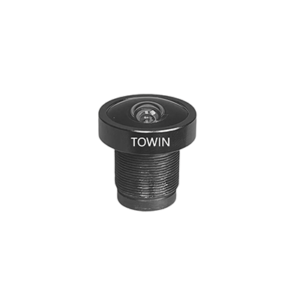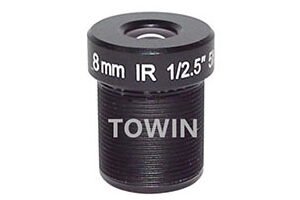


Car safety technology has evolved dramatically, and at the heart of modern automotive innovation lies the Car Lens. These compact yet powerful optical components are the eyes of dashcams, rearview cameras, and advanced driver-assistance systems (ADAS).
Why High-Quality Car Camera Lenses Matter
A Car Lens isn’t just a piece of glass—it’s a precision-engineered tool that captures critical visual data. Low-quality lenses can distort images, reduce night visibility, or fail in extreme weather, compromising safety. In contrast, High-Quality Car Camera Lenses offer:
- Crystal-clear imaging for accurate object detection.
- Durability against temperature fluctuations and vibrations.
- Advanced coatings to minimize glare and reflections.
Studies show that vehicles equipped with premium lenses reduce collision risks by up to 27% (source: IIHS). For drivers, this translates to peace of mind and potential insurance discounts.
Key Features of High-Quality Car Camera Lenses
1. Optical Clarity & Resolution
The lens’s ability to resolve fine details determines its effectiveness. High-quality lenses use multi-layer coatings and aspherical designs to eliminate distortion. For instance, a 1080p dashcam with a premium Car Lens can capture license plates from 50 feet away, while a budget lens might blur the same scene.
2. Low-Light Performance
Night driving demands lenses with wide apertures (e.g., f/1.8) and infrared sensitivity. Premium Car Lenses incorporate anti-reflective coatings to enhance light transmission, ensuring visibility in pitch-black conditions.
3. Weather Resistance
From rain to snow, lenses must withstand harsh environments. High-quality options feature hydrophobic coatings that repel water and dust, maintaining functionality even in storms.
4. Thermal Stability
Extreme heat or cold can warp lens materials. Premium Car Lenses use temperature-resistant glass and adhesives to prevent cracking or delamination.
5. Compatibility with ADAS
Modern vehicles rely on lenses to feed data to ADAS features like lane departure warnings and automatic emergency braking. A subpar Car Lens could misinterpret road markings, leading to false alerts or system failures.
How to Choose the Right Car Lens for Your Vehicle
Selecting a Car Lens involves balancing performance, budget, and vehicle compatibility. Here’s a step-by-step guide:
1. Assess Your Needs
- Dashcam: Prioritize low-light performance and wide-angle views.
- Rearview Camera: Opt for distortion-free lenses with high resolution.
- ADAS Integration: Ensure the lens meets OEM specifications for sensor alignment.
2. Check Material Quality
- Look for lenses made from optical-grade glass or polycarbonate with scratch-resistant coatings. Avoid plastic lenses, which degrade quickly under UV exposure.
The Future of Car Camera Lenses
The automotive industry is shifting toward autonomous driving, and Car Lenses will play a pivotal role. Innovations include:
- LiDAR Integration: Combining lenses with laser sensors for 3D mapping.
- AI-Powered Imaging: Lenses paired with edge computing to filter irrelevant data (e.g., ignoring road signs during high-speed driving).
- Miniaturization: Smaller lenses with equivalent performance to fit compact ADAS modules.
FAQs
1. What makes a Car Lens “high-quality”?
A high-quality Car Lens uses premium materials, advanced coatings, and precise manufacturing to ensure durability, clarity, and reliability in all conditions.
2. Can I upgrade my existing car camera with a better lens?
Yes, but ensure compatibility with your camera’s sensor size and mounting mechanism. Some aftermarket lenses may require professional installation.
3. Do High-Quality Car Camera Lenses cost more?
Initially, yes. However, they offer long-term savings by reducing replacement costs and enhancing safety, which may lower insurance premiums.
4. How often should I replace my Car Lens?
Most lenses last 5–10 years with proper care. Replace them if you notice scratches, cracks, or reduced image quality.
5. Are aftermarket Car Lenses as good as OEM?
Reputable aftermarket brands can match OEM quality, but always verify certifications like ISO 9001 and automotive-grade testing.
Conclusion
Your vehicle’s Car Lens is more than a component—it’s a lifeline. By choosing High-Quality Car Camera Lenses, you ensure unmatched visibility, durability, and compatibility with cutting-edge safety systems. As automotive technology advances, upgrading your lenses isn’t just smart; it’s essential.