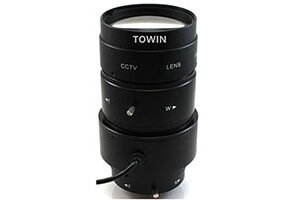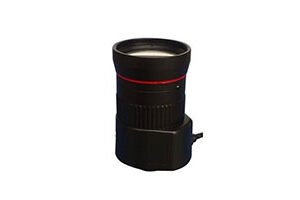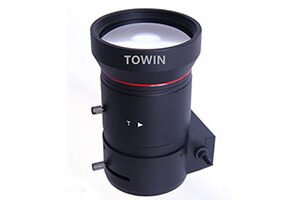


Video surveillance has evolved from grainy, low-resolution footage to crystal-clear imaging, thanks to advancements in CCTV technology. At the heart of this transformation lies the CCTV lens for video surveillance, a critical component that determines image clarity, field of view, and adaptability to environmental conditions.
Why the CCTV Lens for Video Surveillance Matters
The CCTV lens is the eye of your security camera, capturing light and focusing it onto the image sensor. Its quality directly impacts:
- Image Sharpness: A high-quality lens minimizes distortion and blur.
- Low-Light Performance: Advanced lenses enhance visibility in dim conditions.
- Adaptability: Motorized lenses allow remote zoom and focus adjustments.
- Durability: Weather-resistant lenses withstand harsh environments.
Without a reliable CCTV lens for video surveillance, even the most advanced camera body will fail to deliver actionable intelligence.
5 Key Features of a High-Performance CCTV Lens
1. Focal Length and Field of View
- The focal length determines how much area the lens can cover. Short focal lengths (2.8mm–8mm) offer wide-angle views, ideal for monitoring large spaces like parking lots. Longer focal lengths (50mm+) provide narrow, zoomed-in views for facial recognition or license plate capture.
2. Aperture Size (f-stop)
- A lower f-stop (e.g., f/1.2) allows more light to reach the sensor, improving low-light performance. For nighttime surveillance, choose a lens with an f-stop of f/1.4 or lower.
3. Lens Type: Fixed vs. Varifocal vs. Motorized
- Fixed lenses offer a permanent focal length, suitable for static monitoring.
- Varifocal lenses allow manual adjustment (e.g., 2.8mm–12mm), providing flexibility.
- Motorized lenses enable remote zoom/focus control, ideal for dynamic environments.
4. IR Compatibility
- For night vision cameras, ensure the CCTV lens for video surveillance is IR-corrected to prevent focus shifts when infrared illumination is activated.
5. Build Quality and Weather Resistance
- Opt for lenses with IP67 or higher ratings to protect against dust, moisture, and vandalism.
How to Choose the Right CCTV Lens for Your Needs
1. Assess Your Surveillance Goals
- Wide-area monitoring? Opt for a short focal length.
- Detailed facial recognition? Choose a telephoto lens.
2. Evaluate Lighting Conditions
- Low-light environments demand lenses with wide apertures (e.g., f/1.2).
3. Consider Installation Flexibility
- Varifocal or motorized lenses simplify adjustments without physical repositioning.
4. Budget vs. Performance
- Premium lenses with low f-stops and IR correction cost more but deliver superior results.
Common Mistakes to Avoid When Selecting a CCTV Lens
- Ignoring Aperture Size: A narrow aperture (high f-stop) may result in grainy nighttime footage.
- Overlooking IR Compatibility: Non-IR-corrected lenses blur when switching to night mode.
- Choosing Fixed Lenses for Dynamic Scenarios: Fixed lenses lack adaptability for changing surveillance needs.
FAQs
1. How does focal length affect image quality?
Shorter focal lengths provide wider views but may distort details at the edges. Longer focal lengths zoom in but reduce the field of view.
2. What is the best aperture for low-light CCTV?
An aperture of f/1.2 or f/1.4 maximizes light intake, crucial for nighttime surveillance.
3. Do motorized lenses require frequent maintenance?
No. Modern motorized lenses are built for long-term reliability but should be inspected annually for dust or wear.
4. How do I clean a CCTV lens?
Use a microfiber cloth and lens-cleaning solution. Avoid abrasive materials to prevent scratches.
5. What is IR correction, and why does it matter?
IR correction ensures the lens focuses infrared light properly, preventing blurry nighttime footage.
6. Are zoom lenses better than fixed lenses for surveillance?
Zoom lenses (varifocal or motorized) offer versatility but may cost more. Fixed lenses are simpler and cheaper for static monitoring.
Conclusion
The CCTV lens for video surveillance is not just an accessory—it’s the foundation of reliable security. By prioritizing focal length, aperture, and build quality, you can ensure your surveillance system captures clear, actionable footage in any condition.