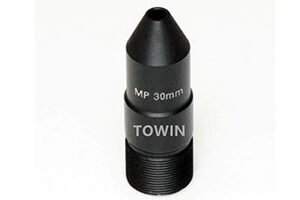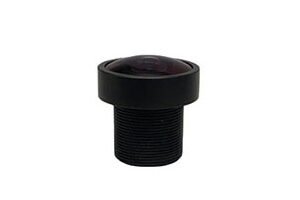


The automotive industry is evolving at an unprecedented pace, driven by innovations in safety, efficiency, and driver experience. At the heart of this transformation lies a critical component: Automotive Grade Lenses. These specialized optical solutions are engineered to meet stringent industry standards, ensuring clarity, durability, and reliability in the most demanding environments.
What Are Automotive Lens?
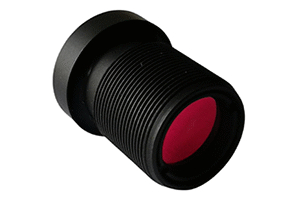
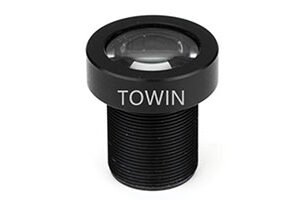
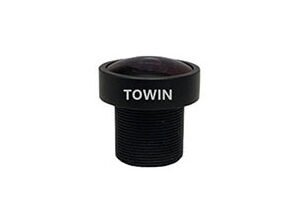
Automotive Lens are precision-engineered optical components designed specifically for use in vehicles. Unlike standard lenses, they undergo rigorous testing to withstand extreme temperatures, vibrations, UV exposure, and chemical resistance. These lenses are integral to systems like advanced driver-assistance systems (ADAS), head-up displays (HUDs), LiDAR, and interior cameras, where failure is not an option.
Key Features of Automotive Grade Lenses
1. Durability Under Extreme Conditions
Automotive Grade Lenses are built to last. They resist scratches, impacts, and environmental degradation, thanks to coatings like anti-reflective (AR) and hard-coat finishes. For example, a lens in a rearview camera must endure constant exposure to dust, rain, and debris without compromising image quality.
2. Optical Precision
Clarity is non-negotiable. These lenses minimize distortion, chromatic aberration, and light loss, ensuring accurate data for sensors and crisp visuals for displays. A misaligned lens in a LiDAR system could lead to faulty object detection, risking safety.
3. Thermal Stability
Vehicles operate across a vast temperature range. Automotive Grade Lenses use materials like optical-grade polycarbonate or glass to maintain shape and performance, even in freezing cold or desert heat.
4. Compliance with Industry Standards
Manufacturers adhere to protocols like IATF 16949 and AEC-Q100, guaranteeing quality and reliability. These lenses also meet automotive safety regulations, such as ISO 26262 for functional safety.
Applications of Automotive Grade Lenses
1. Advanced Driver-Assistance Systems (ADAS)
Cameras and sensors rely on these lenses to detect pedestrians, lane markings, and obstacles. A high-quality lens ensures ADAS features like automatic emergency braking (AEB) work seamlessly.
2. Head-Up Displays (HUDs)
HUDs project critical information onto the windshield, requiring lenses that balance brightness and clarity. Automotive Grade Lenses ensure drivers receive real-time data without distraction.
3. LiDAR and Radar Systems
Autonomous vehicles depend on LiDAR for 3D mapping. Precision lenses guide laser beams accurately, enabling vehicles to “see” their surroundings in detail.
4. Interior Cameras
From driver monitoring to cabin occupancy detection, interior cameras use lenses that perform under low-light conditions while respecting privacy.
Why Choose Automotive Grade Lenses Over Standard Alternatives?
The difference lies in reliability. Standard lenses may degrade quickly under automotive stress, leading to costly failures or safety risks. Automotive Grade Lenses, however, are validated through accelerated aging tests, simulating years of use in weeks. This rigor ensures long-term performance, reducing maintenance costs and enhancing brand reputation.
For manufacturers, partnering with suppliers like Opticron Automotive—a leader in optical solutions—guarantees access to cutting-edge technology. Their lenses are trusted by global automakers for their consistency and innovation.
Future Trends in Automotive Grade Lenses
The automotive landscape is shifting toward electrification and autonomy, driving demand for smarter optics. Emerging trends include:
- Miniaturization: Smaller lenses for compact sensor arrays.
- Augmented Reality (AR) Integration: Lenses that overlay navigation data onto windshields.
- Enhanced Night Vision: Lenses with improved low-light performance for safer driving after dark.
As vehicles become more connected, the role of Automotive Grade Lenses will expand, demanding even higher precision and adaptability.
FAQs
1. What makes Automotive Grade Lenses different from consumer-grade lenses?
Automotive Grade Lenses are designed to meet strict industry standards for durability, thermal stability, and optical performance, ensuring they function reliably in vehicles for years.
2. Are Automotive Grade Lenses more expensive?
While initially costlier, their longevity and performance reduce total ownership costs by minimizing failures and replacements.
3. Can these lenses be used in non-automotive applications?
Yes! Their rugged design makes them suitable for industrial machinery, aerospace, and medical devices where reliability is critical.
4. How do manufacturers test Automotive Grade Lenses?
Tests include thermal cycling, vibration analysis, salt spray resistance, and UV exposure to simulate decades of use in harsh conditions.
5. What advancements are expected in the next decade?
Expect lenses with self-cleaning coatings, AI-driven adaptive optics, and integration with 5G networks for real-time data processing.
Conclusion
Automotive Grade Lenses are the unsung heroes of vehicle safety and innovation. Their ability to perform under pressure ensures that modern driving remains safe, efficient, and enjoyable. As technology advances, these lenses will continue to evolve, shaping the future of mobility.