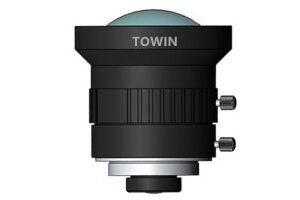


The automotive industry demands unparalleled precision, consistency, and speed in manufacturing. From engine components to body panels, even minor defects can compromise safety, performance, or brand reputation. This is where machine vision lenses used in automotive inspection emerge as game-changers.
Why Machine Vision Lenses Are Critical in Automotive Inspection
Traditional inspection methods, such as manual checks or basic sensors, are slow, error-prone, and inefficient for high-volume production. Machine vision lenses, however, leverage cutting-edge technology to automate inspections, reducing human intervention and boosting throughput.
These lenses capture detailed images of components at speeds unattainable by human inspectors. For instance, a machine vision system can analyze hundreds of parts per minute, identifying scratches, cracks, or misalignments in milliseconds. This efficiency is vital in automotive manufacturing, where delays or defects can cost millions in recalls or lost revenue.
Key Applications of Machine Vision Lenses in Automotive Inspection
Machine vision lenses used in automotive inspection serve multiple roles across the production lifecycle:
1. Surface Defect Detection
Lenses with high magnification and resolution inspect surfaces for scratches, dents, or paint irregularities. For example, in body panel production, machine vision systems can detect imperfections as small as 0.01mm, ensuring a flawless finish.
2. Component Alignment Verification
Precision is critical for engine parts, gears, and connectors. Machine vision lenses verify alignment by comparing captured images against digital blueprints, flagging deviations instantly. This prevents assembly errors that could lead to mechanical failures.
3. Assembly Line Monitoring
Real-time imaging tracks the placement of components like sensors, wiring harnesses, or fasteners. If a part is missing or mispositioned, the system triggers an alert, halting production before defects escalate.
4. Dimensional Measurement
Machine vision lenses measure dimensions with sub-micron accuracy, ensuring parts like pistons or valves fit perfectly. This reduces wear and tear, extending the lifespan of automotive systems.
5. OCR and Barcode Reading
Lenses decode serial numbers, batch codes, or QR codes on parts, enabling traceability throughout the supply chain. This is crucial for recalls or warranty claims, as manufacturers can pinpoint affected components quickly.
Advantages of Machine Vision Lenses Over Traditional Methods
The shift to machine vision lenses used in automotive inspection offers unmatched benefits:
- Speed: Systems inspect parts at rates up to 10x faster than manual methods.
- Accuracy: Human error is eliminated, with defect detection rates exceeding 99.9%.
- Cost Efficiency: Reduced labor costs and scrap rates translate to long-term savings.
- Scalability: Systems adapt to varying production volumes without sacrificing performance.
- Data-Driven Insights: Captured images generate reports for process optimization and predictive maintenance.
Choosing the Right Machine Vision Lenses for Automotive Inspection
Selecting the optimal lens depends on factors like inspection requirements, environmental conditions, and budget. Here’s what to consider:
- Resolution: Higher resolution lenses capture finer details but may require more processing power.
- Field of View (FOV): Wide FOV lenses inspect larger areas, while narrow FOV lenses focus on small, intricate parts.
- Lighting Compatibility: Some lenses work best with specific lighting setups (e.g., structured light or backlighting).
- Durability: Automotive environments are harsh; lenses must resist vibrations, dust, and temperature fluctuations.
Future Trends in Machine Vision Lenses for Automotive Inspection
The industry is evolving rapidly, with innovations like:
- AI-Powered Analytics: Deep learning algorithms improve defect detection by learning from vast datasets.
- 3D Imaging: Stereovision lenses create 3D models of parts, enabling more complex inspections.
- Miniaturization: Smaller lenses fit into compact spaces, expanding applications in electric vehicle (EV) manufacturing.
FAQs
1. What types of defects can machine vision lenses detect?
They identify surface flaws (scratches, dents), alignment issues, dimensional inaccuracies, and missing or misplaced parts.
2. Are machine vision lenses expensive?
Initial costs vary based on resolution and features, but long-term savings from reduced scrap and labor often justify the investment.
3. Can machine vision systems integrate with existing production lines?
Yes, most systems are modular and can be customized to fit existing workflows without major overhauls.
4. How often do machine vision lenses need maintenance?
Regular cleaning and calibration ensure optimal performance, but high-quality lenses can operate reliably for years with minimal upkeep.
5. Do machine vision lenses work in low-light conditions?
Specialized lenses with low-light sensitivity or infrared capabilities can inspect parts in dim environments, such as engine bays or nighttime production shifts.
6. What is the role of software in machine vision inspection?
Software processes images, applies algorithms for defect detection, and generates reports. Open-source tools like OpenCV or proprietary platforms like Cognex VisionPro are commonly used.
Conclusion
Machine vision lenses used in automotive inspection are transforming the industry, delivering unmatched precision, speed, and reliability. As manufacturing becomes increasingly automated, these lenses will play a pivotal role in ensuring quality, safety, and customer satisfaction.