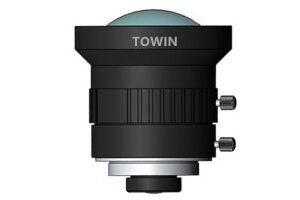


In today’s fast-paced industrial environment, precision and efficiency are crucial to success. One of the key technological advancements driving improvements in manufacturing processes is the use of machine vision lenses in quality control. These specialized lenses play an essential role in improving the accuracy and speed of quality control systems, ensuring that products meet the highest standards.
What Are Machine Vision Lenses in Quality Control?
Machine vision lenses are integral components of automated systems that utilize cameras and imaging technology to inspect, measure, and ensure the quality of products in manufacturing. These lenses are designed to capture high-resolution images that are processed by computer algorithms to detect defects, measure dimensions, and verify other product specifications.
In quality control, machine vision lenses are critical for achieving a high level of accuracy and consistency. Whether used in food processing, electronics manufacturing, or automotive production, these lenses help ensure that products meet the required standards and specifications before they reach the consumer.
The Role of Machine Vision Lenses in Improving Quality Control
Machine vision systems are typically composed of cameras, lighting, and lenses that work together to inspect products. The machine vision lenses are responsible for capturing sharp and clear images of the product surface, which are then analyzed for defects such as cracks, misalignment, or color inconsistencies. The lens quality directly impacts the system’s ability to detect flaws with high accuracy, making them a crucial part of the inspection process.
By integrating machine vision lenses in quality control, manufacturers can:
- Increase Detection Accuracy: High-quality lenses provide detailed and accurate images, allowing for precise defect detection.
- Speed Up Production: Automated systems work faster than human inspectors, improving throughput and reducing production delays.
- Enhance Consistency: Machine vision systems offer repeatable inspections, eliminating the risk of human error and ensuring consistent product quality.
- Reduce Operational Costs: By reducing the need for manual inspection and minimizing waste from defective products, manufacturers can lower costs and improve profitability.
Why Machine Vision Lenses are Essential in Quality Control
The adoption of machine vision lenses in quality control systems is increasing due to several key benefits:
- Automation of Quality Checks: Traditional manual inspections can be time-consuming and prone to human error. With machine vision systems, quality checks are automated, improving both speed and accuracy.
- Real-Time Monitoring: Machine vision systems can monitor products in real time, enabling manufacturers to identify defects as they occur on the production line. This allows for immediate corrective actions, reducing the likelihood of defective products reaching consumers.
- Customizable Lenses for Specific Needs: Different industries and products require different lens specifications. For example, a food processing plant may need lenses that can inspect small surface details, while a car manufacturer may need lenses that can detect tiny imperfections on metal parts. Machine vision lenses can be tailored to meet specific quality control requirements, making them highly adaptable.
- Reduced Product Waste: By detecting defects early in the production process, machine vision lenses help reduce the number of defective products that make it to the final stage of production, lowering waste and improving sustainability.
Choosing the Right Machine Vision Lens for Your Quality Control Needs
Selecting the right lens is crucial for optimizing the performance of machine vision systems. Here are some factors to consider when choosing a machine vision lens:
- 1. Focal Length: The focal length determines how close or far away objects can be accurately inspected. A shorter focal length is ideal for inspecting small, detailed items, while a longer focal length is better suited for larger objects.
- 2. Resolution: High-resolution lenses are essential for capturing clear, detailed images. Lenses with a higher resolution allow for better detection of small defects that could be missed by lower-resolution systems.
- 3. Field of View: The field of view defines the area that can be captured by the camera. Choosing the right field of view is essential to ensure that all parts of the product are inspected without the lens being too wide or too narrow.
- 4. Lighting Compatibility: Proper lighting is vital for achieving the best results with machine vision lenses. Lenses must be compatible with the lighting conditions to ensure optimal image clarity.
Industries Benefiting from Machine Vision Lenses in Quality Control
Numerous industries rely on machine vision lenses in quality control to maintain high standards and improve their production processes. Some of the industries benefiting most include:
- Electronics Manufacturing: In electronics, machine vision systems with specialized lenses inspect printed circuit boards (PCBs), semiconductors, and other small components for defects like soldering issues or surface imperfections.
- Automotive: In automotive manufacturing, machine vision lenses are used to detect faults in body parts, such as dents, scratches, or paint defects. These systems help maintain the aesthetic and functional quality of vehicles.
- Food Processing: Machine vision lenses in quality control play a critical role in inspecting food items for contaminants, defects, or inconsistencies in size and shape, ensuring food safety and quality.
- Pharmaceuticals: In the pharmaceutical industry, machine vision systems inspect packaging and labeling, ensuring that products are properly sealed and labeled with accurate information.
FAQs
1. What makes machine vision lenses essential for quality control?
Machine vision lenses are essential for quality control because they capture high-resolution images that allow automated systems to inspect products quickly and accurately, reducing the risk of human error and ensuring consistent product quality.
2. How do machine vision lenses improve production efficiency?
By automating the inspection process, machine vision lenses allow for faster production times, as they can detect defects in real time and enable immediate corrective actions. This reduces delays and improves overall efficiency.
3. Can machine vision lenses be customized for specific applications?
Yes, machine vision lenses can be customized to meet the specific needs of different industries, whether it’s adjusting the focal length, resolution, or field of view to optimize performance for particular products.
4. What are the key factors to consider when selecting machine vision lenses?
The key factors to consider include focal length, resolution, field of view, and lighting compatibility. These factors determine the lens’s ability to capture clear, accurate images for defect detection.
5. Are machine vision lenses only used in high-tech industries?
No, while machine vision lenses are popular in high-tech industries like electronics and automotive, they are also widely used in food processing, pharmaceuticals, and even agriculture, where precision quality control is important.
Conclusion
Machine vision lenses in quality control are transforming manufacturing processes across a variety of industries by offering faster, more accurate, and reliable inspections. These lenses enable businesses to improve product quality, reduce waste, and increase operational efficiency.