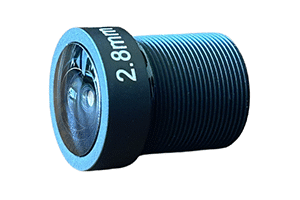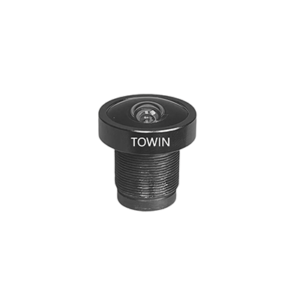


In the world of industrial automation, machine vision plays an essential role in enhancing productivity, ensuring quality control, and improving accuracy in manufacturing processes. A key component that has become increasingly popular in machine vision applications is the Machine Vision Wide Angle Lens. These lenses offer a broader field of view, enabling machines to capture high-quality images and make precise decisions faster.
What is a Machine Vision Wide Angle Lens?
A Machine Vision Wide Angle Lens is a specialized lens used in machine vision systems to capture wide-angle images for better coverage. It is designed to provide a larger field of view compared to standard lenses, making it ideal for applications where capturing a broad scene is essential. These lenses are crucial in industries like manufacturing, automotive, logistics, and even healthcare, where the ability to monitor or inspect large areas quickly is required.
With the ability to view more of the scene in a single shot, a Machine Vision Wide Angle Lens enhances the system’s ability to detect objects, defects, or other critical features in an industrial setting. These lenses work with industrial cameras and sensors to provide high-definition, clear images, improving the overall performance and efficiency of machine vision systems.
Applications of Machine Vision Wide Angle Lenses
The Machine Vision Wide Angle Lens is used across various industries to improve operational efficiency and reduce errors. Below are some of the common applications:
1. Quality Control in Manufacturing:
Wide-angle lenses are used for automated visual inspection to identify defects or inconsistencies in products as they move through a production line. This ensures products meet stringent quality standards without the need for manual inspection.
2. Robotics and Automation:
Robotic systems that rely on machine vision for tasks such as object picking, sorting, and packaging benefit significantly from wide-angle lenses. The broad view allows robots to quickly identify and interact with objects in a large workspace, improving speed and accuracy.
3. Surveillance and Security:
In surveillance systems, Machine Vision Wide Angle Lenses can cover larger areas, minimizing the need for multiple cameras. They provide clearer images in expansive areas such as warehouses, factories, and outdoor facilities, allowing for better security and monitoring.
4. Autonomous Vehicles:
In the development of autonomous vehicles, machine vision plays a critical role in navigating the environment. Wide-angle lenses offer a broader view of the surrounding area, enabling the vehicle to detect obstacles, pedestrians, and road signs efficiently.
5. Agricultural Technology:
In precision farming, Machine Vision Wide Angle Lenses are used for crop monitoring, weed detection, and autonomous machinery. These lenses enable agricultural machines to cover a large field of view, ensuring faster and more accurate analysis of crops.
Benefits of Machine Vision Wide Angle Lenses
1. Increased Field of View:
The primary benefit of a Machine Vision Wide Angle Lens is its ability to cover a wider field of view. This allows cameras to capture more information, reducing the number of cameras needed to monitor a large area. It’s particularly useful in environments where space is limited or when it’s impractical to install multiple cameras.
2. Enhanced Precision and Accuracy:
A wide-angle lens improves the system’s ability to detect smaller objects or defects that may be missed by traditional lenses. This is critical in industrial settings where precision is paramount. By providing clear, detailed images over a broader area, wide-angle lenses contribute to higher-quality results.
3. Cost Savings:
Using fewer cameras for the same coverage area translates to significant cost savings in hardware and installation. Additionally, Machine Vision Wide Angle Lenses can reduce the complexity of the system, making it easier to maintain and operate.
4. Flexibility and Adaptability:
These lenses are adaptable to various machine vision applications, from high-speed inspection to robotic vision. Their ability to perform under different lighting conditions and in varied environments makes them versatile tools in industrial settings.
5. Improved Efficiency:
By offering a wider view, these lenses reduce the time needed for image capture and analysis. This speed advantage is particularly valuable in high-speed manufacturing environments, where efficiency is key to maintaining productivity.
Choosing the Right Machine Vision Wide Angle Lens
Selecting the right Machine Vision Wide Angle Lens depends on the specific needs of your application. Here are some factors to consider:
1. Field of View (FOV):
Different applications require different FOV sizes. Depending on the area to be covered, you may need a lens with a larger or smaller field of view. Ensure that the lens chosen aligns with the operational requirements of your machine vision system.
2. Resolution:
A higher resolution lens will provide sharper images, which is essential for applications where fine details matter, such as quality control or defect detection.
3. Focal Length:
The focal length of the lens determines the depth of field and magnification. For wide-angle lenses, selecting the right focal length ensures that objects at various distances are captured in focus, providing the most accurate results.
4. Distortion:
While wide-angle lenses provide a broader view, they can sometimes introduce distortion. It’s important to select a lens that minimizes optical distortion, ensuring that images are as clear and true to life as possible.
FAQs
1. What makes a Machine Vision Wide Angle Lens different from a standard lens?
A Machine Vision Wide Angle Lens differs from a standard lens in its ability to capture a larger field of view. This allows for more area to be covered in a single shot, making it ideal for applications where a broader perspective is needed, such as surveillance or robotic vision.
2. Are wide-angle lenses suitable for high-speed applications?
Yes, Machine Vision Wide Angle Lenses can be used in high-speed applications. Their ability to capture large areas quickly is beneficial in high-speed manufacturing and robotic environments, where real-time analysis is crucial.
3. Can wide-angle lenses be used in low-light conditions?
Many Machine Vision Wide Angle Lenses are designed to perform well in low-light conditions, especially when paired with high-sensitivity cameras. However, the specific lens chosen should be evaluated for its performance under the required lighting conditions.
4. How do I maintain a Machine Vision Wide Angle Lens?
Maintaining a Machine Vision Wide Angle Lens involves regular cleaning to prevent dust or debris from affecting image quality. It is also important to check for any signs of wear and tear, as well as ensuring the lens is properly calibrated with the camera system.
Conclusion
The Machine Vision Wide Angle Lens is an indispensable tool in modern industrial automation, offering significant advantages in terms of field of view, precision, and cost-efficiency. Its applications span across various industries, from quality control in manufacturing to autonomous vehicles and agricultural technology.