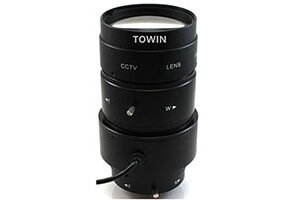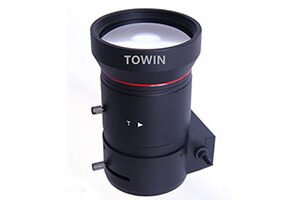


Security surveillance has evolved dramatically over the past decade, with advancements in camera technology enabling sharper, wider, and more reliable monitoring. At the heart of this evolution lies the Wide-angle CCTV lens, a critical component that determines the field of view (FoV) and image quality of your security system.
Why Wide-Angle CCTV Lenses Matter
A Wide-angle CCTV lens is designed to capture a broader area than standard lenses, reducing blind spots and minimizing the number of cameras needed for comprehensive coverage. The focal length, measured in millimeters (mm), directly impacts the FoV: shorter focal lengths (e.g., 2.8mm) offer wider angles, while longer focal lengths (e.g., 8mm) narrow the view.
For instance, a 2.8mm Wide-angle CCTV lens typically provides a FoV of 90–110 degrees, making it ideal for small rooms, entryways, or tight spaces. In contrast, a 3.6mm Wide-angle CCTV lens offers a slightly narrower FoV (70–90 degrees) but delivers greater detail at medium distances, such as parking lots or hallways.
Key Features of 2.8mm and 3.6mm Wide-Angle CCTV Lenses
1. Expansive Coverage:
A 2.8mm Wide-angle CCTV lens excels in confined spaces, capturing entire rooms or small outdoor areas with minimal distortion.
A 3.6mm lens balances width and detail, suitable for medium-sized zones like driveways or backyards.
2. High-Resolution Imaging:
Modern lenses pair with high-definition cameras (e.g., 4K or 8MP) to deliver sharp, clear footage even in low-light conditions.
3. Versatility:
Both lenses adapt to various environments, from indoor retail spaces to outdoor perimeters, ensuring flexibility in deployment.
4. Cost-Efficiency:
By reducing the number of cameras required, these lenses lower installation and maintenance costs while maintaining full coverage.
Applications of Wide-Angle CCTV Lenses
- Retail Stores: Monitor aisles, cash registers, and entrances with a single 2.8mm Wide-angle CCTV lens.
- Warehouses: Track inventory and personnel movement using 3.6mm lenses for medium-range visibility.
- Residential Security: Secure driveways, gardens, and porches with a combination of both lenses for layered protection.
- Public Spaces: Deploy in parking lots, parks, or transit stations to deter vandalism and theft.
How to Choose Between 2.8mm and 3.6mm Lenses
Selecting the right lens depends on your surveillance goals:
- For ultra-wide coverage in small areas, opt for a 2.8mm Wide-angle CCTV lens.
- For balanced width and detail in medium-sized zones, choose a 3.6mm lens.
Consider factors like camera resolution, mounting height, and lighting conditions. For example, a 2.8mm lens mounted at 8 feet will cover approximately 20 feet horizontally, while a 3.6mm lens at the same height covers about 25 feet but with finer detail.
FAQs
What is the main advantage of a Wide-angle CCTV lens?
The primary benefit is its ability to cover larger areas with fewer cameras, reducing costs and simplifying monitoring.
Can a 2.8mm lens replace multiple standard lenses?
In small spaces, yes. A 2.8mm Wide-angle CCTV lens can eliminate the need for several narrow-angle lenses, but larger areas may still require additional cameras.
Do Wide-angle lenses compromise image quality?
Modern lenses minimize distortion and maintain clarity, especially when paired with high-resolution cameras. However, extreme wide angles (e.g., fisheye lenses) may introduce edge distortion.
Are 3.6mm lenses better for outdoor use?
Not inherently. Both 2.8mm and 3.6mm Wide-angle CCTV lenses work outdoors, but the choice depends on the desired FoV and distance coverage.
How do I calculate the field of view for a Wide-angle lens?
Use online FoV calculators or consult the lens manufacturer’s specifications. Input the focal length, sensor size, and mounting height to estimate coverage.
Can I upgrade my existing cameras with a Wide-angle lens?
Yes, provided the camera supports interchangeable lenses. Verify compatibility before purchasing.
Final Thoughts
Investing in a Wide-angle CCTV lens is a game-changer for any security system. Whether you prioritize ultra-wide coverage with a 2.8mm lens or balanced visibility with a 3.6mm lens, these tools empower you to monitor spaces efficiently and effectively.