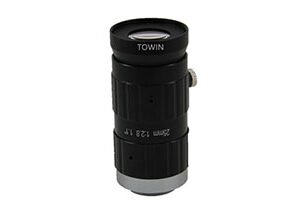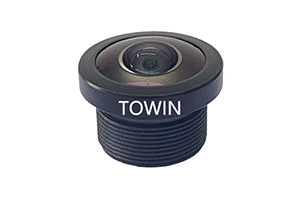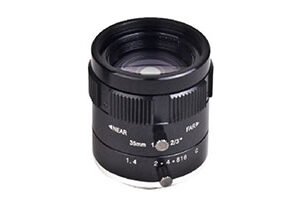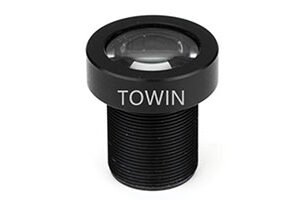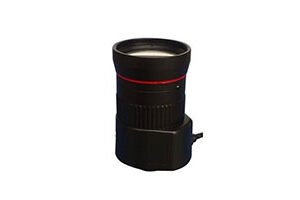


In the rapidly evolving world of industrial automation, precision and reliability are non-negotiable. The 4mm High-Res Industrial Lens has emerged as a game-changer, offering unparalleled image clarity and compact design for applications ranging from robotic assembly to quality inspection. Designed to meet the demands of high-speed manufacturing environments, this lens combines cutting-edge optics with rugged construction, ensuring consistent performance even in harsh conditions.
Why the 4mm High-Res Industrial Lens Stands Out
The 4mm High-Res Industrial Lens is engineered to deliver crystal-clear images with minimal distortion, making it ideal for tasks requiring microscopic detail. Its compact 4mm focal length allows for flexible mounting in tight spaces, while its high-resolution capabilities—often exceeding 5 megapixels—ensure every feature is captured with precision. Unlike traditional lenses, this model minimizes chromatic aberration and vignetting, providing edge-to-edge sharpness critical for automated systems.
Key Features:
- 1. Ultra-Compact Design: Fits into confined spaces without compromising image quality.
- 2. High Resolution: Supports sensors up to 12MP for detailed inspections.
- 3. Rugged Build: Resists dust, moisture, and vibrations, ensuring longevity.
- 4. Low Distortion: Maintains accuracy for measurement and alignment tasks.
Applications of the 4mm High-Res Industrial Lens
The versatility of the 4mm High-Res Industrial Lens makes it indispensable across industries:
1. Machine Vision & Robotics:
Robots rely on precise visual feedback for tasks like pick-and-place operations. The 4mm lens’s sharp focus and compact size enable robots to navigate complex environments with sub-millimeter accuracy.
2. Quality Control & Inspection:
In electronics manufacturing, defects as small as 0.01mm can render a product unusable. The lens’s high resolution detects flaws in solder joints, circuit boards, and microcomponents, reducing waste and improving yield rates.
3. Medical Device Production:
Sterile environments demand lenses that withstand frequent cleaning. The 4mm High-Res Industrial Lens’s sealed construction prevents contamination while capturing intricate details of medical implants or surgical tools.
4. Automotive & Aerospace:
From engine parts to aerospace components, the lens inspects surfaces for scratches, cracks, or misalignments, ensuring compliance with stringent safety standards.
How to Choose the Right 4mm High-Res Industrial Lens
Sensor Compatibility: Ensure the lens supports your camera’s sensor size (e.g., 1/1.8”, 2/3”).
- Lighting Conditions: For low-light environments, opt for lenses with wide apertures (e.g., f/2.8) to maximize light intake.
- Mounting Options: Check if the lens fits your camera’s thread size (e.g., C-mount, M12).
- Environmental Resistance: If used in dusty or wet areas, prioritize lenses with IP67 ratings.
FAQs
1. What makes the 4mm High-Res Industrial Lens suitable for robotics?
Its compact size and high resolution enable robots to process visual data quickly, improving reaction times in dynamic environments.
2. Can the 4mm lens work with infrared (IR) cameras?
Yes, many models feature IR-compatible coatings, but verify specifications with the manufacturer to ensure compatibility.
3. How does the 4mm lens compare to wider-angle alternatives?
While wider lenses capture more area, the 4mm High-Res Industrial Lens offers superior magnification and detail, making it better for close-up inspections.
4. Is the lens difficult to install?
No, most models use standard mounting threads (e.g., M12) and come with alignment tools for straightforward setup.
5. What maintenance does the 4mm lens require?
Regular cleaning with a microfiber cloth and avoiding abrasive chemicals will prolong its lifespan. Store in a dry, dust-free environment when not in use.
Conclusion
The 4mm High-Res Industrial Lens is redefining what’s possible in industrial automation. Its blend of compact design, high resolution, and durability makes it a top choice for applications where accuracy is paramount. As industries continue to adopt AI-driven systems, the demand for such advanced optics will only grow.