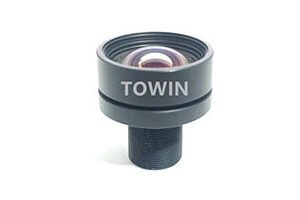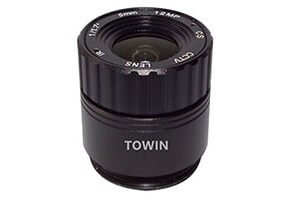


The automotive industry is undergoing a seismic shift toward autonomy, with LIDAR (Light Detection and Ranging) systems at the forefront of this transformation. These systems rely on precise optical components to map environments in real time, and fixed focus lenses in automotive LIDAR systems have emerged as a critical technology enabling this leap. Unlike adjustable lenses, fixed focus lenses offer unmatched stability, cost efficiency, and reliability, making them indispensable for modern vehicles.
Why Fixed Focus Lenses Matter in Automotive LIDAR Systems
LIDAR systems emit laser pulses to measure distances and create 3D maps of surroundings. The accuracy of these measurements hinges on the optical clarity and stability of the lenses used. Fixed focus lenses in automotive LIDAR systems are engineered to maintain a consistent focal point, eliminating the need for mechanical adjustments. This design reduces complexity, enhances durability, and ensures consistent performance across diverse driving conditions.
For instance, in autonomous vehicles, LIDAR sensors must operate flawlessly in extreme temperatures, vibrations, and humidity levels. Fixed focus lenses resist defocusing caused by environmental stressors, ensuring reliable data collection. Their simplicity also reduces manufacturing costs, making high-volume production feasible for automakers.
Key Advantages of Fixed Focus Lenses in Automotive LIDAR Systems
1. Precision and Consistency
Fixed focus lenses eliminate focal drift, a common issue with adjustable lenses. This ensures that LIDAR systems deliver accurate distance measurements, even at high speeds or in challenging weather.
2. Durability and Reliability
Without moving parts, fixed focus lenses are less prone to wear and tear. This longevity is critical for automotive applications, where sensors must function for decades without maintenance.
3. Cost Efficiency
Manufacturing fixed focus lenses is simpler and cheaper than producing adjustable alternatives. This cost advantage accelerates the adoption of LIDAR technology in mass-market vehicles.
4. Compact Design
Fixed focus lenses require fewer components, enabling smaller, lighter LIDAR modules. This compactness is vital for integrating sensors into vehicle exteriors without compromising aesthetics or aerodynamics.
Applications of Fixed Focus Lenses in Automotive LIDAR Systems
Fixed focus lenses in automotive LIDAR systems are deployed in multiple use cases:
- Autonomous Driving: High-resolution LIDAR sensors with fixed focus lenses enable vehicles to detect obstacles, pedestrians, and road markings with millimeter-level accuracy.
- Advanced Driver-Assistance Systems (ADAS): Features like adaptive cruise control and lane-keeping assistance rely on LIDAR data processed through fixed focus lenses for real-time decision-making.
- Parking Assistance: Fixed focus lenses help LIDAR systems create detailed 3D maps of parking spaces, guiding vehicles into tight spots with minimal human input.
Fixed Focus Lenses vs. Adjustable Lenses: A Comparative Analysis
While adjustable lenses offer flexibility, they introduce trade-offs that make them less suitable for automotive LIDAR:
- Complexity: Adjustable lenses require motors or piezoelectric actuators to shift focus, increasing the risk of mechanical failure.
- Latency: Dynamic focusing introduces delays in data capture, which can be critical in high-speed scenarios.
- Cost: The additional components and calibration processes raise production expenses.
In contrast, fixed focus lenses in automotive LIDAR systems prioritize simplicity and reliability, aligning perfectly with the automotive industry’s demand for robust, cost-effective solutions.
Future Trends in Fixed Focus Lenses for Automotive LIDAR
The evolution of LIDAR technology is driving innovations in fixed focus lens design. For example, manufacturers are developing lenses with wider fields of view (FoV) to enhance peripheral detection without sacrificing resolution. Additionally, advancements in materials science are yielding lenses that resist fogging and scratches, further improving performance in harsh environments.
A notable trend is the integration of fixed focus lenses in automotive LIDAR systems with artificial intelligence (AI). AI algorithms can optimize lens performance by compensating for minor imperfections, ensuring flawless operation even in suboptimal conditions.
FAQs
How do fixed focus lenses improve LIDAR accuracy?
Fixed focus lenses maintain a constant focal point, eliminating blurring or distortion caused by focal shifts. This ensures precise distance measurements critical for safe navigation.
Are fixed focus lenses suitable for all weather conditions?
Yes. Their lack of moving parts makes them resistant to temperature fluctuations, humidity, and vibrations, ensuring reliable performance in rain, snow, or extreme heat.
What is the lifespan of fixed focus lenses in automotive LIDAR systems?
Fixed focus lenses typically outlast adjustable lenses, with lifespans exceeding 10 years under normal operating conditions. Their durability reduces replacement costs for automakers.
Can fixed focus lenses be used in high-speed vehicles?
Absolutely. Their instantaneous data capture capability makes them ideal for autonomous vehicles traveling at highway speeds, where split-second decisions are essential.
How do fixed focus lenses reduce manufacturing costs?
By eliminating the need for actuators and calibration mechanisms, fixed focus lenses simplify production processes. This streamlining cuts material and labor expenses significantly.
Conclusion
Fixed focus lenses in automotive LIDAR systems represent a pivotal advancement in vehicle technology. Their precision, durability, and cost efficiency make them the gold standard for LIDAR sensors, driving the widespread adoption of autonomous driving and ADAS features. As the industry continues to innovate, fixed focus lenses will remain at the heart of safer, smarter vehicles.