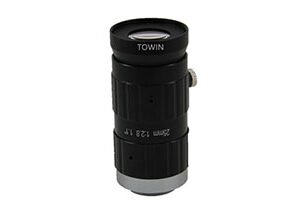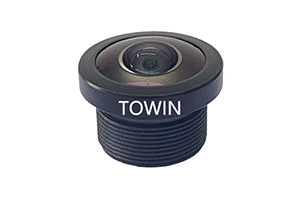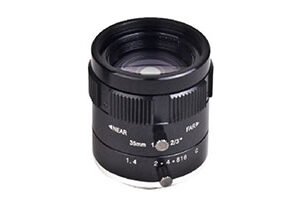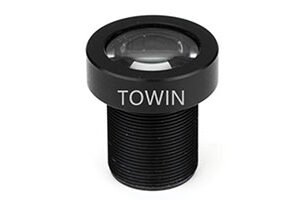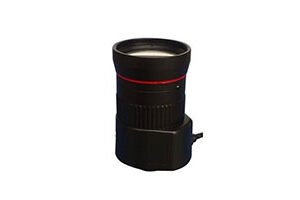


In an era where food safety scandals dominate headlines and consumer trust is fragile, the Food Quality Control Industrial Lens has emerged as a game-changer. This advanced imaging technology is redefining how manufacturers inspect, monitor, and ensure the quality of their products. By leveraging high-resolution optics, artificial intelligence (AI), and real-time data analytics, the Industrial Lens provides unparalleled accuracy in detecting contaminants, defects, and inconsistencies.
The Role of Industrial Lens in Food Quality Control
The Food Quality Control Industrial Lens is not just a camera—it’s a sophisticated system designed to meet the rigorous demands of food manufacturing. Unlike traditional inspection methods, which rely on manual checks or basic sensors, this technology uses high-definition imaging to analyze every aspect of a product. From identifying foreign particles in packaged goods to verifying the freshness of produce, the Industrial Lens ensures compliance with global safety standards.
For instance, in meat processing plants, the Industrial Lens can detect bone fragments or tissue abnormalities that human inspectors might miss. In beverage factories, it scans liquid clarity and color to flag spoilage or contamination. Even in baked goods, it measures dimensions and surface quality to ensure consistency. By integrating with AI algorithms, the system learns from past inspections, improving accuracy over time and reducing false positives.
Key Benefits of Using an Industrial Lens for Food Safety
- 1. Precision and Speed: Manual inspections are slow and prone to human error. The Food Quality Control Industrial Lens processes thousands of items per minute with 99.9% accuracy, slashing production downtime.
- 2. Cost Efficiency: Early defect detection prevents costly recalls and waste. A single recall can cost a company millions, but the Industrial Lens catches issues before products leave the factory.
- 3. Compliance and Traceability: Regulatory bodies like the FDA and EU require detailed records of quality checks. The Industrial Lens automatically logs data, simplifying audits and certifications.
- 4. Consumer Trust: Brands that prioritize safety gain loyalty. When customers see a commitment to quality, they’re more likely to repeat purchases and recommend products.
How Industrial Lens Technology Works
The core of the Food Quality Control Industrial Lens lies in its multi-layered imaging system. Here’s a breakdown of its components:
- 1. High-Resolution Cameras: These capture detailed images of products from multiple angles, even at high speeds.
- 2. AI-Powered Software: Machine learning algorithms analyze images to identify patterns, anomalies, and defects.
- 3. Real-Time Feedback: The system alerts operators instantly if a product fails inspection, enabling immediate corrective action.
- 4. Cloud Integration: Data is stored securely in the cloud, allowing for remote monitoring and historical trend analysis.
For example, a chocolate manufacturer might use the Industrial Lens to inspect candy bars for cracks, uneven coatings, or missing ingredients. The AI compares each bar against a “golden sample” and rejects those that deviate beyond acceptable thresholds. This level of scrutiny ensures every product meets brand standards.
Industries Leveraging Food Quality Control Industrial Lens
The Food Quality Control Industrial Lens is versatile, serving diverse sectors:
- Dairy: Detects lumps in yogurt or cheese curds.
- Seafood: Identifies parasites or improper packaging.
- Snacks: Verifies chip thickness and seasoning distribution.
- Pharmaceutical Foods: Ensures supplements contain the correct dosage of active ingredients.
A notable case study involves a global snack brand that reduced waste by 30% after implementing the Industrial Lens. By catching underfilled bags early, they avoided shipping incomplete products and improved customer satisfaction.
Challenges and Solutions in Implementing Industrial Lens Systems
While revolutionary, the Food Quality Control Industrial Lens isn’t without challenges:
- Initial Cost: High-tech setups require significant investment. However, the ROI from reduced recalls and waste often justifies the expense.
- Training: Operators need training to interpret data and troubleshoot issues. Many providers offer on-site support and online courses.
- Integration: Retrofitting existing production lines can be complex. Modular Industrial Lens systems are designed for easy installation.
For example, a small-scale bakery might start with a basic Industrial Lens model and scale up as demand grows. This phased approach minimizes disruption while maximizing benefits.
Future Trends in Food Quality Control Industrial Lens
The next decade will see the Food Quality Control Industrial Lens become even smarter. Innovations include:
- 3D Imaging: More detailed scans for complex products like layered cakes or stuffed pastries.
- Predictive Analytics: AI forecasts potential issues before they arise, enabling proactive maintenance.
- Blockchain Integration: Secure, tamper-proof records of every inspection for ultimate transparency.
FAQs
What is a Food Quality Control Industrial Lens?
A high-tech imaging system used to inspect food products for defects, contaminants, and compliance with safety standards.
How does an Industrial Lens improve food safety?
By detecting issues like foreign particles, spoilage, or packaging errors faster and more accurately than human inspectors.
Can small businesses afford Industrial Lens technology?
Yes! Many providers offer scalable solutions, allowing businesses to start small and expand as needed.
How often should the Industrial Lens be maintained?
Regular calibration and software updates ensure optimal performance. Most providers recommend quarterly checks.
Does the Industrial Lens replace human inspectors?
No—it augments their work by handling repetitive tasks, freeing staff to focus on complex quality control issues.
Conclusion
The Food Quality Control Industrial Lens is not just a tool—it’s a commitment to excellence. By combining cutting-edge technology with actionable insights, it empowers manufacturers to deliver safer, higher-quality products while building consumer trust.