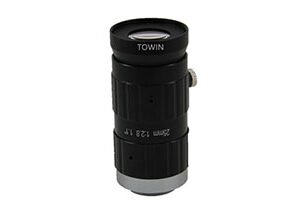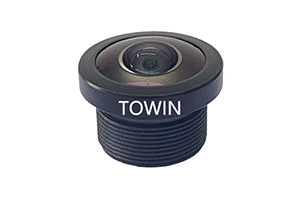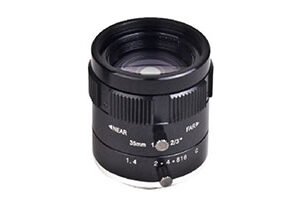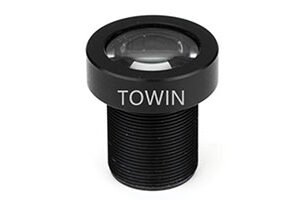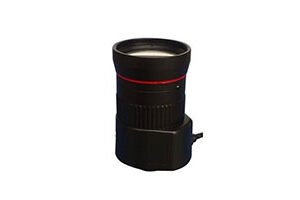


In industrial settings, machine vision systems are critical for quality control, automation, and precision manufacturing. However, environments with constant vibrations—such as automotive assembly lines, robotic workstations, or packaging facilities—pose significant challenges to imaging clarity. A Vibration-Resistant Industrial Lens is engineered to overcome these hurdles, ensuring consistent performance even under extreme motion.
Why Vibration Resistance Matters in Industrial Lenses
Traditional industrial lenses struggle in environments with vibrations, leading to blurred images, misaligned measurements, and unreliable data. A Vibration-Resistant Industrial Lens addresses this by incorporating advanced optical stabilization technology and robust mechanical design. These lenses minimize image distortion caused by movement, ensuring sharp, accurate visuals even when machinery operates at high speeds or in unstable conditions.
Vibration-Resistant Industrial Lenses are not just an upgrade—they’re a necessity for industries where downtime or errors due to poor imaging can cost thousands of dollars per hour. By maintaining focus and clarity, these lenses reduce waste, improve throughput, and enhance overall system reliability.
How Vibration-Resistant Industrial Lenses Work
Optical Stabilization: Internal gyroscopic sensors detect vibrations and adjust lens elements in real time to counteract movement. This active correction ensures images remain sharp, even during rapid shifts.
Mechanical Damping: The lens housing is designed with shock-absorbing materials and precision-engineered mounts to isolate the optical components from external vibrations. This passive layer of protection complements the active stabilization system.
Key Applications of Vibration-Resistant Industrial Lenses
- Automotive Manufacturing: Inspecting engine components or welding seams on assembly lines where vibrations from machinery are constant.
- Robotics: Guiding robotic arms in pick-and-place operations where precision is critical, and vibrations from motors could cause errors.
- Pharmaceuticals: Verifying pill counts or inspecting blister packs on vibrating conveyor systems to ensure compliance with safety standards.
- Food & Beverage: Sorting products by size, shape, or color on lines with high-frequency vibrations from sorting machines.
Advantages Over Traditional Industrial Lenses
- Enhanced Image Quality: Eliminates blur and ghosting, providing crisp visuals for accurate defect detection or measurement.
- Reduced Downtime: Fewer errors mean less rework and fewer system shutdowns for recalibration.
- Longer Lifespan: The robust design withstands harsh conditions, reducing replacement costs over time.
- Cost Efficiency: While initially pricier, the long-term savings from improved productivity and reduced waste justify the investment.
Choosing the Right Vibration-Resistant Industrial Lens
- Vibration Frequency Range: Ensure the lens can handle the dominant frequencies in your environment (e.g., 10–500 Hz for most industrial settings).
- Resolution Requirements: Higher-resolution lenses are better for detecting minute defects but may require more advanced stabilization.
- Mounting Compatibility: Verify the lens fits your camera system and can be securely attached to minimize slippage.
FAQs
What is the main difference between a vibration-resistant lens and a standard industrial lens?
A standard industrial lens lacks stabilization technology, making it prone to blur in vibrating environments. A Vibration-Resistant Industrial Lens uses active and passive systems to maintain image clarity despite motion.
Can vibration-resistant lenses work in extreme temperatures?
Yes, many models are designed to operate in temperatures ranging from -40°C to 85°C, making them suitable for both freezing warehouses and hot manufacturing floors.
How much do vibration-resistant industrial lenses cost?
Prices vary based on resolution, stabilization range, and brand, but expect to pay 30–50% more than standard lenses. The ROI from reduced errors and downtime often offsets the initial cost.
Do these lenses require special maintenance?
No, they’re built for durability and require the same cleaning and calibration as regular lenses. However, avoid dropping them, as shocks could damage internal stabilization components.
Are vibration-resistant lenses compatible with all machine vision cameras?
Most models use standard C-mount or F-mount interfaces, ensuring compatibility with popular cameras. Always check specifications before purchasing.
Conclusion
As industries push for faster, more precise automation, the demand for Vibration-Resistant Industrial Lenses will surge. These lenses are not just a tool—they’re a strategic asset that minimizes errors, boosts efficiency, and future-proofs operations against the challenges of dynamic environments.