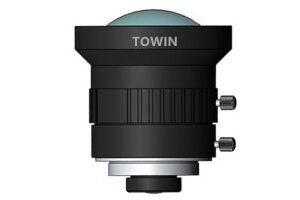


The logistics industry thrives on precision, speed, and reliability. To meet these demands, businesses are increasingly turning to advanced technologies like machine vision lenses, which play a pivotal role in streamlining operations. But what is the use of machine vision lenses in logistics? These specialized lenses, integrated with cameras and AI-driven software, enable machines to interpret visual data with human-like accuracy, revolutionizing tasks from inventory management to quality control.
What Are Machine Vision Lenses?
Machine vision lenses are optical components designed to capture high-resolution images for analysis by computer systems. Unlike standard lenses, they prioritize clarity, distortion control, and compatibility with sensors that detect light wavelengths beyond human visibility (e.g., infrared or ultraviolet). Paired with algorithms, these lenses help machines “see” and interpret environments, making them ideal for automation-heavy industries like logistics.
The Critical Role of Machine Vision Lenses in Logistics
1. Automated Sorting and Packaging
In distribution centers, machine vision lenses enable robots to sort packages by size, shape, or destination with near-perfect accuracy. For example, Amazon’s robotic systems use these lenses to scan barcodes and route items to the correct shipping container, reducing human error and processing times by up to 50%.
2. Inventory Management and Tracking
Manual inventory checks are time-consuming and prone to mistakes. Machine vision lenses automate this process by scanning shelves in real time, updating stock levels, and identifying misplaced items. Companies like Walmart have deployed vision systems to monitor inventory, cutting restocking times by 30% and minimizing out-of-stock scenarios.
3. Quality Control and Defect Detection
In manufacturing logistics, ensuring product quality is non-negotiable. Machine vision lenses inspect items for defects, such as scratches on electronics or irregularities in packaging. By capturing microscopic details, they detect flaws invisible to the human eye, reducing waste and improving customer satisfaction.
4. Autonomous Vehicle Navigation
Self-driving trucks and drones rely on machine vision lenses to navigate roads and warehouses. These lenses process visual data to avoid obstacles, read road signs, and optimize routes. For instance, logistics giant DHL uses vision-equipped drones to deliver medical supplies in remote areas, overcoming terrain challenges with precision.
5. Enhanced Security and Surveillance
Machine vision lenses bolster security by monitoring warehouses for unauthorized access or theft. Advanced systems can recognize faces, license plates, or suspicious behavior, triggering alerts in real time. This proactive approach reduces losses and ensures compliance with safety regulations.
Why Machine Vision Lenses Are a Game-Changer for Logistics
- Speed: Machines process visual data faster than humans, accelerating tasks like sorting and quality checks.
- Accuracy: Eliminating human error ensures consistent results, critical for high-stakes operations like pharmaceutical logistics.
- Cost Efficiency: While initial setup costs are high, long-term savings from reduced labor and waste outweigh expenses.
- Scalability: Vision systems can adapt to growing operations without compromising performance.
FAQs
How do machine vision lenses differ from regular camera lenses?
Machine vision lenses are engineered for industrial use, offering higher resolution, minimal distortion, and compatibility with specialized sensors. They’re also built to withstand harsh environments like dusty warehouses or extreme temperatures.
Can machine vision lenses work in low-light conditions?
Yes! Many lenses are designed to operate in low-light or infrared spectrums, making them ideal for nighttime surveillance or dark warehouse aisles.
What is the use of machine vision lenses in logistics for small businesses?
Small businesses can leverage machine vision lenses for affordable automation, such as barcode scanning or inventory tracking, leveling the playing field with larger competitors.
Are machine vision lenses difficult to integrate into existing systems?
Integration depends on the system’s complexity, but many solutions offer plug-and-play compatibility with existing hardware. Vendors often provide technical support to ease the transition.
What is the future of machine vision lenses in logistics?
The future is bright! Advancements in AI and 5G connectivity will enable real-time global supply chain visibility, predictive maintenance, and even more autonomous operations.
Conclusion
What is the use of machine vision lenses in logistics? The answer lies in their ability to transform chaotic, manual processes into streamlined, automated workflows. From reducing costs to enhancing accuracy, these lenses are redefining efficiency in an industry where every second counts.