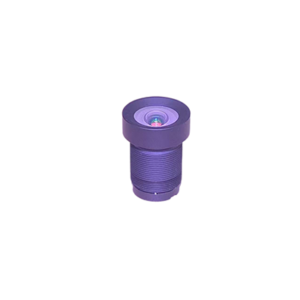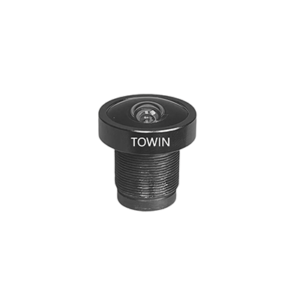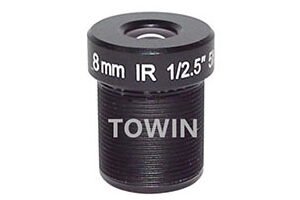


The mechanism of focal length change in a zoom lens is a marvel of optical engineering, enabling photographers and videographers to adjust their field of view without swapping lenses. This adaptability is critical for capturing dynamic scenes, from expansive landscapes to intimate portraits, with seamless transitions.
Towin, a leader in precision optics, has mastered this technology, offering zoom lenses that redefine versatility.
Understanding the Mechanism of Focal Length Change in a Zoom Lens
At its core, a zoom lens alters focal length by shifting internal lens groups along the optical axis. This movement changes the effective distance between the lens elements and the image sensor, modifying the angle of view. Unlike prime lenses with fixed focal lengths, zoom lenses rely on complex mechanical systems to ensure smooth, precise adjustments while maintaining image quality.
Key Components Involved:
- Lens Groups: Most zoom lenses consist of multiple groups of elements (e.g., front, variator, compensator, and relay groups). The variator group moves to change focal length, while the compensator group corrects for focus shifts.
- Cam Mechanism: A cam system translates rotational motion (from the zoom ring) into linear movement of lens groups. This ensures synchronized adjustments across the zoom range.
- Optical Design: Advanced coatings and aspherical elements minimize aberrations, ensuring sharpness and color accuracy throughout the zoom range.
Towin’s zoom lenses, such as the Towin ZF-Series, integrate these principles with proprietary technologies to deliver exceptional performance. For instance, the ZF-24-70mm F2.8 uses a floating lens group design to maintain consistent sharpness at all focal lengths, a critical feature for professional use.
Towin’s Zoom Lens Product Parameters and Features
1. Towin 24-70mm F2.8
- Focal Length Range: 24–70mm (35mm equivalent)
- Aperture Range: F2.8–F22
- Lens Groups: 16 elements in 12 groups (including 3 aspherical and 2 ED elements)
- Minimum Focusing Distance: 0.38m
- Filter Thread: 82mm
- Weight: 885g
Key Features:
- Parfocal Design: Maintains focus when zooming, ideal for video.
- Weather-Sealed Construction: Dust- and splash-resistant for outdoor use.
- Nano AR Coating: Reduces flare and ghosting.
2. Towin 70-200mm F4
- Focal Length Range: 70–200mm (35mm equivalent)
- Aperture Range: F4–F32
- Lens Groups: 20 elements in 15 groups (including 1 fluorite element)
- Minimum Focusing Distance: 1m
- Filter Thread: 77mm
- Weight: 790g
Key Features:
- Optical Image Stabilization: Compensates for camera shake.
- Internal Zooming: Maintains balance during use.
- Low Dispersion Glass: Minimizes chromatic aberration.
These lenses exemplify Towin’s commitment to innovation, combining lightweight designs with professional-grade optics.
FAQs
How does a zoom lens differ from a prime lens?
A zoom lens allows focal length adjustments, while a prime lens has a fixed focal length. Zoom lenses offer flexibility but are often bulkier due to their moving parts.
What causes image softening when zooming?
Poorly designed zoom lenses may suffer from lens breathing (focus shifts during zooming) or aberrations (e.g., chromatic or spherical). Towin’s parfocal designs and advanced coatings mitigate these issues.
Are zoom lenses suitable for astrophotography?
Yes, but only if they have fast apertures (e.g., F2.8) and minimal coma at wide angles. The Towin 24-70mm F2.8 excels in low-light conditions, making it a viable option.
Why do some zoom lenses “creep” (extend unintentionally)?
Gravity can cause lens groups to shift in lightweight zooms. Towin’s 70-200mm F4 features a locking zoom ring to prevent this.
Can I use filters with zoom lenses?
Absolutely. Towin’s zoom lenses include standard filter threads (e.g., 82mm on the 24-70mm), allowing polarizers or ND filters to be attached.
Why Choose Towin for Your Zoom Lens Needs?
Towin’s zoom lenses stand out for their optical precision, build quality, and user-centric designs. Whether you’re a professional filmmaker or an enthusiast, their products offer:
- Consistent Performance: Parfocal designs and weather sealing ensure reliability in any environment.
- Compact Form Factors: Lightweight materials reduce fatigue during extended shoots.
- Affordable Excellence: Towin balances cost with features, offering premium optics without the premium price tag.
Conclusion
The mechanism of focal length change in a zoom lens is a blend of physics and engineering, enabling unparalleled creative freedom. Towin’s innovations, such as parfocal designs and advanced coatings, elevate this technology, delivering lenses that are both versatile and reliable.