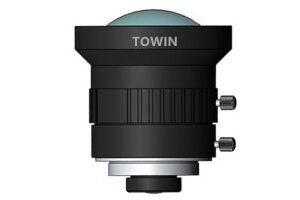


In the realm of 3D scanning, precision and speed are non-negotiable. Whether capturing intricate details of a historical artifact or ensuring flawless quality control in manufacturing, the technology behind 3D scanning must deliver unparalleled accuracy. Enter machine vision lenses—a cornerstone of modern 3D scanning systems.
The Core Role of Machine Vision Lenses in 3D Scanning
At its heart, 3D scanning relies on capturing multiple 2D images from different angles and stitching them into a cohesive 3D model. Machine vision lenses play a pivotal role in this process by ensuring each image is sharp, distortion-free, and consistent. Unlike standard lenses, machine vision lenses are optimized for industrial environments, offering features like:
- High resolution: Captures fine details critical for accurate 3D reconstruction.
- Low distortion: Minimizes warping, ensuring measurements remain precise.
- Wide depth of field: Maintains focus across varying distances, ideal for scanning uneven surfaces.
- Durability: Built to withstand harsh conditions like vibrations, dust, and extreme temperatures.
How Machine Vision Lenses Support 3D Scanning: Technical Breakdown
1. Enhanced Image Clarity for Precise Measurements
3D scanning systems use algorithms to calculate distances between points based on image data. If the images are blurry or distorted, the resulting 3D model will be inaccurate. Machine vision lenses mitigate this by delivering crisp, high-contrast images, even in low-light conditions. This clarity is essential for applications like reverse engineering, where every millimeter matters.
2. Reduced Distortion for Geometric Accuracy
Distortion occurs when lenses bend light in a way that warps images. For instance, barrel distortion makes straight lines appear curved. Machine vision lenses are designed with advanced optical coatings and lens geometries to minimize such errors. This ensures that scanned objects retain their true shape, a critical factor in fields like medical imaging, where prosthetics must fit perfectly.
3. Adaptability to Dynamic Environments
Many 3D scanning scenarios involve moving objects or changing lighting conditions. Machine vision lenses often feature auto-focus capabilities and fast aperture adjustments, allowing them to adapt in real time. This flexibility is invaluable in robotics, where a robot arm scanning a product on an assembly line must maintain focus despite rapid movements.
Applications of Machine Vision Lenses in 3D Scanning
1. Industrial Automation
In factories, machine vision lenses power 3D scanners that inspect products for defects, verify assembly accuracy, and guide robots. For example, a lens might scan a smartphone casing to ensure all components are aligned correctly before packaging.
2. Healthcare and Medical Imaging
3D scanning is revolutionizing healthcare, from creating custom orthotics to planning surgeries. Machine vision lenses enable scanners to capture detailed anatomical structures, aiding in diagnostics and treatment planning.
3. Cultural Heritage Preservation
Museums use 3D scanning to digitize artifacts for preservation and virtual exhibitions. Machine vision lenses ensure that even the smallest engravings or textures are captured with fidelity, allowing future generations to explore history in stunning detail.
Choosing the Right Machine Vision Lens for 3D Scanning
- Resolution: Higher resolution lenses capture finer details but may require more processing power.
- Focal length: Determines the field of view and working distance.
- Light sensitivity: Critical for scanning in low-light environments.
- Compatibility: Ensure the lens works with your camera and software.
FAQs
What is the main advantage of using machine vision lenses in 3D scanning?
Machine vision lenses provide superior image quality and minimal distortion, ensuring 3D models are accurate and reliable.
Can standard camera lenses be used for 3D scanning?
While possible, standard lenses lack the durability and precision of machine vision lenses, making them less suitable for industrial or high-stakes applications.
How do machine vision lenses support 3D scanning in robotics?
They enable robots to perceive their environment in 3D, improving navigation, object manipulation, and quality control.
What industries benefit most from machine vision lenses in 3D scanning?
Manufacturing, healthcare, automotive, aerospace, and cultural heritage preservation are among the top beneficiaries.
Are machine vision lenses expensive?
Costs vary based on specifications, but high-quality lenses are a worthwhile investment for applications requiring precision and reliability.
The Future of Machine Vision Lenses in 3D Scanning
As 3D scanning technology evolves, machine vision lenses will continue to push boundaries. Innovations like liquid lenses, which adjust focus electronically, and AI-driven image processing are set to enhance speed and accuracy further. Additionally, the rise of compact, affordable 3D scanners for consumer use may democratize access to this technology, with machine vision lenses playing a quiet yet critical role behind the scenes.
Conclusion
How do machine vision lenses support 3D scanning? By transforming raw visual data into precise, actionable insights. From ensuring flawless product quality to preserving cultural treasures, these lenses are the unsung heroes of the 3D scanning revolution.