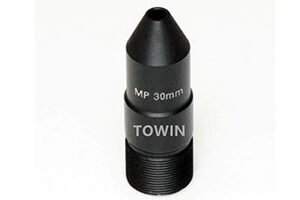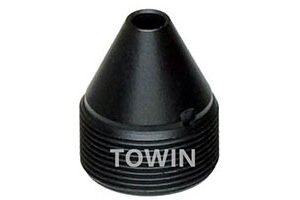


Aerial photography has evolved dramatically over the past decade, thanks to advancements in drone technology. Among the most revolutionary innovations is the drone camera pinhole lens, a compact yet powerful tool that redefines how we capture images from above.
What Is a Drone Camera Pinhole Lens?
A drone camera pinhole lens is a minimalist optical device that uses a tiny aperture to project light onto the camera sensor. Unlike traditional lenses, which rely on multiple glass elements to focus light, a pinhole lens simplifies the process by using a single, precisely sized hole. This design reduces bulk, enhances durability, and allows for unique photographic effects, such as infinite depth of field and reduced lens flare.
The pinhole lens’s compact size makes it ideal for drones, where weight and space are critical constraints. By integrating a pinhole lens into your drone’s camera setup, you can achieve stunning aerial shots without sacrificing flight time or stability.
Key Advantages of Using a Drone Camera Pinhole Lens
1. Lightweight and Portable
One of the most significant benefits of a drone camera pinhole lens is its lightweight construction. Traditional lenses can add substantial weight to a drone, reducing flight time and maneuverability. A pinhole lens, however, weighs next to nothing, allowing your drone to stay airborne longer and navigate tight spaces with ease.
2. Wide-Angle Views Without Distortion
Pinhole lenses naturally produce wide-angle images without the distortion commonly associated with fisheye or ultra-wide lenses. This makes them perfect for capturing expansive landscapes, cityscapes, or large-scale events from above.
3. Infinite Depth of Field
A pinhole lens provides an almost infinite depth of field, meaning everything from the foreground to the horizon remains in sharp focus. This is particularly useful for aerial photography, where you often want to capture as much detail as possible in a single frame.
4. Reduced Lens Flare and Aberrations
Traditional lenses can suffer from lens flare, chromatic aberration, and other optical issues, especially in bright lighting conditions. A drone camera pinhole lens minimizes these problems, delivering cleaner, more professional-looking images.
5. Cost-Effective Solution
High-quality drone lenses can be expensive, but pinhole lenses offer an affordable alternative without compromising on image quality. This makes them accessible to hobbyists and professionals alike.
How Does a Pinhole Lens Work in Drone Photography?
The science behind a drone camera pinhole lens is fascinating. Light enters through the tiny aperture and projects an inverted image onto the camera sensor. The smaller the pinhole, the sharper the image—but this also reduces the amount of light reaching the sensor. To compensate, drone cameras with pinhole lenses often use advanced sensors and image processing algorithms to enhance brightness and clarity.
This setup is particularly effective in well-lit environments, such as sunny days or brightly lit urban areas. For low-light conditions, some drones may require additional lighting or post-processing adjustments, but the results are still impressive given the lens’s simplicity.
Choosing the Right Drone Camera Pinhole Lens
- Aperture Size: Smaller apertures produce sharper images but require more light. Larger apertures allow more light but may reduce sharpness.
- Compatibility: Ensure the lens fits your drone’s camera mount and doesn’t interfere with its gimbal or stabilization system.
- Material Quality: Opt for lenses made from durable materials like stainless steel or high-grade plastic to withstand vibrations and environmental factors.
For those looking to explore further, reputable brands like DJI offer specialized pinhole lenses designed for their drone models. These lenses are engineered to deliver optimal performance while maintaining the drone’s balance and stability.
FAQs
What is the main drawback of a pinhole lens?
The primary limitation is the reduced light intake, which can make shooting in low-light conditions challenging. However, this can often be mitigated with post-processing or external lighting.
Can I use a pinhole lens on any drone?
Not all drones support pinhole lenses. Check your drone’s specifications or consult the manufacturer to ensure compatibility before purchasing a lens.
Are pinhole lenses better than traditional lenses for aerial photography?
It depends on your needs. Pinhole lenses excel in portability, cost, and wide-angle shots, while traditional lenses offer greater versatility and zoom capabilities.
Do pinhole lenses work well for video recording?
Yes! Many drone enthusiasts use pinhole lenses for aerial videography, particularly for capturing smooth, distortion-free footage of landscapes or large events.
How do I clean a pinhole lens?
Use a soft, lint-free cloth to gently wipe the lens surface. Avoid using harsh chemicals or abrasive materials, as these can scratch the lens.
Final Thoughts
The drone camera pinhole lens is a game-changer for anyone looking to capture stunning aerial images without the bulk and complexity of traditional lenses. Its lightweight design, wide-angle capabilities, and infinite depth of field make it an invaluable tool for photographers and filmmakers alike.