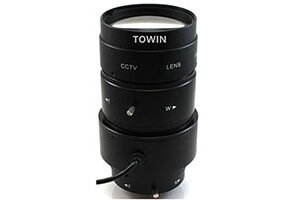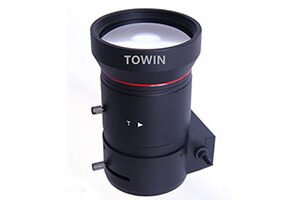


In the realm of modern surveillance, clarity and precision are non-negotiable. Whether monitoring a busy intersection, securing a commercial property, or safeguarding a residential area, the quality of footage captured by CCTV systems hinges on the performance of their lenses. One innovation that has revolutionized this field is the anti-reflective CCTV lens. Designed to minimize glare and maximize light transmission, these lenses ensure sharper images, even in challenging lighting conditions.
Why Anti-reflective CCTV Lenses Matter
The primary role of a CCTV lens is to focus light onto the camera sensor, translating real-world scenes into digital images. However, traditional lenses often struggle with reflections and glare, especially when exposed to direct sunlight, artificial lighting, or reflective surfaces like glass or metal. This results in washed-out footage, reduced contrast, and missed details—critical flaws in security applications.
An anti-reflective CCTV lens addresses this issue by incorporating specialized coatings that reduce light reflection. These coatings, often made from materials like magnesium fluoride or multi-layer nanostructures, allow up to 99% of light to pass through the lens. This enhances image brightness, sharpness, and color accuracy, even in low-light or high-contrast environments.
Key Features of Anti-reflective CCTV Lenses
- 1. Glare Reduction: By minimizing reflections, these lenses eliminate unwanted light artifacts that obscure critical details.
- 2. Improved Light Transmission: More light reaches the sensor, enhancing image quality in dimly lit areas.
- 3. Enhanced Contrast: Reduced glare ensures deeper blacks and brighter whites, improving visibility of objects in shadows.
- 4. Durability: Anti-reflective coatings are scratch-resistant and weatherproof, ensuring long-term performance in outdoor settings.
- 5. Compatibility: These lenses work seamlessly with various CCTV camera types, including dome, bullet, and PTZ models.
Applications of Anti-reflective CCTV Lenses
- Urban Surveillance: Cities rely on CCTV to monitor traffic, public spaces, and critical infrastructure. Anti-reflective lenses ensure clear footage even under streetlights or sunlight.
- Retail Security: Stores use CCTV to deter theft and track customer behavior. Glare-free lenses capture facial features and product details with precision.
- Industrial Monitoring: Factories and warehouses often have reflective surfaces or low-light conditions. Anti-reflective lenses maintain clarity in these challenging environments.
- Residential Security: Homeowners benefit from enhanced night vision and reduced glare when monitoring driveways or entry points.
How Anti-reflective Coatings Work
The science behind anti-reflective coatings is rooted in optics. When light hits a lens, some of it reflects off the surface, creating glare. Anti-reflective coatings use destructive interference to cancel out these reflections. By applying layers of materials with varying refractive indices, the coatings ensure that reflected light waves destructively interfere with one another, reducing overall reflection.
Choosing the Right Anti-reflective CCTV Lens
- Focal Length: Determine the desired field of view (wide-angle for large areas, telephoto for distant objects).
- Aperture Size: A larger aperture (lower f-number) allows more light, improving low-light performance.
- Coating Quality: Opt for multi-layer coatings for maximum light transmission and durability.
- Weather Resistance: Ensure the lens is rated for outdoor use if needed.
For instance, the Tamron Anti-Reflective CCTV Lens Series offers a range of options tailored to different surveillance needs, combining advanced coatings with rugged design.
FAQs
What is the main advantage of an anti-reflective CCTV lens?
The primary benefit is reduced glare, which enhances image clarity and detail, especially in bright or reflective environments.
Do anti-reflective lenses work in low-light conditions?
Yes! By improving light transmission, these lenses capture more light, making them effective in dimly lit areas.
Are anti-reflective coatings durable?
Modern coatings are scratch-resistant and weatherproof, ensuring long-term performance even in harsh conditions.
Can I retrofit an anti-reflective lens to my existing CCTV camera?
In most cases, yes. Anti-reflective lenses are available in standard sizes and mounts, making them compatible with many CCTV systems.
How do anti-reflective lenses compare to polarizing filters?
While polarizing filters reduce glare from specific angles, anti-reflective coatings provide broader glare reduction across all angles, making them more versatile for surveillance.
Conclusion
In an era where security and surveillance are paramount, the anti-reflective CCTV lens stands out as a critical innovation. By eliminating glare and enhancing image quality, these lenses ensure that every detail is captured with precision, day or night.