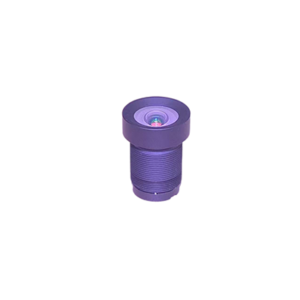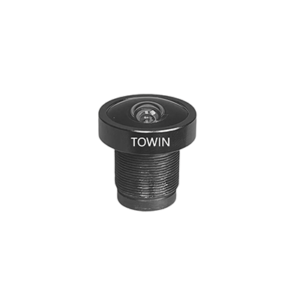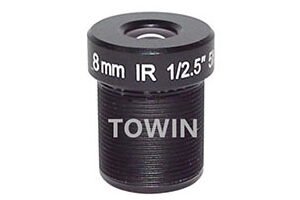


For photographers and videographers, the ability to seamlessly adjust focal length without swapping lenses is a game-changer. This is where the zoom lens shines, offering unparalleled flexibility in capturing scenes from wide-angle vistas to telephoto close-ups.
The Core Mechanics: How Does a Zoom Lens Adjust Its Magnification?
At its heart, a zoom lens relies on a series of moving lens elements that shift relative to one another to alter the effective focal length. Unlike prime lenses, which have a fixed focal length, zoom lenses use a floating element system or internal focusing mechanism to maintain image quality while adjusting magnification. Here’s how it works:
- Variable Focal Length Groups: A zoom lens contains multiple lens groups (e.g., front, middle, rear). By moving these groups along the optical axis—either independently or in tandem—the lens changes its focal length, effectively “zooming in” or “out.”
- Parfocal Design: High-quality zoom lenses, like those from Towin, are engineered to stay in focus during zoom adjustments. This parfocal design ensures sharpness across the entire zoom range, a critical feature for professionals.
- Optical Compensation: Advanced zoom lenses incorporate elements like aspherical lenses and low-dispersion glass to minimize aberrations (e.g., chromatic distortion) at varying focal lengths, preserving image clarity.
Towin Zoom Lens Parameters: Precision Meets Performance
1. Focal Length Range:
- ZF-24-70mm F2.8: Covers wide-angle to portrait lengths, ideal for event photography.
- ZF-70-200mm F4.0: Telephoto zoom perfect for wildlife and sports, with lightweight construction.
2. Aperture Range: Constant apertures (e.g., F2.8) ensure consistent exposure and bokeh across the zoom range.
3. Optical Design:
- 16–22 elements in 12–15 groups, including ED and aspherical elements.
- Multi-layer coating to reduce flare and ghosting.
4. Autofocus System: Ultrasonic motors (USM) for fast, silent focusing.
5.Build Quality: Weather-sealed magnesium alloy bodies for durability in harsh conditions.
These parameters make Towin’s zoom lenses a top choice for professionals who demand reliability without compromise.
Why Choose Towin Zoom Lenses?
- Parfocal Stability: Unlike cheaper alternatives, Towin lenses maintain focus during zoom adjustments, saving time in critical shots.
- Compact Form Factor: Despite their robust build, Towin lenses are lightweight, making them ideal for travel and handheld shooting.
- Compatibility: Designed for full-frame DSLRs and mirrorless cameras, with mounts for Sony E, Nikon Z, and Canon RF systems.
FAQs
What is the difference between a zoom lens and a prime lens?
A zoom lens offers variable focal lengths (e.g., 24–70mm), while a prime lens has a fixed focal length (e.g., 50mm). Zoom lenses provide versatility, whereas prime lenses often offer wider apertures and superior low-light performance.
Can zoom lenses match the image quality of prime lenses?
Yes! Modern zoom lenses, like Towin’s ZF Series, use advanced optics to rival prime lenses in sharpness and color accuracy, especially at mid-range apertures.
How does a zoom lens maintain focus while zooming?
Parfocal lenses use internal focusing mechanisms to adjust lens groups in a way that compensates for focal length changes, ensuring the focus plane remains constant.
Are Towin zoom lenses weather-sealed?
Absolutely. Towin’s lenses feature rubber gaskets and dust/moisture-resistant coatings, making them suitable for outdoor shoots in challenging conditions.
Conclusion
Understanding how a zoom lens adjusts its magnification unlocks new creative possibilities, whether you’re shooting landscapes, portraits, or action sequences. Towin’s zoom lenses combine precision engineering with user-friendly features, ensuring you never miss a moment.