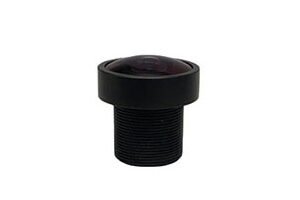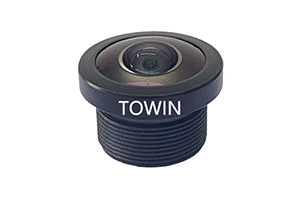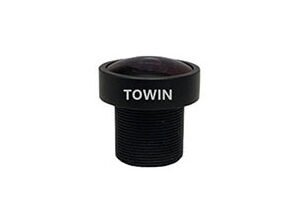


Photography and filmmaking thrive on innovation, and few tools deliver as much creative potential as a Professional-Grade Fisheye Lens. Designed to produce extreme wide-angle views with distinctive barrel distortion, these lenses transform ordinary scenes into dynamic, immersive visuals.
What Is a Professional-Grade Fisheye Lens?
A Professional-Grade Fisheye Lens is a specialized optic engineered to capture images with a 180-degree (or near-180-degree) field of view. Unlike standard wide-angle lenses, fisheyes intentionally distort straight lines into curves, creating a spherical, panoramic effect. This distortion, often called “barrel distortion,” is not a flaw but a deliberate design choice that adds drama and uniqueness to photos and videos.
Professional-grade models differ from consumer-grade alternatives in build quality, optical precision, and durability. They feature advanced coatings to minimize flare, robust construction to withstand harsh environments, and precise manual controls for creative flexibility. These lenses are built to deliver sharp, high-contrast images even in challenging lighting conditions, making them a staple in professional workflows.
Key Features of a Professional-Grade Fisheye Lens
1. Ultra-Wide Field of View:
The defining trait of a fisheye lens is its ability to capture nearly everything in front of the camera. This makes it ideal for shooting expansive landscapes, crowded cityscapes, or tight interior spaces where traditional lenses fall short.
2. Distinctive Distortion:
The curved lines and exaggerated perspectives create a surreal, almost otherworldly aesthetic. This effect is particularly popular in skateboarding, surfing, and music videos, where dynamic movement and energy are paramount.
3. High-Quality Optics:
Professional-grade lenses use premium glass elements and multi-layer coatings to reduce chromatic aberration, ghosting, and flare. This ensures crisp, vibrant images with minimal post-processing required.
4. Durable Build:
Built to endure professional use, these lenses often feature weather-sealing, metal mounts, and rugged exteriors. They’re designed to perform reliably in rain, dust, or extreme temperatures.
5. Manual Focus Control:
While some fisheye lenses offer autofocus, professionals often prefer manual focus for precise control over depth of field and composition.
How to Use a Professional-Grade Fisheye Lens Effectively
1. Get Close to Your Subject:
Fisheye lenses exaggerate proximity, so filling the frame with your subject creates maximum impact. Experiment with angles to highlight textures or patterns.
2. Embrace the Distortion:
Instead of fighting the curved lines, use them creatively. For example, position horizontal lines (like the horizon) near the center of the frame to minimize distortion.
3. Shoot Vertical for Unique Perspectives:
Turning your camera 90 degrees can transform a scene, creating a vertical panorama that draws the eye upward or downward.
4. Use It for Abstract Art:
The distortion of a fisheye lens can turn everyday objects into abstract masterpieces. Look for repeating shapes or bold colors to emphasize.
5. Combine with Other Lenses:
Pair your fisheye with a telephoto or macro lens to add variety to your portfolio. This versatility is why many professionals consider a Professional-Grade Fisheye Lens a must-have.
FAQs
What is the difference between a circular and full-frame fisheye lens?
A circular fisheye lens projects a circular image onto the sensor, surrounded by black borders, while a full-frame fisheye fills the entire frame with a distorted, rectangular image.
Can I use a fisheye lens for portraits?
Yes, but with caution. The extreme distortion can make facial features appear unnatural unless the subject is positioned carefully. It’s best suited for creative, artistic portraits rather than traditional headshots.
Are fisheye lenses good for video?
Absolutely! Many filmmakers use fisheye lenses for action sequences, music videos, or establishing shots to convey a sense of scale or chaos. The distortion adds a dynamic, energetic feel to footage.
Do fisheye lenses work with crop-sensor cameras?
Yes, but the effective focal length will change due to the crop factor. For example, a 10mm fisheye on a crop-sensor camera may behave like a 15mm lens, reducing the field of view slightly.
How do I correct fisheye distortion in post-processing?
Software like Adobe Lightroom or Photoshop offers lens correction profiles to minimize distortion. However, many professionals prefer to embrace the distortion as part of the fisheye’s unique aesthetic.
Final Thoughts
A Professional-Grade Fisheye Lens is more than just a novelty—it’s a powerful tool for storytelling. Its ability to capture vast scenes with dramatic flair makes it indispensable for photographers and filmmakers looking to push boundaries.