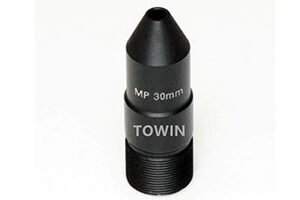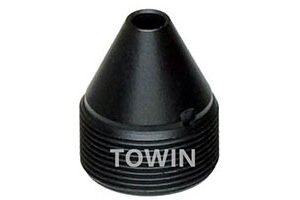


The world beneath the waves is a mesmerizing realm of vibrant colors, unique textures, and elusive creatures. For photographers and marine enthusiasts, capturing this beauty requires specialized equipment—and the underwater camera pinhole lens is emerging as a game-changer. Unlike traditional lenses, the pinhole lens offers a minimalist approach to underwater imaging, combining simplicity with remarkable results.
What Is an Underwater Camera Pinhole Lens?
A pinhole lens is a tiny aperture lens that relies on a single, minuscule opening to project light onto the camera sensor. Unlike multi-element lenses, which use glass or plastic components to focus light, a pinhole lens creates images through diffraction—a phenomenon where light bends around the edges of the aperture. This design eliminates the need for complex mechanics, making the underwater camera pinhole lens incredibly compact, lightweight, and resistant to water pressure.
How Does the Underwater Camera Pinhole Lens Work?
The science behind the underwater camera pinhole lens is elegantly simple. Light enters through the pinhole and projects an inverted image onto the sensor. The smaller the aperture, the sharper the image—though this also reduces brightness. To compensate, underwater pinhole lenses are often paired with high-ISO sensors or external lighting.
One key benefit is their infinite depth of field. Unlike traditional lenses, which require focusing, a pinhole lens renders everything from inches to infinity in sharp focus. This is particularly useful for underwater scenes, where subjects may be scattered at varying distances.
Top 5 Benefits of the Underwater Camera Pinhole Lens
1. Durability in Extreme Conditions
The underwater camera pinhole lens has no delicate glass elements or moving parts, making it resistant to shocks, scratches, and pressure changes. This robustness ensures reliable performance even at depths exceeding 100 feet.
2. Compact and Lightweight Design
Traditional underwater housing systems for DSLR lenses can be bulky and heavy. The underwater camera pinhole lens, however, fits into tiny compartments, reducing drag for divers and simplifying transportation.
3. Cost-Effective Alternative
High-end underwater lenses can cost thousands of dollars. The underwater camera pinhole lens offers a budget-friendly option without sacrificing quality, making it accessible to beginners and professionals alike.
4. Unique Artistic Effects
Pinhole lenses produce a soft, dreamy aesthetic with subtle vignetting and reduced sharpness. This artistic flair adds character to underwater shots, transforming ordinary scenes into ethereal masterpieces.
5. Low Maintenance Requirements
With no moving parts or glass surfaces, the underwater camera pinhole lens requires minimal upkeep. A simple rinse with freshwater after dives is often enough to keep it in pristine condition.
Common Applications of the Underwater Camera Pinhole Lens
- Marine Biology Research: Scientists use the underwater camera pinhole lens to document coral reefs, fish behavior, and microorganism activity without disturbing the ecosystem.
- Scuba Diving Photography: Divers capture the beauty of shipwrecks, kelp forests, and marine life with ease, thanks to the lens’s compact size and infinite depth of field.
- Underwater Videography: Filmmakers leverage the lens’s unique aesthetic to create surreal, otherworldly footage for documentaries or artistic projects.
- Environmental Monitoring: Conservationists track pollution levels and habitat changes by photographing underwater environments with minimal equipment.
How to Choose the Right Underwater Camera Pinhole Lens
- Aperture Size: Smaller apertures (e.g., f/128) produce sharper images but require longer exposure times. Larger apertures (e.g., f/32) offer brighter images with softer focus.
- Material Quality: Opt for corrosion-resistant materials like stainless steel or anodized aluminum to ensure longevity in saltwater.
- Compatibility: Ensure the lens fits your camera model or underwater housing system. Some lenses are universal, while others are designed for specific brands.
- Lighting Options: Since pinhole lenses struggle in low light, invest in underwater strobes or LED lights to enhance image brightness.
FAQs
Can the underwater camera pinhole lens capture fast-moving subjects?
Yes, but with limitations. The lens’s small aperture requires slower shutter speeds, which may blur fast-moving creatures. Pair it with a high-speed camera or external lighting to mitigate this issue.
Is the underwater camera pinhole lens suitable for professional use?
Absolutely! Many professionals use pinhole lenses for creative projects or situations where traditional lenses are impractical. Its unique aesthetic also adds value to commercial work like advertising or art installations.
How deep can the underwater camera pinhole lens go?
Most models are rated for depths of 30–100 feet, but some high-end options can withstand pressures exceeding 300 feet. Always check the manufacturer’s specifications before diving.
Does the underwater camera pinhole lens work with smartphones?
Yes! Several adapters allow you to attach a pinhole lens to your smartphone’s camera, turning it into a versatile underwater imaging tool.
What’s the main drawback of the underwater camera pinhole lens?
The primary limitation is light sensitivity. In dimly lit environments, images may appear underexposed or grainy. Using supplemental lighting or shooting in bright conditions can help overcome this challenge.
Final Thoughts
The underwater camera pinhole lens is a revolutionary tool that combines simplicity, durability, and artistic potential. Whether you’re exploring coral reefs, documenting marine life, or capturing surreal underwater landscapes, this lens delivers unparalleled results. Its compact design, low maintenance, and cost-effectiveness make it an essential addition to any diver’s gear kit.