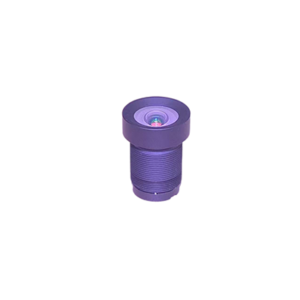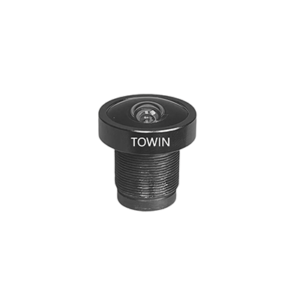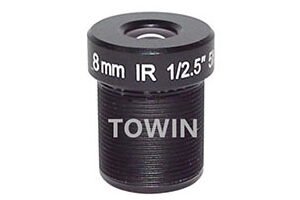


Photography enthusiasts and professionals alike understand the importance of having the right gear. Among the most versatile tools in any photographer’s arsenal is the zoom lens. Whether you’re capturing landscapes, portraits, or action shots, a zoom lens offers unparalleled flexibility.
What Are the Advantages of Using a Zoom Lens?
A zoom lens is designed to adjust its focal length, allowing photographers to switch between wide-angle and telephoto perspectives without changing lenses. This adaptability is what sets it apart from prime lenses, which have fixed focal lengths.
1. Versatility in Composition
One of the most significant advantages of using a zoom lens is its ability to adapt to diverse shooting scenarios. From capturing sweeping landscapes at 18mm to zooming in on distant wildlife at 200mm, a zoom lens eliminates the need to carry multiple prime lenses. This versatility is especially useful in fast-paced environments, such as weddings or sports events, where switching lenses can cost precious moments.
2. Cost-Effectiveness Compared to Multiple Prime Lenses
Investing in a high-quality zoom lens can be more economical than purchasing several prime lenses to cover the same focal range.
Additionally, zoom lenses often come with advanced features like image stabilization and autofocus, which might not be available in budget-friendly prime lenses.
3. Time Efficiency During Shoots
Changing lenses mid-shoot can be cumbersome, especially in challenging conditions like rain, dust, or low light. A zoom lens eliminates this hassle, allowing you to adjust focal lengths instantly. This efficiency is invaluable for street photographers or travelers who need to act quickly to capture spontaneous moments.
4. Improved Image Stabilization
Many modern zoom lenses incorporate built-in optical image stabilization (OIS), which reduces camera shake and produces sharper images, especially at longer focal lengths. This feature is particularly beneficial when shooting handheld in low-light conditions or at high magnifications.
5. Enhanced Creativity with Framing Options
A zoom lens empowers photographers to experiment with different perspectives without physically moving. This capability opens up creative possibilities, such as compressing background elements for a bokeh effect or emphasizing patterns in a landscape.
6. Lightweight and Portable Design
While some professional zoom lenses can be heavy, many consumer-grade models are designed to be lightweight and compact. This portability makes them ideal for travelers or photographers who prefer to travel light.
7. Better for Video Production
Zoom lenses are a staple in videography due to their smooth focal length transitions. Unlike prime lenses, which require physical movement to reframe a shot, a zoom lens allows filmmakers to adjust composition on the fly, creating dynamic sequences without interruptions.
FAQs
Are zoom lenses suitable for beginners?
Absolutely! Zoom lenses are beginner-friendly because they eliminate the need to switch lenses frequently. They also help new photographers explore different focal lengths and compositions without investing in multiple prime lenses.
Do zoom lenses compromise image quality?
Not necessarily. While some budget zoom lenses may exhibit softness at extreme focal lengths, high-end models like the Canon EF 24-70mm f/2.8L II USM deliver sharpness comparable to prime lenses across their entire range.
Can zoom lenses be used for astrophotography?
Yes, but with limitations. Fast aperture zoom lenses (e.g., f/2.8) can capture stars and nebulae, though prime lenses with wider apertures (e.g., f/1.4) are often preferred for their light-gathering capabilities.
What are the disadvantages of using a zoom lens?
Potential drawbacks include higher cost for professional models, bulkier designs, and slightly slower maximum apertures compared to prime lenses. However, the advantages of using a zoom lens often outweigh these limitations for most users.
How do I choose the right zoom lens?
Consider your shooting style and budget. For general-purpose photography, a 24-70mm or 18-135mm zoom lens is a great starting point. For wildlife or sports, a 70-200mm telephoto zoom is ideal.
Conclusion
The advantages of using a zoom lens are clear: versatility, cost-effectiveness, time efficiency, and creative freedom make it an essential tool for photographers and videographers alike. Whether you’re shooting landscapes, portraits, or action, a zoom lens provides the flexibility to adapt to any situation without compromising image quality.