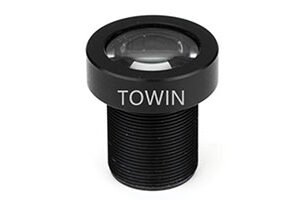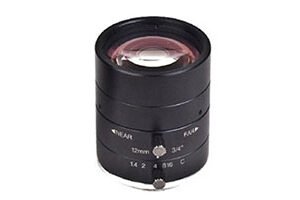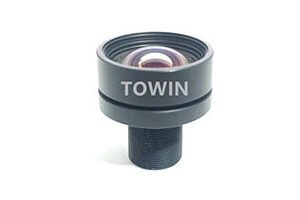


In the world of optics, achieving flawless image quality is non-negotiable. Whether you’re a professional photographer, filmmaker, or engineer, high-end low distortion lenses are your gateway to unparalleled precision. These lenses are engineered to eliminate warping, bending, or skewing of images, ensuring every detail remains sharp and true-to-life.
What Are High-End Low Distortion Lenses?
High-end low distortion lenses are premium optical components designed to minimize geometric distortions, such as barrel distortion (where straight lines bow outward) or pincushion distortion (where lines bow inward). Unlike standard lenses, which may compromise image integrity, these advanced models use specialized glass elements and coating technologies to maintain accuracy across the entire frame.
Why Choose High-End Low Distortion Lenses?
1. Unmatched Image Clarity:
Low distortion lenses preserve the integrity of straight lines and angles, making them ideal for capturing real-world scenes without artificial warping. This is crucial for applications like product photography, where even slight distortions can misrepresent dimensions.
2. Enhanced Professional Credibility:
For filmmakers and photographers, image quality directly impacts their reputation. High-end low distortion lenses ensure every shot meets industry standards, reducing post-production corrections and saving time.
3. Versatility Across Industries:
Beyond creative fields, these lenses are used in machine vision, surveillance, and medical imaging. Their ability to provide accurate, distortion-free visuals makes them indispensable in technical environments.
4. Long-Term Cost Efficiency:
While high-end low distortion lenses come with a higher upfront cost, their durability and precision reduce the need for frequent replacements or extensive editing workflows.
Key Features of High-End Low Distortion Lenses
- Aspherical Elements: These specially shaped glass pieces counteract distortion by focusing light more efficiently than traditional spherical lenses.
- Multi-Coating Technology: Anti-reflective coatings reduce glare and chromatic aberration, ensuring colors remain vibrant and true.
- Robust Build Quality: High-end models often feature weather-sealed designs to withstand harsh conditions, making them suitable for outdoor shoots.
- Wide Aperture Ranges: Many low distortion lenses offer wide apertures (e.g., f/1.4–f/2.8), allowing for excellent low-light performance without sacrificing sharpness.
Applications of High-End Low Distortion Lenses
1. Architecture and Real Estate Photography:
Capturing buildings with straight lines and accurate proportions is effortless with these lenses. For example, the Canon TS-E 24mm f/3.5L II is a popular choice among professionals for its tilt-shift capabilities and minimal distortion.
2. Product and E-Commerce Imaging:
Online retailers rely on distortion-free images to showcase products accurately. High-end lenses ensure customers see items as they truly are, reducing return rates.
3. Filmmaking and Cinematography:
Directors and DPs use low distortion lenses to maintain visual consistency, especially in wide-angle shots where distortions are most noticeable.
4. Scientific and Industrial Imaging:
In fields like microscopy or robotics, these lenses provide the precision needed for data analysis and quality control.
How to Choose the Right High-End Low Distortion Lens
- Focal Length: Select a focal length that matches your shooting style. Wide-angle lenses (e.g., 14–35mm) excel in landscapes, while mid-range options (50–85mm) are versatile for portraits and product shots.
- Mount Compatibility: Ensure the lens fits your camera body.
- Budget: High-end low distortion lenses range from 1,000 to 5,000+. Prioritize features like weather sealing and aperture range based on your needs.
FAQs
Are high-end low distortion lenses worth the extra cost?
Absolutely. For professionals, the investment pays off in reduced editing time, higher-quality output, and client satisfaction. Hobbyists may find standard lenses sufficient, but serious creators will appreciate the difference.
Can I use low distortion lenses for astrophotography?
Yes! Many high-end models, like the Rokinon 14mm f/2.8, are excellent for capturing the night sky with minimal coma (star distortion) at the edges of the frame.
Do low distortion lenses work with all camera types?
Most modern lenses are designed for mirrorless or DSLR systems, but compatibility varies by brand and mount type. Always check specifications before purchasing.
How do I test a lens for distortion?
Shoot a grid pattern or a scene with straight lines (e.g., a brick wall) and review the image for warping. Software tools like Lightroom also offer distortion correction profiles for reference.
Final Thoughts
High-end low distortion lenses are a cornerstone of professional imaging, offering unmatched precision and reliability. Whether you’re shooting for a client, documenting critical data, or creating art, these lenses elevate your work to new heights.