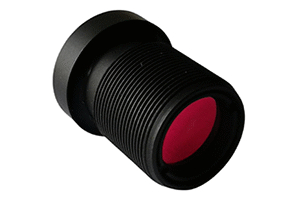


The automotive industry is evolving rapidly, with manufacturers prioritizing safety, durability, and performance. One critical component that plays a pivotal role in achieving these goals is the Automotive lens. From headlights and taillights to camera systems and sensors, automotive lenses must withstand harsh environmental conditions, including extreme temperatures. This is where the concept of a thermally stable automotive lens becomes indispensable.
Why Thermally Stable Automotive Lenses Matter
In modern vehicles, lenses are exposed to fluctuating temperatures, from scorching summer heat to freezing winter cold. Traditional lenses made from standard plastics or glass can warp, crack, or lose clarity under such stress, compromising visibility and safety. A thermally stable automotive lens, however, is engineered to resist thermal expansion and contraction, maintaining its shape and optical properties across a wide temperature range.
This stability is achieved through advanced materials like polycarbonate blends, silicone-based polymers, and specialized coatings. These materials not only endure extreme heat and cold but also resist UV degradation, chemical exposure, and impact damage.
Key Features of a Thermally Stable Automotive Lens
- High-Temperature Resistance: Unlike conventional lenses, a thermally stable automotive lens can operate in temperatures exceeding 120°C (248°F) without deforming. This is crucial for headlights, where intense heat from bulbs or LEDs can damage inferior materials.
- Low-Temperature Flexibility: In freezing conditions, these lenses remain pliable, preventing brittleness and cracking. This is especially important for taillights and side mirrors, which are vulnerable to impact from road debris.
- Optical Clarity: Thermal stability ensures minimal distortion, even under extreme conditions. This is vital for camera systems used in advanced driver-assistance systems (ADAS), where clarity directly impacts safety.
- Durability: These lenses resist scratches, abrasions, and chemical corrosion, extending their lifespan and reducing the need for replacements.
Applications of Thermally Stable Automotive Lenses
- Headlights & Taillights: These lenses maintain their shape and brightness, ensuring consistent illumination in all weather conditions.
- ADAS Cameras: Thermal stability prevents lens distortion, which could otherwise mislead sensors and compromise functions like lane departure warnings or automatic emergency braking.
- Interior Displays: Projection lenses in heads-up displays (HUDs) and infotainment systems benefit from thermal stability, ensuring crisp visuals even in direct sunlight.
- Sensor Covers: Lenses protecting LiDAR and radar sensors must remain clear and undistorted to function accurately, a requirement met by thermally stable designs.
How Manufacturers Ensure Thermal Stability
- Material Selection: Engineers choose polymers like polycarbonate (PC) or polymethyl methacrylate (PMMA) for their inherent thermal resistance. These are often blended with additives to enhance performance further.
- Coating Technology: Anti-reflective (AR) and hard coatings protect lenses from scratches and UV damage while improving light transmission.
- Precision Molding: Advanced injection molding techniques ensure uniform thickness and minimal internal stresses, reducing the risk of warping.
- Testing & Validation: Lenses undergo rigorous thermal cycling tests, exposing them to rapid temperature changes to simulate real-world conditions.
FAQs
What makes an automotive lens thermally stable?
A thermally stable automotive lens is made from materials that resist expansion or contraction under temperature changes, such as specialized polymers or glass blends. These materials maintain their shape and optical properties, ensuring consistent performance.
How do thermally stable lenses improve safety?
By preventing distortion, cracking, or fogging, these lenses ensure clear visibility for drivers and accurate data for ADAS sensors. This reduces the risk of accidents caused by impaired vision or sensor malfunctions.
Are thermally stable lenses more expensive?
While the initial cost may be higher, their durability and reduced maintenance needs make them cost-effective in the long run. They also enhance vehicle safety, which can lower insurance premiums and accident-related expenses.
Can thermally stable lenses be recycled?
Yes! Many advanced polymers used in these lenses are recyclable, aligning with the automotive industry’s push for sustainability. Manufacturers are increasingly adopting eco-friendly materials without compromising performance.
Do all vehicles use thermally stable lenses?
Not yet, but their adoption is growing rapidly. Luxury and electric vehicles (EVs) are leading the way, as they prioritize cutting-edge technology and long-term reliability. However, even budget-friendly models are incorporating these lenses to meet safety regulations.
The Future of Thermally Stable Automotive Lenses
As vehicles become smarter and more connected, the demand for high-performance lenses will surge. Thermally stable automotive lenses will play a central role in this transformation, enabling features like augmented reality (AR) head-up displays, 360-degree camera systems, and autonomous driving technologies.
Conclusion
A thermally stable automotive lens is not just a component; it’s a safety-critical innovation that ensures vehicles perform reliably in every condition. By combining advanced materials, precision engineering, and rigorous testing, manufacturers are delivering lenses that enhance visibility, durability, and driver confidence.