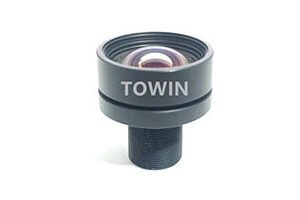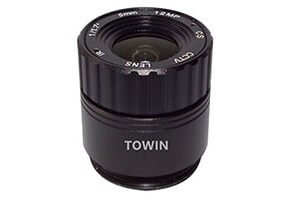


Fixed focus lenses are a staple in industries ranging from surveillance to industrial automation, where simplicity and reliability outweigh the need for adjustable focus. However, when selecting a fixed focus lens, one of the most common pitfalls is conflating megapixel ratings with actual resolution needs.
Understanding Fixed Focus Lenses: Megapixel Rating vs. Actual Resolution Needs
Fixed focus lenses are designed to maintain sharpness at a specific distance, eliminating the need for manual or automatic focusing mechanisms. This makes them ideal for applications where the subject distance is consistent, such as license plate recognition, quality control inspections, or drone cameras.
But here’s the catch: a lens’s megapixel rating—often touted as a measure of its sharpness—doesn’t always align with the resolution you actually need. For instance, a 5-megapixel lens might sound superior to a 2-megapixel one, but if your camera sensor or application doesn’t require that level of detail, you’re paying for unused capability.
The Megapixel Myth: Why Higher Isn’t Always Better
Megapixel ratings indicate the number of pixels a lens can theoretically resolve. However, this figure is often calculated under ideal conditions, such as perfect lighting, minimal distortion, and optimal subject distance. In real-world scenarios, factors like sensor size, lighting, and environmental noise can degrade image quality, rendering high megapixel counts less relevant.
Key Factors Influencing Resolution Needs
1. Sensor Size and Pixel Density
The resolution a lens can deliver is constrained by the camera sensor’s pixel density. A high-megapixel lens paired with a low-resolution sensor won’t magically improve image quality. Instead, focus on matching the lens’s resolving power to the sensor’s capabilities.
2. Subject Distance and Field of View
Fixed focus lenses excel at maintaining sharpness within a predefined range. If your application requires capturing details at varying distances, a fixed focus lens might not be the best choice, regardless of its megapixel rating.
3. Lighting Conditions
Low-light environments demand lenses with wider apertures and better light transmission, even if their megapixel count is lower. Prioritize lenses optimized for your lighting conditions over those with inflated specs.
4. Application-Specific Requirements
A surveillance camera monitoring a parking lot doesn’t need the same resolution as a machine vision system inspecting microchips. Define your resolution needs based on the smallest detail you must capture, not industry hype.
How to Choose the Right Fixed Focus Lens
1. Calculate Your Required Resolution
Determine the smallest feature size you need to resolve and work backward to find the necessary pixel count. For example, if you need to detect a 1mm defect from 2 meters away, a 2-megapixel lens might suffice, depending on sensor size.
2. Test Lenses in Real-World Conditions
Megapixel ratings are theoretical; real-world performance varies. Always test lenses under your actual operating conditions to assess sharpness, contrast, and distortion.
3. Consider Cost vs. Benefit
Higher-megapixel lenses are often more expensive. If your application doesn’t benefit from the extra resolution, opt for a cost-effective model that meets your needs without excess.
4. Check Compatibility
Ensure the lens’s mount, focal length, and sensor format align with your camera. For example, a C-mount lens won’t fit a CS-mount camera without an adapter, which could affect image quality.
FAQs
Can a high-megapixel lens compensate for a low-resolution sensor?
No. The lens’s resolving power is limited by the sensor’s pixel density. A high-megapixel lens won’t improve image quality if the sensor can’t utilize the extra pixels.
Are fixed focus lenses suitable for outdoor surveillance?
Yes, but only if the subject distance remains consistent. For varying distances, a varifocal or motorized zoom lens might be more appropriate.
How does lighting affect lens resolution?
Poor lighting can reduce contrast and introduce noise, degrading perceived resolution. Lenses with wider apertures perform better in low light, even if their megapixel count is lower.
Do I need a high-megapixel lens for facial recognition?
Not necessarily. Facial recognition systems often prioritize contrast and low-light performance over raw megapixel count. A mid-range lens with excellent light sensitivity may suffice.
Final Thoughts
Fixed focus lenses: megapixel rating vs. actual resolution needs is a critical consideration for anyone looking to optimize their imaging system. By focusing on real-world performance rather than spec sheets, you can achieve sharper images, lower costs, and greater reliability.