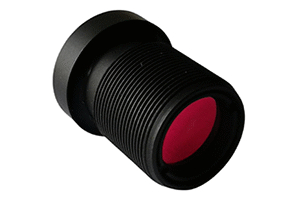


In the automotive industry, innovation never sleeps. From electric vehicles to self-driving systems, manufacturers are constantly seeking ways to enhance performance, safety, and longevity. One often-overlooked yet critical component is the Automotive lens—used in headlights, taillights, cameras, and sensors. These lenses must withstand harsh environmental conditions, including moisture, salt, UV rays, and chemical exposure, without degrading. Enter the corrosion-resistant automotive lens: a game-changer in vehicle durability and reliability.
Why Corrosion Resistance Matters for Automotive Lenses
Corrosion is a silent killer for automotive components. Traditional lenses made from polycarbonate or acrylic materials are vulnerable to oxidation, pitting, and discoloration over time. This not only reduces visibility but also compromises safety systems like adaptive cruise control or lane-keeping assistance, which rely on clear optical performance. A corrosion-resistant automotive lens addresses these challenges by incorporating advanced materials and coatings that repel contaminants and resist degradation.
The Science Behind Corrosion-Resistant Automotive Lenses
- 1. Advanced Polymers: High-performance plastics like polymethyl methacrylate (PMMA) or polycarbonate blends are modified with additives to enhance chemical resistance. These polymers form the base layer of the lens, providing structural integrity.
- 2. Nano-Coatings: Thin films of silicon dioxide (SiO₂) or fluoropolymers are applied to the lens surface. These coatings create a hydrophobic and oleophobic barrier, preventing water, oil, and road salts from adhering. For example, a study by the Society of Automotive Engineers (SAE) found that nano-coated lenses reduced corrosion rates by up to 90% compared to uncoated alternatives.
- 3. UV Stabilizers: Prolonged exposure to sunlight can cause yellowing and brittleness. UV-absorbing additives are integrated into the lens material to block harmful rays, extending lifespan.
- 4. Metal Alloy Frames: In some designs, the lens housing is made from corrosion-resistant alloys like stainless steel or anodized aluminum, which shield the optical component from environmental stressors.
Applications of Corrosion-Resistant Automotive Lenses
- Headlights and Taillights: These lenses must remain crystal-clear to ensure maximum light output. Corrosion-resistant coatings prevent fogging and discoloration, even in coastal or snowy regions.
- ADAS Sensors: Cameras and lidar systems rely on unobstructed optics. A single scratch or corrosion spot can distort sensor data, leading to malfunctions.
- Interior Displays: HUD (Heads-Up Display) lenses and infotainment screens also benefit from anti-corrosive properties, ensuring readability in humid environments.
Benefits of Upgrading to Corrosion-Resistant Automotive Lenses
- 1. Longevity: Traditional lenses may fail within 5–7 years, while corrosion-resistant models can last over a decade with proper care.
- 2. Safety: Clear optics reduce accident risks, especially in adverse weather conditions.
- 3. Cost Efficiency: Fewer replacements mean lower maintenance costs over the vehicle’s lifetime.
- 4. Aesthetic Appeal: Glossy, scratch-free lenses maintain a vehicle’s “like-new” appearance.
Maintenance Tips for Corrosion-Resistant Automotive Lenses
- Regular Cleaning: Use a microfiber cloth and pH-neutral cleaner to remove dirt and grime. Avoid abrasive sponges, which can scratch coatings.
- Avoid Harsh Chemicals: Solvents like acetone or brake fluid can degrade protective layers. Stick to automotive-specific products.
- Park Smartly: Whenever possible, park in shaded or covered areas to minimize UV exposure.
- Inspect for Damage: Check lenses monthly for cracks or peeling coatings. Address issues promptly to prevent further deterioration.
Industry Trends and Innovations
The global market for corrosion-resistant automotive lenses is projected to grow at a CAGR of 6.8% through 2030, driven by rising demand for electric vehicles (EVs) and autonomous driving technologies. Key players like Osram, Hella, and Koito Manufacturing are investing heavily in R&D to develop self-healing coatings and AI-driven defect detection systems.
FAQs
How do I know if my automotive lens is corrosion-resistant?
Check the manufacturer’s specifications or look for labels indicating UV resistance, hydrophobic coatings, or ASTM B117 salt spray certification.
Can I apply a DIY coating to my existing lenses?
While some aftermarket sprays claim to offer corrosion protection, they often lack the durability of factory-applied coatings. Consult a professional for best results.
Are corrosion-resistant lenses more expensive?
Initial costs may be higher, but the long-term savings on replacements and repairs outweigh the upfront investment.
Do these lenses work in extreme temperatures?
Yes! Most corrosion-resistant automotive lenses are engineered to withstand temperatures ranging from -40°C to 120°C without warping or cracking.
Conclusion
As vehicles become smarter and more connected, the role of corrosion-resistant automotive lenses will only expand. By combining cutting-edge materials with rigorous testing, manufacturers are ensuring that these components deliver peak performance in even the harshest conditions.