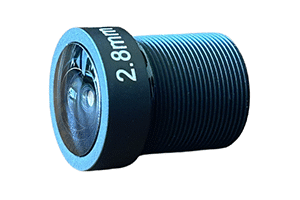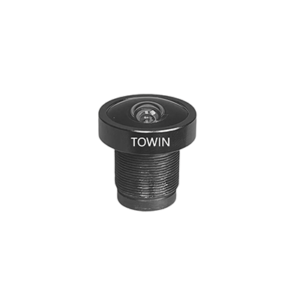


In the world of photography, few tools are as transformative as a High-Resolution Wide Angle Lens. Whether you’re a professional photographer or an enthusiast, this lens opens doors to creative possibilities that standard lenses simply can’t match. From sweeping landscapes to intimate interior shots, a High-Resolution Wide Angle Lens lets you capture more of the scene without sacrificing clarity or detail.
Why Choose a High-Resolution Wide Angle Lens?
A High-Resolution Wide Angle Lens is designed to excel in scenarios where you need to fit a vast scene into a single frame. Unlike standard lenses, which typically offer a focal length of 35mm–50mm, wide-angle lenses range from 14mm to 35mm (or even wider for ultra-wide options). This wider field of view allows you to:
- Capture expansive landscapes without stepping back hundreds of feet.
- Emphasize leading lines in architecture or cityscapes.
- Include more context in environmental portraits or event photography.
But resolution matters too. A high-resolution lens ensures that every detail—from the texture of a mountain range to the intricate patterns of a building’s facade—is rendered sharply, even at the edges of the frame. This is crucial for large prints or cropping flexibility in post-processing.
Key Features to Look For
When shopping for a High-Resolution Wide Angle Lens, prioritize these features:
- Aperture Range: A wide maximum aperture (e.g., f/2.8 or lower) lets in more light, ideal for low-light conditions and achieving shallow depth of field.
- Image Stabilization: Reduces camera shake, especially useful for handheld shooting or video.
- Distortion Control: Look for lenses with minimal barrel distortion (where straight lines appear curved) for architectural shots.
- Build Quality: Weather-sealed designs protect against dust and moisture, ensuring durability in harsh environments.
- Autofocus Speed: Fast and accurate AF is critical for dynamic subjects like wildlife or street photography.
Common Challenges and Solutions
While High-Resolution Wide Angle Lenses are powerful, they come with unique challenges:
- Edge Distortion: Straight lines near the frame’s edges may appear bent. To mitigate this, use a lens with built-in distortion correction or adjust in post-processing with tools like Lightroom.
- Perspective Distortion: Objects close to the lens appear disproportionately large. This can create dramatic effects but may look unnatural in portraits. Position subjects farther away or use a slightly longer focal length (e.g., 24mm instead of 14mm).
- Chromatic Aberration: Color fringing around high-contrast edges can occur. High-quality lenses minimize this, but software corrections can also help.
How to Use a High-Resolution Wide Angle Lens Creatively
- Foreground Interest: Place a compelling object (e.g., rocks, flowers) in the foreground to add depth and scale.
- Vertical Composition: Rotate your camera to portrait orientation for towering landscapes or cityscapes.
- Starbursts: Stop down the aperture (e.g., f/16) and include a bright light source (like the sun) to create striking starbursts.
- Panoramas: Stitch multiple wide-angle shots for ultra-high-resolution panoramas.
FAQs
What is the difference between a wide-angle lens and a fisheye lens?
A fisheye lens is an ultra-wide-angle lens with extreme distortion, creating a circular or hemispherical image. A standard wide-angle lens minimizes distortion for more natural-looking results.
Can I use a wide-angle lens for portraits?
Yes, but with caution. Wide-angle lenses can distort facial features if the subject is too close. Use them for environmental portraits that include the surroundings.
Are high-resolution lenses worth the extra cost?
Absolutely if you plan to print large or crop heavily. The added sharpness and detail retention justify the investment for professionals.
Do I need image stabilization for a wide-angle lens?
It depends. If you shoot handheld in low light or video, stabilization is beneficial. For tripod-based landscapes, it’s less critical.
Can I use a wide-angle lens on a crop-sensor camera?
Yes, but the effective focal length will increase (e.g., a 16mm lens becomes ~24mm on an APS-C camera). This reduces the wide-angle effect but still offers a broader view than standard lenses.
Final Thoughts
A High-Resolution Wide Angle Lens is more than just a tool—it’s a gateway to storytelling. By capturing vast scenes with incredible detail, you can transport viewers to the heart of your subject. Whether you’re shooting sweeping vistas or intimate interiors, this lens empowers you to think bigger and create images that leave a lasting impression.