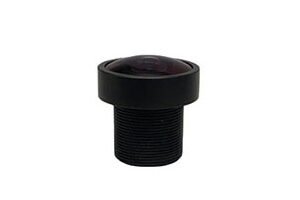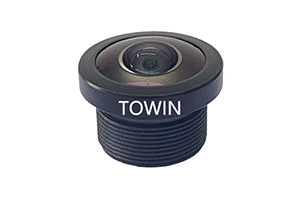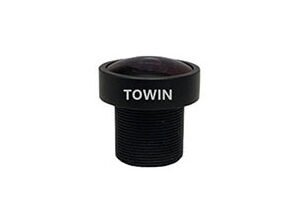


Photography enthusiasts are constantly seeking tools that push creative boundaries while maintaining technical precision. Among these innovations, the Fisheye Lens with Low Dispersion Glass stands out as a revolutionary accessory for capturing ultra-wide-angle shots with minimal distortion and maximum clarity.
What Makes a Fisheye Lens with Low Dispersion Glass Special?
A standard fisheye lens creates dramatic, spherical images by bending light at extreme angles. However, traditional designs often suffer from chromatic aberration—a colorful halo effect around high-contrast edges caused by light wavelengths refracting differently. This is where low dispersion (ED) glass comes into play.
ED glass is engineered to minimize light dispersion, ensuring that all wavelengths (red, blue, green) converge at the same focal point. When paired with a fisheye lens, this technology virtually eliminates chromatic aberration, resulting in cleaner, more vibrant images. The Fisheye Lens with Low Dispersion Glass isn’t just an upgrade—it’s a redefinition of what fisheye photography can achieve.
Key Benefits of Using a Fisheye Lens with Low Dispersion Glass
1. Superior Image Quality
Low dispersion glass reduces color fringing, even in challenging lighting conditions. This means your fisheye shots retain natural tones without unwanted purple or green tints around edges. For example, shooting a sunset over water with a traditional fisheye might produce distracting halos around waves, but an ED glass version keeps colors pure and details crisp.
2. Enhanced Sharpness Across the Frame
Fisheye lenses are notorious for soft corners, but ED glass mitigates this issue by improving light transmission. The result? Uniform sharpness from the center to the periphery, making it ideal for astrophotography or architectural shots where every detail matters.
3. Reduced Post-Processing Work
With fewer aberrations to correct, photographers spend less time editing and more time shooting. This efficiency is invaluable for professionals working under tight deadlines or enthusiasts who prefer a streamlined workflow.
4. Versatility in Creative Applications
The unique distortion of a fisheye lens adds drama to portraits, action sports, and cityscapes. When combined with ED glass, these shots gain a polished, professional finish. For instance, skateboarders love fisheye lenses for their dynamic perspective, but ED glass ensures their tricks look sharp, not blurry.
5. Durability and Longevity
High-quality ED glass is often paired with robust lens construction, offering resistance to scratches, dust, and moisture. This makes the Fisheye Lens with Low Dispersion Glass a reliable investment for outdoor shooters.
Technical Specifications to Look For
When shopping for a Fisheye Lens with Low Dispersion Glass, prioritize these features:
- Focal Length: Typically 8mm to 15mm for full-frame cameras.
- Aperture Range: f/2.8 to f/4 for optimal low-light performance.
- Coatings: Multi-layer anti-reflective coatings to reduce glare.
- Build Quality: Weather-sealed designs for durability.
For a deeper dive into lens specifications, check out B&H Photo’s guide to fisheye lenses, which includes comparisons of ED and non-ED models.
FAQs
What is chromatic aberration, and how does ED glass fix it?
Chromatic aberration occurs when light wavelengths refract at different angles, causing color fringing. ED glass has a uniform refractive index, ensuring all wavelengths focus correctly.
Can I use a fisheye lens with low dispersion glass for portraits?
Absolutely! The distortion adds a creative, dynamic feel to portraits, especially when emphasizing movement or environment.
Are fisheye lenses with ED glass more expensive?
Yes, but the investment is justified by improved image quality and reduced post-processing needs. Mid-range options like the Rokinon 12mm f/2.8 ED offer excellent value.
Do all fisheye lenses have color fringing?
Traditional designs do, but models with ED glass minimize or eliminate it. Always check lens reviews for chromatic aberration tests.
Is a fisheye lens worth buying for landscape photography?
If you want to capture sweeping vistas with a unique twist, yes! The Fisheye Lens with Low Dispersion Glass ensures your landscapes are sharp and vibrant.
Final Thoughts
The Fisheye Lens with Low Dispersion Glass isn’t just another accessory—it’s a gateway to uncharted creative territory. By combining the iconic distortion of fisheye lenses with the precision of ED glass, photographers can achieve shots that are both artistic and technically flawless.