

Introduction
In the realm of optics, innovation continually pushes boundaries to deliver clearer, more efficient visual experiences. Among these advancements, the anti-reflective coated pinhole lens stands out as a game-changer. Designed to minimize light reflection and maximize image quality, this specialized lens combines the simplicity of a pinhole design with advanced coating technology.
What Is an Anti-Reflective Coated Pinhole Lens?
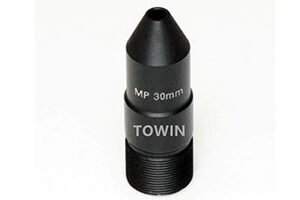
A pinhole lens is a minimalist optical device that uses a tiny aperture to focus light, eliminating the need for complex lens systems. By restricting incoming light to a narrow path, it reduces aberrations like chromatic distortion and blurriness. However, traditional pinhole lenses often struggle with glare and reflections, which can degrade image quality.
The anti-reflective coated pinhole lens addresses this issue by applying a thin, multi-layer coating to the lens surface. This coating reduces light reflection by up to 99%, ensuring more light passes through the aperture. The result? Sharper images, enhanced contrast, and minimal glare—even in challenging lighting conditions.
Key Benefits of Anti-Reflective Coated Pinhole Lenses
1. Superior Image Clarity
The primary advantage of an anti-reflective coated pinhole lens is its ability to produce crystal-clear images. By minimizing reflections, the coating ensures that nearly all light entering the aperture contributes to the final image. This is particularly useful in low-light environments, where every photon counts.
2. Reduced Glare and Lens Flare
Glare and lens flare are common issues in photography and videography, often caused by stray light reflecting off lens surfaces. The anti-reflective coating on a pinhole lens significantly reduces these artifacts, resulting in cleaner, more professional-looking outputs.
3. Enhanced Durability
Anti-reflective coatings also protect the lens surface from scratches, dust, and moisture. This makes the anti-reflective coated pinhole lens ideal for outdoor or industrial applications where environmental factors could damage uncoated lenses.
4. Improved Light Transmission
Traditional pinhole lenses lose a portion of incoming light due to reflections. The anti-reflective coating ensures maximum light transmission, making the pinhole lens more efficient and effective in capturing details.
5. Versatility Across Industries
From medical imaging to security cameras, the anti-reflective coated pinhole lens finds applications in diverse fields. Its compact size and high performance make it a favorite among professionals who need reliable, low-profile optics.
Applications of Anti-Reflective Coated Pinhole Lenses
1. Photography and Videography
Photographers and filmmakers use pinhole lenses for artistic effects, such as soft focus or infinite depth of field. The anti-reflective coating enhances these effects by ensuring consistent light transmission and minimal distortion.
2. Medical and Scientific Imaging
In microscopy and endoscopy, clarity is non-negotiable. The anti-reflective coated pinhole lens provides sharp, high-contrast images, aiding in accurate diagnoses and research.
3. Security and Surveillance
Hidden cameras and surveillance systems rely on pinhole lenses for their discreet design. The anti-reflective coating ensures these devices capture clear footage without drawing attention to the lens.
4. Industrial Inspection
Manufacturing processes often require precise visual inspection. The anti-reflective coated pinhole lens delivers detailed images, even in brightly lit or dusty environments.
5. Consumer Electronics
Smartphones and wearable devices use pinhole lenses for features like facial recognition and ambient light sensing. The anti-reflective coating improves performance by reducing interference from external light sources.
How to Choose the Right Anti-Reflective Coated Pinhole Lens
- Aperture Size: Smaller apertures increase depth of field but reduce light intake. Choose a size that balances clarity and brightness.
- Coating Quality: Opt for multi-layer coatings, as they offer better reflection reduction than single-layer alternatives.
- Material: Glass lenses provide superior durability and optical performance compared to plastic.
- Compatibility: Ensure the lens fits your device or system. Some pinhole lenses come with adapter rings for universal use.
FAQs
What makes anti-reflective coatings essential for pinhole lenses?
Anti-reflective coatings eliminate stray light reflections, ensuring maximum light transmission and sharper images. Without them, pinhole lenses would suffer from glare and reduced contrast.
Can anti-reflective coated pinhole lenses be used in bright sunlight?
Yes! The coating reduces glare, making them ideal for outdoor use. However, extremely bright conditions may still require additional filters or adjustments.
How do I clean an anti-reflective coated pinhole lens?
Use a microfiber cloth and lens-cleaning solution designed for coated optics. Avoid abrasive materials, as they can scratch the coating.
Are anti-reflective coated pinhole lenses more expensive than regular ones?
While they may cost slightly more, the benefits—such as improved image quality and durability—justify the investment, especially for professional applications.
Can I retrofit an existing pinhole lens with an anti-reflective coating?
No, anti-reflective coatings are applied during manufacturing. Retrofitting is not feasible without damaging the lens.
Conclusion
The anti-reflective coated pinhole lens represents a leap forward in optical technology. By combining the simplicity of a pinhole design with advanced coatings, it delivers unmatched clarity, durability, and versatility. Whether you’re a photographer, scientist, or engineer, this lens is a valuable tool for achieving precise, high-quality results.