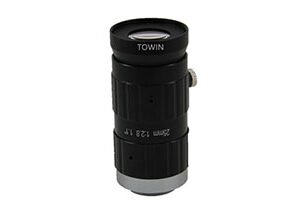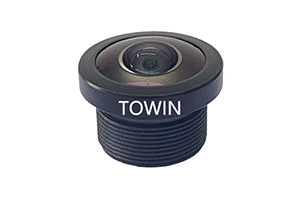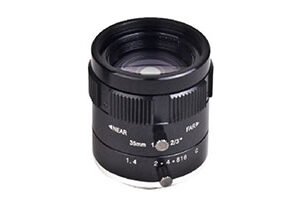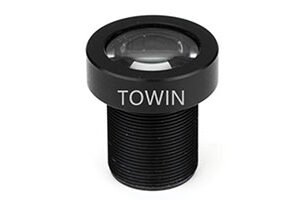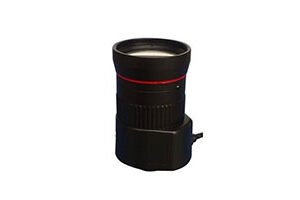


In modern industrial environments, precision and durability are non-negotiable. From outdoor surveillance systems to manufacturing equipment, Industrial Lenses face constant exposure to harsh conditions, including ultraviolet (UV) radiation. Without proper protection, UV rays can degrade lens materials, leading to yellowing, cracking, or reduced optical clarity. Enter the UV-Resistant Industrial Lens—a game-changer designed to withstand environmental stressors while delivering uncompromised performance.
Why UV Resistance Matters in Industrial Lenses
UV-Resistant Industrial Lenses are engineered to block or absorb harmful UV radiation (typically wavelengths below 400 nm). Unlike standard lenses, which may degrade within months under prolonged UV exposure, UV-resistant variants maintain their integrity for years. This resistance is achieved through specialized coatings or materials like tempered glass or polycarbonate infused with UV stabilizers.
For industries relying on optical precision—such as automotive, aerospace, or agriculture—the consequences of lens failure are costly. A UV-damaged lens can distort images, compromise safety inspections, or disrupt automated processes. By investing in a UV-Resistant Industrial Lens, businesses safeguard their operations against these risks while extending equipment lifespan.
Key Features of UV-Resistant Industrial Lenses
1. Advanced Coating Technology
UV-resistant lenses employ multi-layer coatings that reflect or absorb UV rays. These coatings also reduce glare and enhance light transmission, ensuring crisp imaging even in bright sunlight.
2. Material Durability
High-grade materials like tempered glass or chemically strengthened polycarbonate resist UV penetration. Some lenses combine these materials with acrylic layers for added scratch resistance.
3. Thermal Stability
UV exposure often coincides with extreme temperatures. UV-Resistant Industrial Lenses are designed to withstand thermal expansion without warping, maintaining focal accuracy.
4. Chemical Resistance
Industrial settings may expose lenses to oils, solvents, or cleaning agents. UV-resistant models are treated to repel chemicals, preventing corrosion or material breakdown.
5. Impact Resistance
Polycarbonate-based UV-resistant lenses absorb shocks better than glass, making them ideal for high-vibration environments like construction sites or robotics.
Applications of UV-Resistant Industrial Lenses
- Outdoor Surveillance: Security cameras equipped with UV-resistant lenses capture clear footage even in direct sunlight.
- Automotive Manufacturing: Robotic vision systems use these lenses for quality control under harsh factory lighting.
- Agriculture: Drones monitoring crop health rely on UV-resistant optics to analyze plant health without interference from UV-induced distortions.
- Solar Energy: Lenses in solar concentrators must resist UV degradation to maintain efficiency over decades.
FAQs
How do UV-resistant coatings work?
UV-resistant coatings contain inorganic compounds like titanium dioxide or zinc oxide that absorb or reflect UV radiation, preventing it from reaching the lens material.
Can UV-resistant lenses be used indoors?
Absolutely! While designed for outdoor durability, these lenses also excel indoors by reducing glare and enhancing image contrast.
Are UV-resistant lenses more expensive?
Initial costs may be higher, but their extended lifespan and reduced maintenance needs offset expenses over time.
Do all industrial lenses need UV protection?
Not all environments require UV resistance. However, outdoor or high-UV settings (e.g., laboratories with UV lamps) make UV-resistant lenses a wise investment.
How long do UV-resistant coatings last?
With proper care, coatings can last 5–10 years, depending on environmental conditions.
Conclusion
As industries demand higher reliability and lower downtime, the UV-Resistant Industrial Lens emerges as a critical component. By combining cutting-edge materials, coatings, and design principles, these lenses deliver unmatched durability in even the harshest environments.