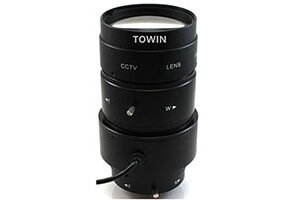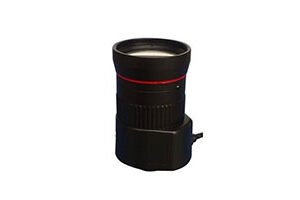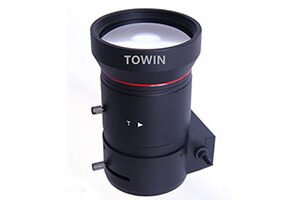


In an era where security and efficiency are paramount, the role of advanced surveillance technology cannot be overstated. Among these innovations, the License Plate Recognition (LPR) CCTV lens stands out as a game-changer, enabling automated tracking of vehicles in real time. Whether for traffic management, toll collection, or crime prevention, LPR systems rely heavily on the precision of their lenses to deliver actionable insights.
How Does a License Plate Recognition (LPR) CCTV Lens Work?
At its core, an LPR CCTV lens is engineered to capture high-resolution images of vehicle license plates, even under challenging conditions like low light, motion blur, or oblique angles. The lens works in tandem with specialized software that uses optical character recognition (OCR) to decode the plate numbers. Here’s a breakdown of the process:
- Image Capture: The lens focuses on the license plate, adjusting for distance and lighting to ensure clarity.
- Preprocessing: The software enhances the image by correcting perspective distortions and improving contrast.
- OCR Analysis: Algorithms extract the alphanumeric characters from the plate.
- Data Output: The recognized plate number is cross-referenced with databases for verification or alerts.
The success of this process hinges on the lens’s ability to deliver sharp, distortion-free images. A high-quality LPR CCTV lens typically features a wide aperture (e.g., f/1.2 to f/2.0) to maximize light intake, a motorized zoom for flexibility, and anti-reflective coatings to reduce glare.
Why Choose a Specialized LPR CCTV Lens Over Standard Lenses?
- Limited Resolution: Standard lenses may not resolve fine details like plate characters at long distances.
- Poor Low-Light Performance: Without sufficient light, images become grainy, leading to OCR errors.
- Fixed Focal Length: Inflexible lenses struggle with varying plate positions or vehicle speeds.
In contrast, an LPR CCTV lens is optimized for:
- High-Definition Imaging: Supports resolutions up to 4K or higher for crystal-clear plate capture.
- Adaptive Lighting: Features like infrared (IR) cut filters and wide dynamic range (WDR) ensure visibility in all lighting conditions.
- Motorized Functions: Zoom, focus, and aperture adjustments can be automated for dynamic environments.
Top Applications of License Plate Recognition (LPR) CCTV Lenses
The versatility of LPR CCTV lenses extends across industries, driving efficiency and safety in:
Traffic Management:
Cities use LPR systems to monitor congestion, enforce parking rules, and detect violations like speeding or red-light running.
Toll Collection:
Electronic tolling systems rely on LPR lenses to identify vehicles and charge fees automatically, reducing wait times and manual errors.
Law Enforcement:
Police deploy LPR cameras to track stolen vehicles, wanted suspects, or vehicles linked to crimes.
Access Control:
Gated communities or corporate campuses use LPR to grant entry to authorized vehicles, enhancing security without manual checks.
Parking Facilities:
Automated parking systems use LPR to log entry/exit times, calculate fees, and prevent unauthorized parking.
Challenges and Solutions in LPR CCTV Lens Deployment
Despite their advantages, LPR systems face hurdles like:
- Obstructed Plates: Dirt, mud, or damage can render plates unreadable.
- Solution: Use multi-lens arrays or AI-powered image restoration to improve accuracy.
- Extreme Weather: Fog, rain, or snow may obscure plates.
- Solution: Opt for lenses with weatherproof housings and thermal imaging capabilities.
- Privacy Concerns: Critics argue LPR systems infringe on privacy.
- Solution: Implement strict data retention policies and anonymization techniques to comply with regulations like GDPR.
Future Trends in LPR CCTV Lens Technology
The evolution of LPR systems is driven by advancements in:
- AI Integration: Deep learning algorithms now achieve over 99% accuracy in plate recognition, even for non-standard fonts or languages.
- 5G Connectivity: Faster data transmission enables real-time alerts and cloud-based analytics.
- Edge Computing: On-camera processing reduces latency and bandwidth usage, making LPR systems more scalable.
FAQs
What is the maximum range of an LPR CCTV lens?
Most LPR lenses can capture plates from 10–100 meters away, depending on resolution and lighting. High-end models with telephoto lenses extend this range to 200+ meters.
Can LPR CCTV lenses work at night?
Yes. Lenses with IR illuminators or low-light sensors can capture plates in complete darkness, though supplementary lighting may improve accuracy.
How accurate are LPR systems?
Modern LPR systems achieve 95–99% accuracy under optimal conditions. Factors like plate condition, angle, and speed can affect performance.
Are LPR CCTV lenses weatherproof?
Many LPR lenses come with IP66 or IP67 ratings, protecting them from dust and water. For extreme climates, choose lenses with heated housings to prevent condensation.
Can LPR systems read international license plates?
Yes. Advanced OCR software supports plates from multiple countries, including those with non-Latin scripts like Arabic or Cyrillic.
Do LPR systems store license plate data indefinitely?
No. Most systems retain data for a limited period (e.g., 30 days) unless required for investigations, adhering to privacy laws.
Conclusion
From reducing traffic congestion to thwarting crime, the License Plate Recognition (LPR) CCTV lens is a cornerstone of intelligent security systems. By combining cutting-edge optics with AI-driven analytics, these lenses deliver unparalleled accuracy and reliability.