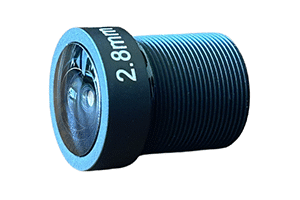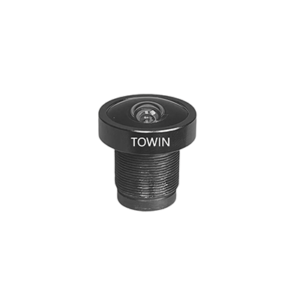


Photography enthusiasts and professionals alike understand the struggle of capturing sharp, steady shots in dynamic environments. Whether you’re shooting landscapes, architecture, or action scenes, camera shake can ruin even the most meticulously composed images. Enter the Wide Angle Lens with Image Stabilization for Steady Shots—a game-changing tool designed to eliminate blur and elevate your creative output.
Why Choose a Wide Angle Lens with Image Stabilization for Steady Shots?
A Wide Angle Lens typically covers a focal length range of 14mm to 35mm, allowing you to capture expansive scenes with dramatic perspectives. However, shooting handheld at wider angles increases the risk of motion blur, especially in low-light conditions or when using slower shutter speeds. Image stabilization (IS) technology counteracts this by compensating for minor camera movements, ensuring crisp results even in challenging situations.
Key Advantages:
- 1. Reduced Blur in Handheld Shooting: IS systems detect and correct vibrations, enabling sharper images without a tripod.
- 2. Improved Low-Light Performance: Stabilization allows slower shutter speeds, letting in more light without sacrificing clarity.
- 3. Enhanced Video Quality: Smooth footage is critical for vlogging or filmmaking, and IS minimizes jitters during movement.
- 4. Versatility in Dynamic Environments: From crowded cityscapes to fast-paced events, stabilized wide-angle lenses adapt seamlessly.
How Does Image Stabilization Work in Wide Angle Lenses?
- Optical Image Stabilization (OIS): Uses gyroscopic sensors to shift lens elements, counteracting movement in real time.
- In-Body Image Stabilization (IBIS): Relies on the camera body’s sensor to adjust for shake, though OIS remains more effective for wide-angle lenses due to its proximity to the optical path.
Top Features to Look for in a Stabilized Wide Angle Lens
- 1. Stabilization Effectiveness: Look for lenses with at least 3-4 stops of correction (e.g., 1/15s shutter speed becomes usable at 1/125s).
- 2. Aperture Size: A wider aperture (e.g., f/2.8) allows more light, complementing IS in low-light scenarios.
- 3. Build Quality: Weather-sealed designs protect against dust and moisture, essential for outdoor shoots.
- 4. Autofocus Speed: Fast, silent AF motors benefit both photography and videography.
- 5. Weight and Portability: Lightweight lenses are easier to carry during travel or long shoots.
Practical Uses of a Wide Angle Lens with Image Stabilization
- Landscape Photography: Capture sweeping vistas without a tripod, even during sunrise or sunset.
- Architecture: Stabilization helps maintain straight lines and sharp details when shooting indoors or in dim lighting.
- Event Photography: Freeze motion in crowded venues while keeping the entire scene in focus.
- Vlogging and Travel Videos: Walk-and-talk shots appear smoother, enhancing viewer engagement.
Pro Tip: Pair your stabilized wide-angle lens with a camera that supports IBIS for dual stabilization. This combo maximizes sharpness in extreme conditions, such as shooting handheld at night.
FAQs
What is the difference between optical and in-body stabilization?
Optical stabilization adjusts lens elements to counteract shake, while in-body stabilization moves the camera sensor. Both aim to reduce blur, but OIS is often more effective for wide-angle lenses.
Can I use image stabilization with a tripod?
Yes, but disable IS when using a tripod to prevent minor vibrations from the stabilization system itself.
Are stabilized wide-angle lenses worth the extra cost?
Absolutely. The ability to shoot handheld in low light or during movement justifies the investment for professionals and serious hobbyists.
Do all wide-angle lenses have image stabilization?
No. Many prime and zoom wide-angle lenses lack IS, especially older models. Always check specifications before purchasing.
Final Thoughts
A Wide Angle Lens with Image Stabilization for Steady Shots is a powerful tool for photographers seeking versatility and precision. By combining expansive focal ranges with cutting-edge stabilization, these lenses empower you to capture stunning images in any scenario.