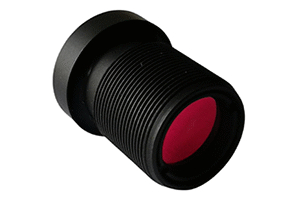


In the rapidly evolving world of automotive technology, High-transmission Automotive lens are emerging as a game-changer. These advanced optical components are designed to maximize light transmission, reduce glare, and improve clarity, making them indispensable for modern vehicles.
What Are High-Transmission Automotive Lenses?
High-transmission Automotive lenses are specialized optical lenses engineered to allow more light to pass through while minimizing reflections and distortions. Unlike traditional lenses, which may absorb or scatter light, these lenses use advanced coatings and materials to achieve up to 99% light transmission. This results in sharper images, reduced eye strain, and enhanced performance in challenging driving conditions.
These lenses are commonly used in:
- Headlights and taillights for brighter, more focused beams.
- Rearview and side mirrors to eliminate blind spots.
- Dashboard displays for clearer visibility of critical information.
- ADAS (Advanced Driver-Assistance Systems) cameras for accurate object detection.
5 Key Benefits of High-Transmission Automotive Lenses
1. Enhanced Visibility in All Conditions
One of the most significant advantages of High-transmission Automotive lenses is their ability to improve visibility in extreme weather. Whether it’s fog, rain, or snow, these lenses ensure that drivers have a clear view of the road ahead. Their anti-reflective coatings reduce glare from oncoming headlights, making night driving safer and less stressful.
2. Improved Safety Through Advanced ADAS Integration
Modern vehicles rely on ADAS technologies like lane-keeping assistance, adaptive cruise control, and automatic emergency braking. High-transmission Automotive lenses play a crucial role in these systems by providing high-resolution images to onboard cameras. This ensures accurate object detection and faster response times, reducing the risk of accidents.
3. Energy Efficiency and Longer Battery Life
In electric vehicles (EVs), every watt of power counts. High-transmission Automotive lenses require less energy to produce bright illumination compared to traditional lighting systems. This translates to longer battery life and reduced strain on the vehicle’s electrical system, making them an eco-friendly choice.
4. Durability and Resistance to Environmental Factors
Automotive lenses are exposed to harsh conditions, including UV radiation, temperature fluctuations, and chemical exposure. High-transmission lenses are built with scratch-resistant and weatherproof materials, ensuring long-lasting performance even in extreme environments.
5. Aesthetic Appeal and Customization Options
Beyond functionality, High-transmission Automotive lenses offer sleek, modern designs that enhance a vehicle’s exterior aesthetics. Manufacturers can customize these lenses with tinted or colored coatings to match brand identities or create unique styling elements.
How Do High-Transmission Automotive Lenses Work?
The secret behind High-transmission Automotive lenses lies in their multi-layer coating technology. These lenses are treated with anti-reflective, anti-fog, and UV-blocking coatings that work together to optimize light transmission. Some lenses also incorporate nanostructures or photonic crystals to further enhance performance.
Applications of High-Transmission Automotive Lenses
- Headlamps: Provide brighter, more focused beams without dazzling other drivers.
- Interior Displays: Ensure clear readability of infotainment screens and dashboards.
- Surround-View Cameras: Offer high-definition images for parking assistance and 360-degree views.
- HUD (Heads-Up Display): Project critical information onto the windshield without obstructing the driver’s view.
FAQs
Are High-transmission Automotive lenses more expensive?
While they may have a higher upfront cost, their durability and energy efficiency make them a cost-effective investment in the long run.
Can High-transmission Automotive lenses be used in any vehicle?
Yes, these lenses are compatible with most modern vehicles and can be integrated into existing lighting systems or ADAS technologies.
Do High-transmission Automotive lenses require special maintenance?
No, they are designed to be low-maintenance and resistant to scratches, fogging, and UV damage. Regular cleaning with a microfiber cloth is sufficient to keep them in optimal condition.
Are High-transmission Automotive lenses environmentally friendly?
Absolutely! Their energy-efficient design reduces power consumption, making them an eco-friendly choice for electric and hybrid vehicles.
The Future of High-Transmission Automotive Lenses
As automotive technology continues to advance, the demand for High-transmission Automotive lenses will only grow. Innovations like adaptive lighting, augmented reality HUDs, and autonomous driving systems will rely heavily on these lenses to deliver unparalleled performance.
Automakers are also exploring the use of smart glass technologies that integrate High-transmission lenses with sensors and displays, creating a seamless driving experience. With ongoing research and development, the future of automotive optics looks brighter than ever.
Conclusion
High-transmission Automotive lenses are revolutionizing the way we drive by enhancing visibility, safety, and efficiency. Their advanced technology and versatile applications make them a must-have for modern vehicles.