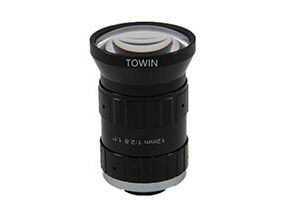


Photography enthusiasts often debate the merits of variable versus fixed aperture lenses, but the Fixed Aperture FA Lens stands out as a specialized tool for specific situations. Unlike zoom lenses with adjustable apertures, a Fixed Aperture FA Lens maintains a constant f-stop across all focal lengths, offering unmatched consistency and creative control.
1. Low-Light Photography Without Compromise
When shooting in dim environments—such as concerts, nightscapes, or indoor events—light is your most precious resource. A Fixed Aperture FA Lens, like the classic 50mm f/1.4 or 85mm f/1.8, allows maximum light intake, enabling faster shutter speeds and lower ISO settings. This reduces motion blur and digital noise, preserving image clarity even in challenging conditions.
For example, capturing a musician’s performance on stage requires sharpness and detail. A Fixed Aperture FA Lens ensures you can freeze motion without sacrificing exposure, delivering crisp, well-lit shots where variable-aperture lenses might struggle.
2. Achieving Consistent Depth of Field
Depth of field (DoF) is a critical artistic tool, controlling how much of your image remains in focus. A Fixed Aperture FA Lens simplifies DoF management by maintaining the same aperture throughout its focal range. This consistency is invaluable for portrait photographers who rely on shallow DoF to isolate subjects from distracting backgrounds.
Imagine photographing a model outdoors. With a Fixed Aperture FA Lens set to f/2.8, you can confidently shoot at any focal length without worrying about unexpected changes in background blur. This predictability streamlines your workflow and enhances creative expression.
3. Video Production: Smooth Exposure Transitions
For videographers, abrupt changes in exposure can ruin a shot. A Fixed Aperture FA Lens eliminates this issue by keeping the aperture constant during zooming or panning. This is particularly useful for interviews, documentaries, or any scenario where lighting conditions vary but you need seamless footage.
For instance, filming a documentary in a dimly lit room with natural light streaming through windows requires balancing interior and exterior brightness. A Fixed Aperture FA Lens ensures smooth transitions between scenes, avoiding jarring jumps in exposure that distract viewers.
4. Astrophotography: Capturing the Cosmos
Astrophotography demands precision and sensitivity. Stars are faint, and long exposures are necessary to gather enough light. A Fixed Aperture FA Lens with a wide aperture (e.g., f/2.8 or lower) excels here by maximizing light intake while minimizing diffraction—a phenomenon that softens images at smaller apertures.
When photographing the Milky Way, a Fixed Aperture FA Lens allows you to use shorter exposures (reducing star trails) while maintaining sufficient brightness. This combination is nearly impossible to achieve with variable-aperture lenses, which often close down at longer focal lengths.
5. Budget-Friendly Quality for Enthusiasts
Fixed Aperture FA Lenses are often more affordable than their variable-aperture counterparts, especially when comparing primes to high-end zooms. For hobbyists or students, this makes them an attractive option for accessing professional-grade optics without breaking the bank.
A 35mm f/2 Fixed Aperture FA Lens, for example, costs a fraction of a 24-70mm f/2.8 zoom but delivers comparable image quality in many situations. This affordability encourages experimentation and skill development, making it easier to build a versatile lens collection over time.
Why Choose a Fixed Aperture FA Lens Over Variable Alternatives?
While variable-aperture lenses offer flexibility, they come with trade-offs. As you zoom in, the aperture narrows, reducing light intake and forcing you to adjust ISO or shutter speed—a hassle in fast-paced environments. A Fixed Aperture FA Lens avoids this pitfall, providing reliable performance regardless of focal length.
Additionally, Fixed Aperture FA Lenses tend to be smaller, lighter, and optically superior due to their simpler designs. Fewer moving parts mean fewer opportunities for image degradation, ensuring sharper results edge-to-edge.
FAQs
Are Fixed Aperture FA Lenses Better Than Variable-Aperture Lenses?
It depends on your needs. Fixed Aperture FA Lenses excel in consistency and low-light performance, while variable-aperture lenses offer zoom flexibility. For specialized tasks like astrophotography or portraits, Fixed Aperture FA Lenses are often superior.
Can I Use a Fixed Aperture FA Lens for Sports Photography?
Yes, but with caveats. Fast autofocus and a wide aperture (e.g., f/2.8) are ideal for freezing action, but the lack of zoom may limit framing options. Pair a Fixed Aperture FA Lens with a second body or a telephoto zoom for versatility.
Do Fixed Aperture FA Lenses Work Well in Bright Conditions?
Absolutely. While their wide apertures shine in low light, you can stop them down (e.g., to f/8 or f/11) for greater DoF in bright settings. This versatility makes them suitable for landscapes and architecture.
Are Fixed Aperture FA Lenses Heavy?
Not necessarily. Many primes are compact and lightweight, especially compared to professional zooms. For example, a 50mm f/1.8 Fixed Aperture FA Lens is often smaller than a pocket camera.
How Do I Clean a Fixed Aperture FA Lens?
Use a blower brush to remove dust, then wipe the front and rear elements with a microfiber cloth. For smudges, apply a few drops of lens cleaning solution to the cloth—never directly to the glass. Avoid touching the lens coating with bare fingers.
Conclusion
A Fixed Aperture FA Lens isn’t just a tool; it’s a gateway to creative freedom. By mastering its strengths—consistent exposure, shallow DoF, and low-light prowess—you can tackle diverse genres with confidence.