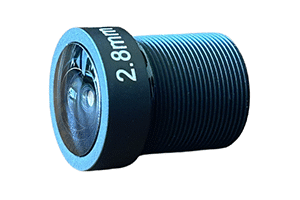


Aerial photography has revolutionized how we view the world, and Wide-Angle Drone Lenses are at the forefront of this transformation. These specialized lenses allow photographers and videographers to capture vast, sweeping landscapes with incredible detail and depth.
Why Wide-Angle Drone Lenses Are a Game-Changer
The primary advantage of Wide-Angle Drone Lenses lies in their ability to fit more of a scene into a single frame. Unlike standard lenses, which may struggle to capture the grandeur of a mountain range or a sprawling cityscape, wide-angle lenses excel at showcasing scale and context. This makes them ideal for:
- Landscape photography: From rolling hills to coastal cliffs, wide-angle lenses emphasize the vastness of natural environments.
- Architecture and real estate: Highlight entire properties or urban skylines without sacrificing detail.
- Action sports: Follow athletes as they navigate open terrain, keeping the environment in focus.
Key Features of Wide-Angle Drone Lenses
- Focal Length: Typically ranging from 10mm to 24mm, these lenses offer a broader field of view compared to standard or telephoto options.
- Distortion Control: Modern wide-angle lenses minimize edge distortion, ensuring straight lines remain sharp and natural.
- Light Sensitivity: Many models are designed to perform well in low-light conditions, making them versatile for dawn or dusk shoots.
How to Choose the Right Wide-Angle Drone Lens
- Drone Model: Ensure compatibility with your drone’s gimbal and camera system.
- Image Quality: Look for lenses with low aperture values (e.g., f/2.8) for better light gathering and sharper images.
- Weight: Lightweight lenses reduce strain on your drone’s battery and flight time.
- Build Quality: Durable materials protect against dust, moisture, and impacts during outdoor use.
Tips for Capturing Stunning Landscapes with Wide-Angle Drone Lenses
- Plan Your Flight Path: Use mapping tools to identify key landmarks and angles before takeoff.
- Optimize Altitude: Lower altitudes emphasize foreground details, while higher flights capture broader vistas.
- Use the Rule of Thirds: Position horizons or focal points off-center for a more dynamic composition.
- Experiment with Bracketing: Shoot multiple exposures to blend highlights and shadows in post-processing.
- Check Weather Conditions: Clear skies and golden hour lighting enhance the impact of wide-angle shots.
FAQs
What is the difference between a wide-angle lens and a fisheye lens?
A wide-angle lens captures a broad field of view with minimal distortion, while a fisheye lens creates a dramatic, spherical effect with significant bending at the edges.
Can I use a wide-angle lens for portrait photography?
While possible, wide-angle lenses are not ideal for portraits as they can distort facial features. Stick to medium or telephoto lenses for flattering results.
How do I clean my wide-angle drone lens?
Use a microfiber cloth and lens cleaning solution to gently wipe away dust and smudges. Avoid touching the glass with bare fingers.
Are wide-angle lenses worth the investment?
Absolutely! If you frequently shoot landscapes, architecture, or large-scale events, a wide-angle lens will significantly improve the quality and versatility of your work.
Do all drones support wide-angle lenses?
No. Compatibility depends on the drone’s gimbal design and camera mount. Check your manufacturer’s specifications before purchasing a lens.
Final Thoughts
Wide-Angle Drone Lenses are a powerful tool for anyone looking to capture the beauty of expansive landscapes from above. By understanding their features, choosing the right model, and applying best practices, you can transform ordinary aerial shots into extraordinary visual stories.