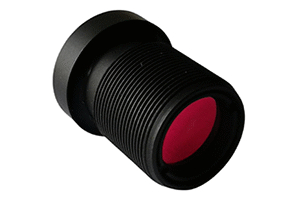


Driving in foggy, humid, or rainy conditions can be a nerve-wracking experience. Fogged-up windshields and mirrors reduce visibility, increasing the risk of accidents. Enter the anti-fog automotive lens—a game-changing innovation designed to maintain clear vision in challenging environments.
Why Foggy Automotive Lenses Are a Problem
Fog forms when warm, moist air comes into contact with a cooler surface, like a windshield or mirror. This condensation creates a thin layer of water droplets, scattering light and blurring your view. Traditional solutions like wiping the lens or turning on defrosters offer temporary relief but often leave streaks or take time to work. In contrast, an anti-fog automotive lens uses advanced coatings or materials to prevent fog formation entirely, providing instant clarity.
How Anti-fog Automotive Lenses Work
- Hydrophilic Coatings: These coatings attract water molecules, spreading them into a thin, transparent layer instead of allowing droplets to form.
- Superhydrophobic Coatings: Some lenses use water-repellent coatings that cause droplets to bead up and roll off, similar to how water behaves on a lotus leaf.
- Embedded Heating Elements: High-end systems integrate electric heating elements into the lens to maintain a consistent temperature, preventing condensation.
- Nano-Textured Surfaces: Microscopic textures on the lens surface alter the way water interacts with the material, reducing fogging.
These methods ensure your anti-fog automotive lens remains clear even in extreme conditions, eliminating the need for constant wiping or defogging.
Key Benefits of Anti-fog Automotive Lenses
- 1. Enhanced Safety: Clear visibility reduces the risk of accidents caused by impaired judgment or delayed reactions.
- 2. Improved Comfort: No more struggling with foggy mirrors or windshields during your commute.
- 3. Time-Saving: Anti-fog lenses eliminate the need for manual defogging, saving you precious minutes during busy mornings.
- 4. Durability: Many anti-fog coatings are scratch-resistant and long-lasting, offering value for money.
- 5. Versatility: This technology works in various conditions, from cold mornings to humid climates.
Types of Anti-fog Automotive Lenses
- Windshield Anti-fog Lenses: These are integrated into the vehicle’s windshield, often featuring embedded heating elements or hydrophilic coatings.
- Mirror Anti-fog Lenses: Used in side and rearview mirrors, these lenses prevent fogging without distorting reflections.
- Headlight Anti-fog Lenses: Some advanced headlights incorporate anti-fog coatings to ensure optimal light distribution in foggy weather.
Installation and Maintenance Tips
- Clean Gently: Use a microfiber cloth and a mild, alcohol-free cleaner to avoid damaging the coating.
- Avoid Abrasive Materials: Scrubbing can wear down the anti-fog layer, reducing its effectiveness.
- Regular Checks: Ensure heating elements (if present) are functioning correctly, especially in older vehicles.
- Park Wisely: Parking in shaded areas or using a car cover can reduce temperature fluctuations that cause fogging.
FAQs
How long do anti-fog coatings last?
Most high-quality anti-fog coatings last between 1–3 years, depending on usage and maintenance.
Can I apply an anti-fog coating to my existing lenses?
Yes, aftermarket anti-fog sprays and wipes are available, though they may not be as durable as factory-applied coatings.
Do anti-fog lenses work with polarized sunglasses?
Yes, anti-fog technology is compatible with polarized lenses, ensuring clear vision in bright and foggy conditions.
Are anti-fog lenses worth the investment?
Absolutely! The enhanced safety and convenience they provide make them a worthwhile upgrade for any vehicle.
Can extreme temperatures damage anti-fog lenses?
While extreme temperatures can affect performance, most modern anti-fog lenses are designed to withstand a wide range of conditions.
The Future of Anti-fog Automotive Lenses
As automotive technology evolves, anti-fog lenses are becoming smarter and more integrated. Innovations like self-cleaning surfaces and AI-driven climate control systems promise even greater reliability. With safety regulations tightening globally, the demand for anti-fog automotive lenses is set to rise, making them a standard feature in future vehicles.
Conclusion
Foggy lenses are a relic of the past, thanks to the advent of anti-fog automotive lenses. By combining cutting-edge materials and coatings, this technology ensures drivers enjoy unobstructed visibility in any weather.