

Astrophotography transforms ordinary nights into celestial masterpieces, but capturing the cosmos requires precision—especially when it comes to aperture settings. Whether you’re photographing the Milky Way, star trails, or distant nebulae, understanding how to optimize your lens’s aperture is critical.
Why Aperture Settings for Astrophotography Lenses Matter
Aperture—the opening in your lens that controls light intake—directly impacts image sharpness, depth of field, and exposure time. For astrophotography, where light is scarce, choosing the right aperture can mean the difference between a dull snapshot and a breathtaking cosmic portrait.
Key Benefits of Proper Aperture Settings:
- 1. Maximize Light Gathering: Wider apertures (lower f-numbers) let in more light, revealing faint stars and nebulae.
- 2. Balance Sharpness: Extremely wide apertures can cause soft edges (coma), while narrow apertures (higher f-numbers) reduce diffraction but limit light.
- 3. Control Exposure Time: Faster apertures allow shorter exposures, minimizing star trailing.
Towin’s Astrophotography Lenses: Precision-Engineered for the Stars
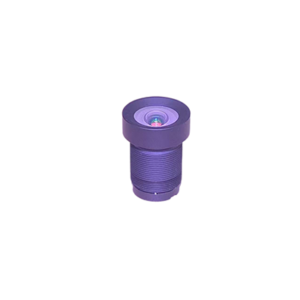
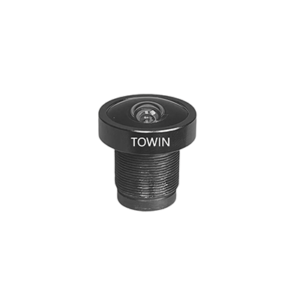
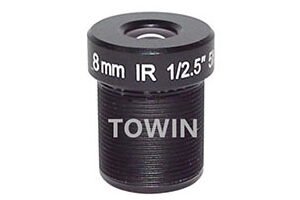
Towin lineup of astrophotography lenses is designed to optimize aperture performance while minimizing optical flaws. Here’s a breakdown of their standout features:
1. Towin ProAstro 14mm f/2.8 Ultra-Wide Lens
- Aperture Range: f/2.8–f/16
- Ideal For: Milky Way photography, wide-field starscapes.
Key Traits:
- Minimal coma and chromatic aberration at f/2.8.
- Weather-sealed construction for rugged outdoor use.
- Lightweight design (485g) for easy travel.
2. Towin StarMaster 35mm f/1.8 Prime Lens
- Aperture Range: f/1.8–f/22
- Ideal For: Deep-sky objects, constellations.
Key Traits:
- Fast f/1.8 aperture for low-light excellence.
- Advanced multi-coating to reduce glare.
- Smooth manual focus ring for precise adjustments.
3. Towin CosmoZoom 50-200mm f/4-5.6 Telephoto Lens
- Aperture Range: f/4–f/22 (varies with zoom)
- Ideal For: Lunar photography, planetary details.
Key Traits:
- Image stabilization for steady long-exposure shots.
- Compact zoom range for versatile framing.
- Sharp optics even at 200mm.
How to Choose the Right Aperture Settings for Astrophotography Lenses
Selecting the perfect aperture depends on your subject, equipment, and conditions. Follow these guidelines:
1. Wide-Field Astrophotography (e.g., Milky Way)
- Best Aperture: f/2.8–f/4
- Why: Maximizes light intake while keeping stars sharp. Towin’s ProAstro 14mm f/2.8 excels here, delivering edge-to-edge clarity.
2. Deep-Sky Objects (e.g., Orion Nebula)
- Best Aperture: f/1.8–f/2.8
- Why: Faster apertures reveal faint details. The Towin StarMaster 35mm f/1.8’s wide opening captures nebulae with stunning contrast.
3. Lunar/Planetary Photography
- Best Aperture: f/8–f/11
- Why: Narrower apertures reduce atmospheric distortion. Pair the Towin CosmoZoom 50-200mm with a telescope adapter for crisp lunar craters.
4. Avoiding Coma and Astigmatism
- Tip: Stop down slightly (e.g., from f/2.8 to f/3.5) to minimize optical aberrations. Towin’s lenses are engineered to reduce these issues, but fine-tuning helps.
5. Balancing Exposure and Noise
- Tip: Use wider apertures to shorten exposure times, reducing sensor noise. For example, shoot at f/2.8 instead of f/4 to halve your exposure duration.
FAQs
1. What’s the “Sweet Spot” Aperture for Astrophotography?
The sweet spot varies by lens but typically falls between f/2.8 and f/5.6. Test your lens at different apertures to find where it delivers the sharpest stars.
2. Can I Use a Kit Lens for Astrophotography?
While possible, kit lenses often have slower apertures (e.g., f/5.6) and higher coma. Upgrading to a dedicated astrophotography lens like Towin’s ProAstro 14mm f/2.8 will dramatically improve results.
3. How Does Atmospheric Turbulence Affect Aperture Choice?
Turbulence blurs fine details, especially at longer focal lengths. Use narrower apertures (f/8–f/11) and faster shutter speeds to mitigate this. Towin’s CosmoZoom 50-200mm includes image stabilization to counteract shake.
4. Is Manual Focus Better Than Autofocus for Astrophotography?
Yes! Autofocus often struggles in low light. Use live view to magnify stars and manually adjust focus. Towin’s lenses feature tactile focus rings for precision.
Conclusion
Aperture settings for astrophotography lenses are a blend of art and science. By leveraging Towin’s purpose-built lenses—like the ProAstro 14mm f/2.8 or StarMaster 35mm f/1.8—you can unlock the full potential of your night sky shots.