


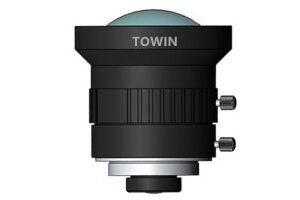
What are the different types of Machine vision lenses?
From fixed focal length lenses to telecentric and IR/UV models, each type serves a unique purpose in industrial automation.
The performance of a Machine vision lens?
The performance of a Machine vision lens is a multifaceted metric influenced by resolution, distortion, aperture, focal length, and environmental resilience.
What is the MTF of a Machine vision lens?
One of the most critical metrics for evaluating a Machine vision lens is its Modulation Transfer Function (MTF).
How does distortion affect machine vision lenses?
How does distortion affect machine vision lenses? The answer lies in its far-reaching consequences—from measurement inaccuracies to production delays.
What is the field of view (FOV) in Machine vision lenses?
What is the field of view (FOV) in Machine vision lenses? It’s the gateway to precision, balancing coverage, resolution, and system complexity.
Working distance for a Machine Vision lens?
The working distance for a Machine Vision lens is far more than a technical specification—it’s the foundation of reliable, high-performance imaging.
What is the resolution of a Machine Vision lens?
What is the resolution of a machine vision lens? It’s the cornerstone of image clarity, enabling systems to “see” and interpret the world with unparalleled precision.
What is the focal length of a machine vision lens?
What is the focal length of a machine vision lens? It’s a fundamental parameter that shapes the capabilities of your imaging system.
How to choose the right machine vision lens?
Mastering how to choose the right machine vision lens is a blend of technical knowledge and practical consideration.
How do machine vision lenses support 3D scanning?
How do machine vision lenses support 3D scanning? By transforming raw visual data into precise, actionable insights.