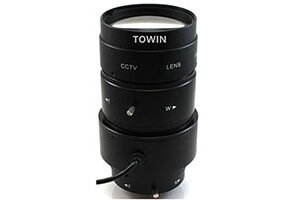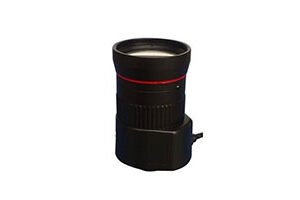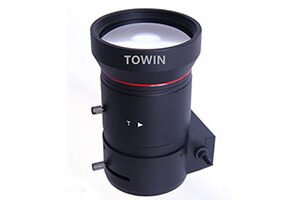


Security cameras are only as effective as their lenses. Choosing the right CCTV camera lens options can mean the difference between blurry footage and high-definition clarity. Whether you’re securing a home, office, or public space, understanding the different types of CCTV lens and their applications is crucial.
Why CCTV Camera Lens Options Matter
The lens is the “eye” of your CCTV system. It determines the field of view, image quality, and adaptability to lighting conditions. Poor lens selection can lead to distorted images, limited coverage, or wasted storage space. With advancements in technology, modern CCTV camera lens options offer features like auto-focus, zoom capabilities, and low-light performance, making them indispensable for reliable surveillance.
1. Fixed-Focal-Length Lenses: Simplicity and Affordability
Fixed-focal-length (FFL) lenses, also known as “prime lenses,” have a single focal length (e.g., 2.8mm, 4mm, 8mm). They provide a consistent field of view without mechanical adjustments.
Pros:
- Cost-effective and durable.
- Ideal for indoor spaces with predictable surveillance needs.
- Minimal maintenance due to no moving parts.
Cons:
- Limited flexibility; cannot zoom or adjust dynamically.
- Requires precise installation to avoid blind spots.
- Best For: Small offices, retail stores, or residential entryways where a fixed perspective suffices.
2. Varifocal Lenses: Versatility for Dynamic Environments
Varifocal lenses allow manual adjustment of the focal length (e.g., 2.8–12mm). This flexibility lets you zoom in or out without changing the camera.
Pros:
- Adaptable to varying distances (e.g., wide-angle for hallways, narrow for parking lots).
- Cost-effective alternative to motorized lenses.
Cons:
- Manual adjustments require physical access to the camera.
- Slight image distortion at extreme zoom levels.
- Best For: Multi-purpose areas like warehouses, schools, or outdoor perimeters where surveillance needs vary.
3. Motorized Zoom Lenses: Remote Precision Control
Motorized zoom lenses use electronic motors to adjust focal length remotely. They are ideal for applications requiring real-time flexibility.
Pros:
- Adjustable via software or mobile apps.
- Smooth transitions between wide and narrow views.
- Reduces physical maintenance.
Cons:
- Higher cost than varifocal lenses.
- Requires stable power and network connectivity.
- Best For: Large venues like stadiums, airports, or critical infrastructure where dynamic monitoring is essential.
4. Fisheye Lenses: 360-Degree Panoramic Coverage
Fisheye lenses offer ultra-wide angles (up to 180–360 degrees), capturing an entire room or outdoor area in a single frame.
Pros:
- Eliminates blind spots.
- Reduces the number of cameras needed.
- Ideal for dewarping software to create distortion-free views.
Cons:
- Distortion at edges may affect object recognition.
- Requires higher resolution to maintain clarity.
- Best For: Retail stores, lobbies, or open-plan offices where comprehensive coverage is prioritized.
5. Telephoto Lenses: Long-Distance Clarity
Telephoto lenses (e.g., 50mm, 100mm+) excel at capturing details from afar, making them perfect for perimeter security or license plate recognition.
Pros:
- High magnification for distant objects.
- Sharp image quality for facial recognition.
Cons:
- Narrow field of view; limited coverage.
- Expensive and often require professional installation.
- Best For: Highways, borders, or industrial sites where long-range surveillance is critical.
How to Choose the Right CCTV Camera Lens Options
Selecting the ideal CCTV camera lens options depends on three factors:
- Field of View (FoV): Wide angles suit open spaces, while narrow angles focus on specifics.
- Light Sensitivity: Low-light environments benefit from lenses with larger apertures (e.g., f/1.2).
- Budget: Fixed lenses are affordable, while motorized or telephoto options cost more.
For example, a retail store might use fisheye lenses for overhead coverage and varifocal lenses for checkout counters.
FAQs
1. What is the difference between fixed and varifocal CCTV lenses?
Fixed lenses have a single, unchangeable focal length, while varifocal lenses allow manual adjustment of the zoom level.
2. Can I use a telephoto lens for indoor surveillance?
Telephoto lenses are not ideal for indoors due to their narrow field of view. Opt for fisheye or wide-angle lenses instead.
3. Do motorized lenses require special software?
Yes, motorized lenses need compatible software or a network video recorder (NVR) to control zoom and focus remotely.
4. Are fisheye lenses compatible with all CCTV cameras?
No, fisheye lenses require cameras with compatible mounts and software for dewarping. Check manufacturer specifications.
5. How often should I clean my CCTV lens?
Clean lenses monthly with a microfiber cloth to remove dust and smudges. Avoid harsh chemicals.
Final Thoughts
Investing in the right CCTV camera lens options ensures your surveillance system delivers on its promise of security. Whether you prioritize cost, flexibility, or long-range clarity, there’s a lens type tailored to your needs. By understanding the strengths and limitations of each option, you can create a robust CCTV setup that deters crime and provides peace of mind.