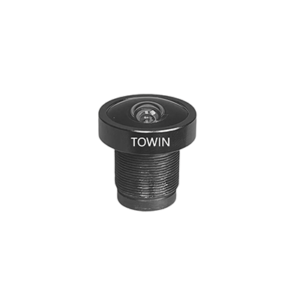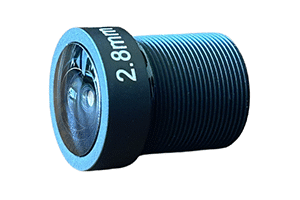


Travel photography demands versatility, portability, and the ability to capture breathtaking vistas in a single frame. For photographers who want to pack light without sacrificing quality, a Compact Wide Angle Lens for Travel Photography is indispensable. These lenses allow you to fit more of a scene into your frame, making them perfect for landscapes, architecture, and group shots.
Why a Compact Wide Angle Lens is a Must-Have for Travel Photography
When you’re on the road, every ounce of gear matters. A bulky lens can weigh you down and limit your mobility. A Compact Wide Angle Lens for Travel Photography solves this problem by offering a lightweight, portable solution without compromising image quality.
Key Benefits:
- Lightweight Design: Easier to carry during long hikes or city tours.
- Versatility: Suitable for landscapes, interiors, and street photography.
- Improved Composition: Wide angles emphasize depth and scale, adding drama to your shots.
- Low-Light Performance: Many compact lenses feature fast apertures for better performance in dim conditions.
Top Features to Look for in a Compact Wide Angle Lens for Travel Photography
1. Focal Length Range
A focal length between 14mm and 35mm is ideal for travel photography. This range provides enough width to capture expansive scenes while maintaining sharpness and minimizing distortion.
2. Aperture Size
Look for lenses with a maximum aperture of f/2.8 or wider. A larger aperture allows more light to enter the lens, enabling better performance in low-light situations and creating beautiful bokeh for creative effects.
3. Image Stabilization
Optical image stabilization (OIS) is crucial for handheld shooting, especially in dynamic environments like crowded streets or uneven terrain. It reduces blur caused by camera shake, ensuring crisp images even at slower shutter speeds.
4. Weather Sealing
Travel often exposes your gear to dust, rain, or extreme temperatures. A weather-sealed lens protects against the elements, ensuring durability and reliability in harsh conditions.
5. Autofocus Speed
Fast and accurate autofocus is essential for capturing fleeting moments, such as a passing train or a spontaneous street performance. Silent autofocus motors are also beneficial for video recording.
Tips for Using a Compact Wide Angle Lens for Travel Photography
- Get Close to Your Subject: Wide angles exaggerate perspective, so experiment with proximity to create dramatic compositions.
- Use Leading Lines: Incorporate natural elements like roads or rivers to guide the viewer’s eye through the frame.
- Mind the Horizon: Avoid tilting the camera to prevent uneven horizons, which can distract from the scene.
- Shoot in RAW: This gives you more flexibility during post-processing, especially when correcting distortion or adjusting exposure.
FAQs
What is the best focal length for travel photography?
A focal length between 14mm and 35mm is ideal for capturing landscapes, architecture, and group shots without distortion.
Are compact wide angle lenses good for low-light conditions?
Yes, many compact lenses feature fast apertures (e.g., f/2.8) and image stabilization, making them suitable for low-light photography.
Can I use a wide angle lens for portraits?
While wide angles aren’t traditionally used for portraits, they can create unique, artistic shots when used creatively. Just be mindful of distortion near the edges of the frame.
How do I reduce distortion in wide angle photos?
Use lens correction tools in editing software like Lightroom or Photoshop. Some lenses also have built-in distortion control.
Is a prime or zoom wide angle lens better for travel?
Zoom lenses offer versatility, while prime lenses are often lighter and sharper. Choose based on your shooting style and priorities.
Final Thoughts
A Compact Wide Angle Lens for Travel Photography is a game-changer for anyone looking to capture stunning images without lugging around heavy gear. Its versatility, portability, and ability to emphasize scale make it an essential tool for landscapes, cityscapes, and everything in between.