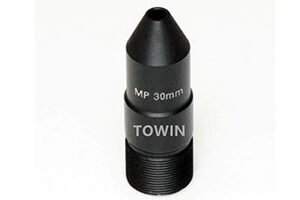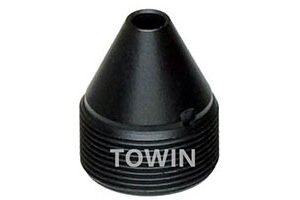


In the world of optics, the pinhole lens stands out for its simplicity and unique ability to capture images without traditional lenses. But what if you could elevate this technology by customizing its diameter to suit specific needs? Enter the custom diameter pinhole lens—a game-changer for photographers, researchers, and engineers seeking unparalleled control over image quality.
What Is a Custom Diameter Pinhole Lens?
A pinhole lens operates on a fundamental principle: light passes through a tiny aperture (the “pinhole”) to project an inverted image onto a surface. Unlike conventional lenses, which use glass elements to focus light, a pinhole relies solely on geometry. The custom diameter pinhole lens takes this a step further by allowing users to adjust the size of the aperture, optimizing performance for distinct scenarios.
The diameter of the pinhole directly impacts image sharpness, brightness, and depth of field. A smaller hole increases depth of field but reduces light intake, while a larger hole brightens the image but may soften edges. By customizing this parameter, users achieve a balance tailored to their requirements, whether for astrophotography, surveillance, or artistic projects.
Why Opt for a Custom Diameter Pinhole Lens?
1. Precision Control Over Image Quality
Traditional pinhole cameras use fixed apertures, limiting flexibility. A custom diameter pinhole lens empowers users to experiment with varying hole sizes, fine-tuning results for clarity, contrast, or creative effects. For instance, a 0.2mm aperture might suit landscape photography, while a 0.5mm hole could excel in low-light conditions.
2. Enhanced Depth of Field
Pinhole lenses inherently offer vast depth of field, keeping both foreground and background in focus. Customizing the diameter lets you amplify this effect. A smaller aperture sharpens distant objects, making it ideal for architectural shots or macro photography.
3. Cost-Effective Innovation
High-end lenses can be prohibitively expensive. A custom diameter pinhole lens provides a budget-friendly alternative without compromising on creativity. By 3D-printing or laser-cutting apertures, hobbyists and professionals alike can prototype designs affordably.
4. Unique Artistic Applications
Artists leverage pinhole lenses for their dreamy, soft-focus aesthetics. A customizable diameter adds another layer of experimentation, enabling effects like diffraction patterns or intentional blur.
How to Design a Custom Diameter Pinhole Lens
Creating a custom diameter pinhole lens involves understanding the relationship between aperture size, focal length, and light sensitivity. Here’s a simplified guide:
1. Determine Focal Length
The distance between the pinhole and the image sensor (or film) defines the focal length. Shorter focal lengths (e.g., 25mm) suit compact setups, while longer ones (100mm+) are ideal for telephoto effects.
2. Material Selection
Choose lightweight, durable materials like aluminum or brass for the aperture plate. For DIY projects, thin metal sheets or even aluminum foil can work, though precision may vary.
Fabrication Methods
- Laser Cutting: Ideal for high-precision holes.
- Drilling: Suitable for larger apertures but risks burrs.
Applications of Custom Diameter Pinhole Lenses
1. Astrophotography
Capturing faint stars requires maximizing light intake while maintaining focus. A custom diameter pinhole lens with a larger aperture (e.g., 0.8mm) can gather more light without sacrificing depth of field.
2. Surveillance Systems
Pinhole lenses are discreet, making them perfect for covert cameras. Custom diameters ensure optimal performance in varying lighting conditions, from dimly lit rooms to bright outdoor scenes.
3. Medical Imaging
Endoscopes and microscopes use pinhole lenses to reduce chromatic aberration. Custom apertures enhance resolution in minimally invasive procedures.
3. Artistic Photography
Photographers use pinhole lenses to create ethereal, timeless images. By adjusting the diameter, artists control the softness of edges, adding a signature touch to their work.
FAQs
What is the ideal pinhole diameter for a 50mm focal length?
For a 50mm focal length, a pinhole diameter of approximately 0.25mm balances sharpness and light intake.
Can a custom diameter pinhole lens replace traditional lenses?
While pinhole lenses offer unique benefits, they can’t match the versatility of glass lenses. However, they excel in niche applications like long-exposure photography or ultra-deep-field imaging.
How does aperture size affect diffraction?
Smaller apertures increase diffraction, causing light to bend around edges and soften the image. A custom diameter pinhole lens helps mitigate this by optimizing hole size for the focal length.
Are custom pinhole lenses difficult to build?
Not necessarily! With basic tools like a drill or laser cutter, hobbyists can create functional apertures. Online communities and tutorials further simplify the process.
What materials are best for pinhole apertures?
Non-reflective metals like brass or aluminum minimize internal reflections. For DIY projects, blackened metal sheets or cardboard with aluminum foil linings can suffice.
Conclusion
The custom diameter pinhole lens represents a fusion of tradition and innovation, offering unmatched control over image formation. Whether you’re a photographer seeking new creative avenues or an engineer designing cutting-edge systems, these lenses provide a cost-effective, versatile solution.