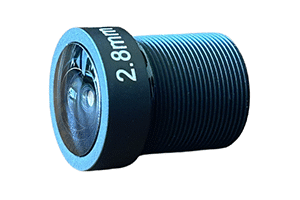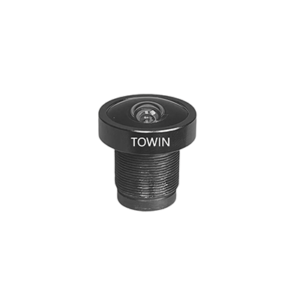


Aerial photography has revolutionized how we capture landscapes, events, and even everyday moments. But to truly elevate your drone footage, one accessory stands out: the Drone Wide Angle Lens. This powerful tool expands your drone’s field of view, allowing you to capture sweeping vistas, dramatic compositions, and immersive visuals that standard lenses simply can’t match.
Why a Drone Wide Angle Lens is a Game-Changer
Unlike narrow lenses, which focus on specific subjects, wide-angle lenses excel at showcasing vast landscapes, architectural grandeur, or crowded events. This makes them ideal for:
- Landscape photography: Capture mountains, forests, and coastlines in their full glory.
- Real estate marketing: Highlight entire properties, including surrounding amenities.
- Event coverage: Document large gatherings, sports, or concerts from above.
- Creative storytelling: Add dramatic depth and perspective to your videos.
A Drone Wide Angle Lens also reduces the need for multiple shots, saving time and battery life during flights. By minimizing distortion (when used correctly), it ensures your images remain sharp and professional-grade.
Key Features to Look for in a Drone Wide Angle Lens
Not all wide-angle lenses are created equal. When shopping for a Drone Wide Angle Lens, prioritize these features:
- 1. Field of View (FOV): Opt for lenses with at least a 100-degree FOV for expansive shots.
- 2. Compatibility: Ensure the lens fits your drone model (e.g., DJI Mavic, Phantom, or Autel Evo).
- 3. Weight: Lightweight lenses prevent strain on your drone’s motors.
- 4. Distortion Control: Look for lenses with minimal barrel distortion for cleaner edges.
- 5. Multi-element coatings: These reduce glare and improve color accuracy in bright conditions.
How to Use a Drone Wide Angle Lens Effectively
Mastering a Drone Wide Angle Lens requires practice and technique. Here’s how to get started:
- Fly higher: A higher altitude minimizes distortion and captures more of the scene.
- Use the rule of thirds: Position key elements off-center for balanced compositions.
- Experiment with angles: Tilt or rotate your drone to create dynamic perspectives.
- Avoid overexposure: Wide-angle lenses can let in more light, so adjust your camera settings accordingly.
Pro tip: Combine a Drone Wide Angle Lens with ND filters to control brightness and motion blur in bright conditions.
Common Mistakes to Avoid with a Drone Wide Angle Lens
Even the best lenses can produce subpar results if misused. Steer clear of these pitfalls:
- Overusing the lens: Not every shot needs a wide-angle view. Reserve it for scenes where context matters.
- Ignoring distortion: While modern lenses minimize it, extreme angles can still warp edges.
- Neglecting composition: Wide shots can feel cluttered if not framed thoughtfully.
- Forgetting post-processing: Use editing software to correct minor distortions or enhance colors.
Drone Wide Angle Lens vs. Standard Lens: Which is Right for You?
Choosing between a Drone Wide Angle Lens and a standard lens depends on your goals:
- Wide-angle lens: Best for landscapes, real estate, and creative shots.
- Standard lens: Ideal for portraits, close-ups, or when you need a natural perspective.
- Many drone pilots carry both lenses and switch them based on the scene.
FAQs
Do I need a special lens for my drone?
Yes, a Drone Wide Angle Lens is designed specifically for aerial use, with lightweight materials and compatible mounts.
Will a wide-angle lens improve my video quality?
Indirectly, yes. It expands your creative options, but quality also depends on your drone’s camera and your skills.
How do I clean my drone lens?
Use a microfiber cloth and lens cleaning solution. Avoid abrasive materials.
Can I use a wide-angle lens for indoor shots?
Yes, but be mindful of space constraints and lighting.
Do wide-angle lenses reduce image sharpness?
Not if you choose a high-quality lens. Cheaper models may suffer from soft edges.
How do I store my drone lens?
Keep it in a protective case to avoid scratches and dust.
Final Thoughts
A Drone Wide Angle Lens is more than just an accessory—it’s a tool that unlocks new creative possibilities. By expanding your field of view, reducing distortion, and enhancing composition, it helps you capture footage that stands out.