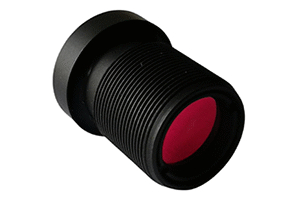


The automotive industry is evolving rapidly, with advancements in driver-assistance systems (ADAS), autonomous driving, and in-cabin monitoring. At the heart of these innovations lies a critical component: the Automotive Lens. These specialized lenses are engineered to withstand harsh conditions while delivering crystal-clear imaging, making them indispensable for safety and functionality.
Why Durability Matters in Automotive Imaging
Modern vehicles rely on cameras and sensors for everything from parking assistance to collision avoidance. A single malfunction due to lens degradation could compromise safety or lead to costly repairs. Durable Automotive Imaging Lenses are designed to resist environmental stressors like extreme temperatures, vibrations, and chemical exposure. Their robust construction ensures consistent performance over a vehicle’s lifespan, reducing maintenance needs and enhancing reliability.
Key Features of Durable Automotive Imaging Lenses
1. Advanced Material Composition
High-quality Automotive Imaging Lenses are crafted from materials like optical-grade polymers or tempered glass. These materials offer a balance of strength and optical clarity, resisting scratches, cracks, and discoloration. For example, polycarbonate lenses are lightweight yet impact-resistant, ideal for exterior-mounted cameras.
2. Weather and Temperature Resistance
Vehicles operate in diverse climates, from scorching deserts to freezing tundras. Durable Automotive Imaging Lenses undergo rigorous testing to ensure they function flawlessly between -40°C and 85°C. They also feature hydrophobic coatings to repel water, dirt, and debris, maintaining visibility in rain or snow.
3. Precision Optics for High-Resolution Imaging
Sharp, distortion-free imaging is non-negotiable for ADAS and autonomous systems. These lenses are engineered with aspherical designs to minimize aberrations, ensuring accurate object detection even in low-light conditions. Multi-layer anti-reflective coatings further enhance image quality by reducing glare.
4. Vibration and Shock Absorption
Vehicles endure constant vibrations from engines, roads, and sudden movements. Durable Automotive Imaging Lenses incorporate shock-absorbing mounts or flexible housings to stabilize the optical system, preventing misalignment or damage. This feature is critical for off-road vehicles or heavy-duty trucks.
5. Longevity and Cost Efficiency
Investing in Durable Automotive Imaging Lenses reduces long-term costs. Their extended lifespan minimizes replacements, while their reliability prevents system failures that could lead to recalls or accidents. For manufacturers, this translates to higher customer satisfaction and brand trust.
Applications of Durable Automotive Imaging Lenses
- ADAS Cameras: Lenses in forward-facing, rear-view, and surround-view cameras enable features like lane departure warnings and automatic emergency braking.
- Autonomous Driving Systems: High-resolution lenses process real-time data for navigation and obstacle detection.
- In-Cabin Monitoring: Lenses track driver alertness and passenger safety, integrating with AI-driven safety protocols.
- Night Vision Systems: Infrared-compatible lenses enhance visibility in low-light environments, improving driver awareness.
How to Choose the Right Automotive Lens Supplier
Selecting a supplier for Durable Automotive Imaging Lenses requires evaluating their expertise in automotive standards like ISO 16750 and IATF 16949. Look for providers offering customization options, such as lens coatings or focal lengths, to meet specific vehicle requirements.
FAQs
What makes an Automotive Lens durable?
Durable Automotive Imaging Lenses are built with materials like tempered glass or polycarbonate, feature weather-resistant coatings, and undergo shock testing to withstand vibrations and impacts.
How do these lenses improve vehicle safety?
By providing clear, distortion-free imaging in all conditions, they enable ADAS and autonomous systems to detect obstacles accurately, reducing accident risks.
Can Durable Automotive Imaging Lenses withstand extreme temperatures?
Yes, they are designed to operate reliably between -40°C and 85°C, making them suitable for global use.
Are these lenses cost-effective in the long run?
Absolutely. Their extended lifespan and reduced failure rates lower maintenance costs and enhance vehicle reliability.
What industries benefit from these lenses?
Beyond automotive, industries like aerospace and industrial automation use similar lenses for their ruggedness and precision.
Conclusion
Durable Automotive Imaging Lenses are the backbone of modern vehicle safety and automation. Their advanced materials, weather resistance, and precision optics ensure consistent performance in the harshest environments.