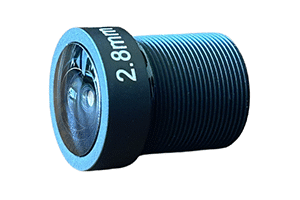


Photography and filmmaking professionals demand gear that withstands rigorous use while delivering exceptional image quality. A Durable Wide Angle Lens for Professional Use is a cornerstone of any creative toolkit, offering versatility for landscapes, architecture, and dynamic scenes.
Why Durability Matters in a Wide Angle Lens
A Durable Wide Angle Lens for Professional Use isn’t just about surviving drops or dust—it’s about maintaining performance under extreme conditions. Professionals often shoot in harsh weather, high-altitude locations, or fast-paced environments where equipment failure isn’t an option. Durability ensures consistent sharpness, minimal distortion, and reliable autofocus, even after years of heavy use.
Key durability factors include:
- Weather Sealing: Protects against moisture, dust, and temperature fluctuations.
- Build Quality: Metal alloys or reinforced plastics resist wear and tear.
- Lens Coatings: Scratch-resistant and anti-reflective coatings enhance longevity.
Top Features to Look for in a Professional Wide Angle Lens
1. Focal Length Range:
Wide angle lenses typically range from 14mm to 35mm. Shorter focal lengths (e.g., 14-24mm) excel in ultra-wide shots, while 24-35mm lenses balance versatility and distortion control.
2. Aperture Size:
A fast aperture (e.g., f/2.8) allows shooting in low light and creates shallow depth of field. However, lenses with variable apertures (e.g., f/3.5-5.6) are lighter and more affordable.
3. Autofocus Performance:
Professional lenses use silent, ultra-fast autofocus motors (e.g., USM or STM) for smooth tracking in video and crisp focus in stills.
4. Image Stabilization (IS):
Built-in IS compensates for hand shake, critical for handheld shooting in low light or with slower shutter speeds.
5. Weight and Portability:
Heavy lenses can strain gear over time. Look for lightweight yet durable materials like magnesium alloy.
How to Maintain Your Wide Angle Lens for Longevity
- Clean Regularly: Use a microfiber cloth and lens cleaning solution to remove smudges.
- Store Properly: Keep in a padded case with silica gel packs to prevent moisture buildup.
- Avoid Extreme Temperatures: Sudden changes can cause condensation or lens element damage.
- Update Firmware: For mirrorless lenses, ensure compatibility with camera body updates.
FAQs
What is the ideal aperture for a professional wide angle lens?
A fixed aperture of f/2.8 is ideal for low-light performance and creative control, but variable apertures (e.g., f/4) are lighter and more affordable.
Can I use a wide angle lens for portraits?
Yes, but distortion is more pronounced at shorter focal lengths. Use a 35mm lens or longer for flattering portraits.
Do I need image stabilization in a wide angle lens?
IS is helpful for handheld shooting but less critical than with telephoto lenses. Some pros prefer to rely on tripods for maximum sharpness.
What’s the difference between a rectilinear and fisheye wide angle lens?
Rectilinear lenses correct distortion for straight lines, while fisheye lenses embrace extreme curvature for creative effects.
Final Thoughts
A Durable Wide Angle Lens for Professional Use is an investment in creativity and reliability. By prioritizing weather sealing, build quality, and optical performance, you’ll ensure your gear delivers consistent results for years.